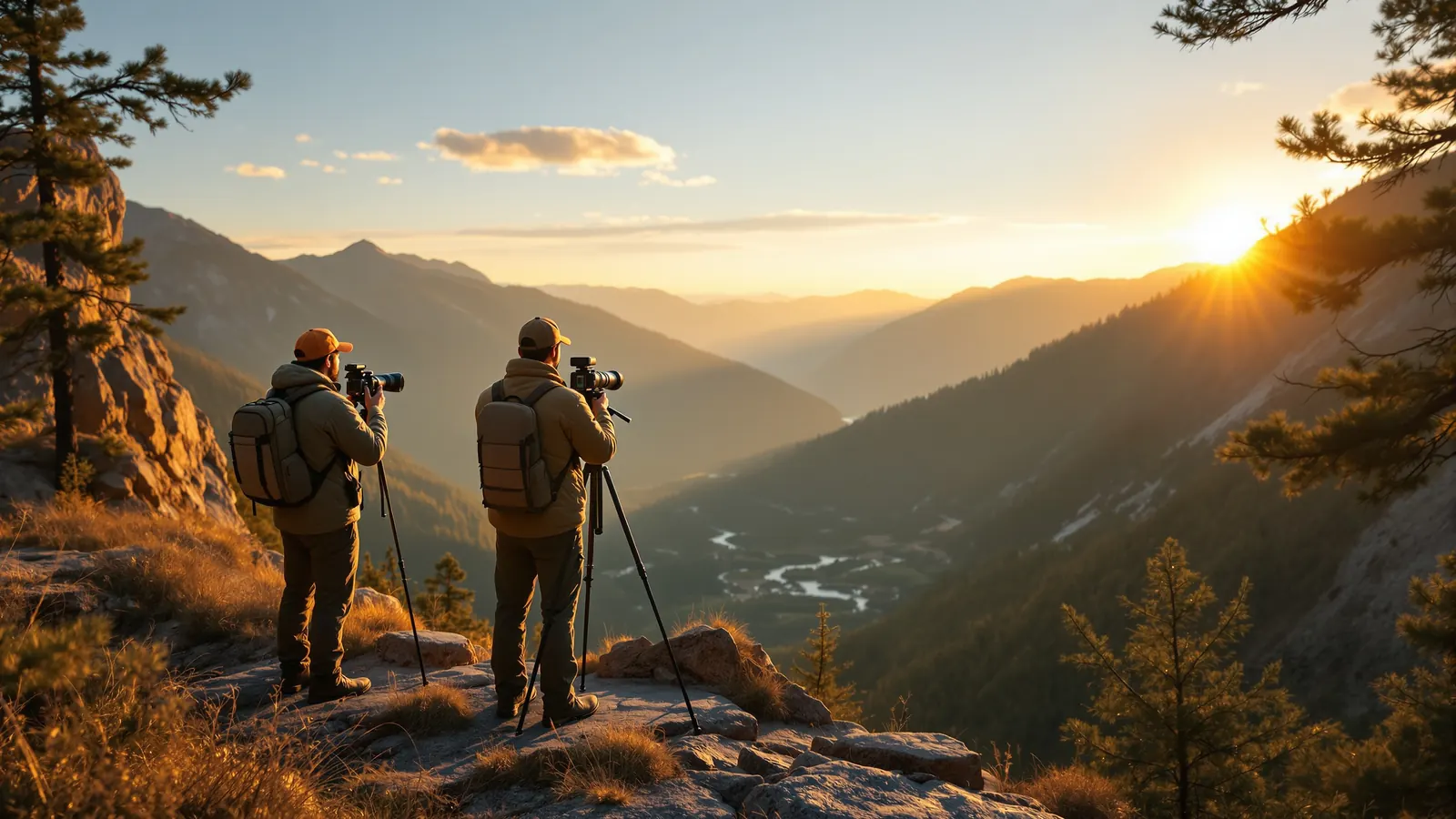
Marketing for outfitters and lodges
Hunting Marketing for Outfitters: A Year-Round Plan That Books Hunts
A complete plan for filling hunts: a clear position, hunt pages that answer every question, search and AI visibility, reviews, email, video, shows and referrals, measured by bookings.
Good hunting marketing starts with something most outfitters skip: deciding exactly which hunter you want and what you sell them. The ads, posts and booth come later. An outfit that tries to appeal to every hunter ends up with a website that says nothing specific and a phone that rings with the wrong questions.
This is the hub for our marketing guides. It lays out the whole system, in the order that tends to pay off, and links to the deeper posts on each channel.
Short answer
Effective marketing for a hunting outfitter combines a clear position by species and hunter type, a website with a page and booking button for each hunt, search and Google Business Profile visibility, steady reviews, an email list of past hunters and inquiries, honest field video, selected shows, referrals, and tracking every booking back to its source.
Start Hunting Marketing With a Position, Not a Post
A position is the one-line answer to "why would a hunter pick you?" It should be specific enough that some hunters read it and decide you are not for them. That is a good sign.
Ways outfits position themselves
- By species and method: spot-and-stalk mule deer, timber ducks, spring gobblers with a bow, hogs at night.
- By hunter type: first-time elk hunters, families with youth, corporate groups, experienced bowhunters who want access more than guiding.
- By experience: lodge comfort and meals, or a spike camp miles from the trailhead.
- By ground: private ranch access, managed property, or permitted public land.
Write the position down, then check every piece of marketing against it. The photos, the hunt names, the price, even the questions on your inquiry form should all point the same way. Inconsistent hunting marketing confuses hunters and wastes ad spend on people who will never book.
Hunt Pages That Answer Every Question
The website is the center of any hunting marketing plan, because it is where every other channel sends people, so it does the heaviest lifting. The most common mistake is one page that lists everything you offer in a paragraph.
Give each hunt its own page with:
- Dates or season windows, length, hunters per guide.
- Price and what is included and excluded: lodging, meals, licenses, processing, trophy fees.
- What a day looks like, written plainly.
- Honest expectations about opportunity and terrain, and the physical fitness the hunt needs.
- Real photos from that hunt, not stock images.
- A booking button or inquiry form right on the page.
Our guide to the outfitter website covers structure, speed and the technical side. A HuntReserve booking page lists your published hunts with photos, inclusions and price, and hunters can choose a date, party size and add-ons and see the total update before paying a deposit.
Search, Maps and AI Answers
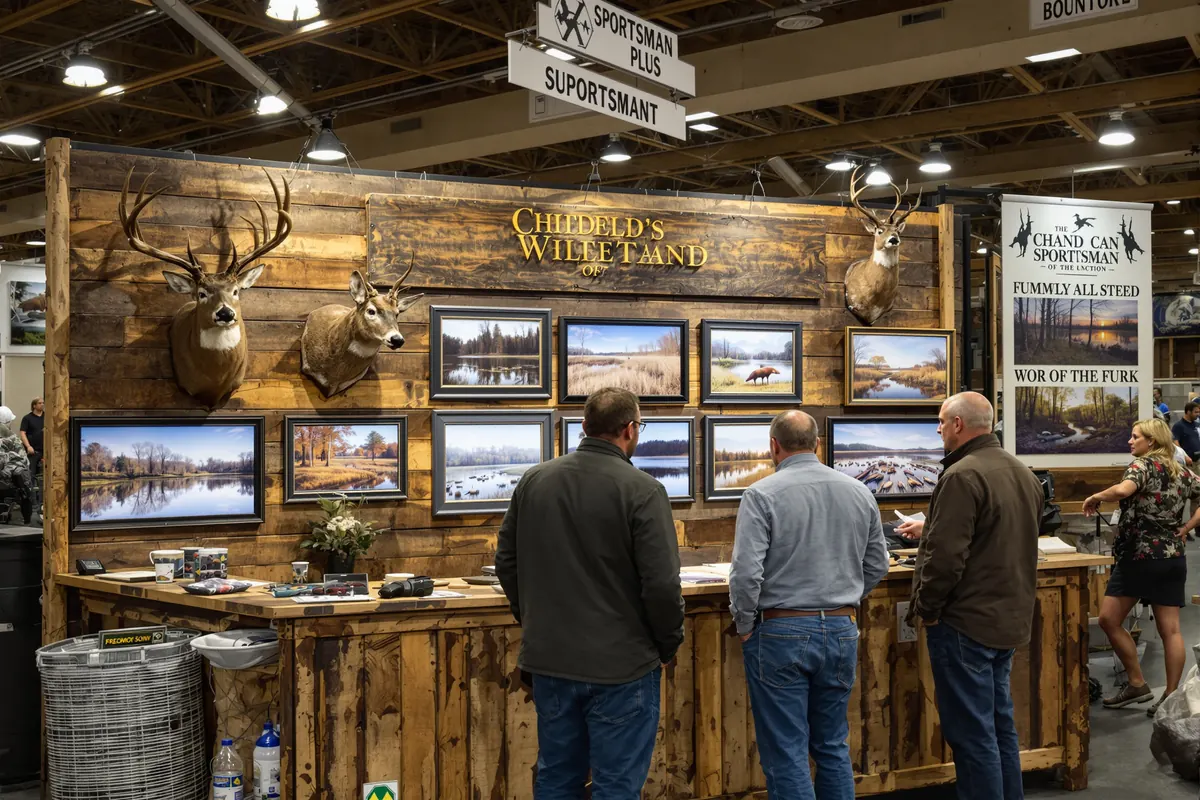
Search is where hunting marketing meets a hunter who is already planning a trip. Hunters search the way they talk: "guided elk hunt Colorado," "duck hunting lodge Arkansas," "how much is a guided turkey hunt." Your pages need to answer those searches directly.
Google's SEO starter guide keeps the basics simple: write content readers find helpful and reliable, use a title that is unique to the page and accurately describes it, keep meta descriptions short and specific, use descriptive URLs, add alt text to images, and link pages with anchor text that tells people what they will find. None of that needs tricks.
What it means for an outfit
- One page per hunt, with the species, method and state in the title and heading.
- Questions hunters actually ask, answered in plain words: licensing, travel, gear, what happens to the meat.
- Pages for the places hunters search, without inventing locations you do not serve.
- Articles that teach, linked to the hunt pages they relate to.
AI search tools pull from the same kind of clear, specific, well-organized pages. Content that answers a question in its first lines and backs it up with detail tends to be the content these tools quote.
Google Business Profile and reviews
For many hunters, the first impression of your outfit is the map panel: photos, star rating, recent reviews, hours and a website link. Keep it accurate and active.
- Choose the right primary category and as few others as needed.
- If you have no storefront, set it up as a service-area business rather than listing a fake address.
- Use seasonal hours or mark the business temporarily closed in the off-season if that fits how you operate.
- Add new photos through the season: camp, ground, dogs, guides at work, hunters with permission.
The full checklist is in Google Business Profile optimization. Reviews feed the same panel: ask every hunter, at the right moment, with a direct link, and never offer anything in return. We cover asking for reviews the right way and answering a critical review in separate posts.
Reviews are the part of hunting marketing that compounds: each one makes the next inquiry a little easier. After every hunt, HuntReserve emails the group to score the trip and add their photos, then points them toward your Google listing, so the asking happens even in the busiest week of the season.
Email: the Hunting Marketing Channel You Own
Every past hunter, every inquiry and every show contact belongs on your list. It is the one piece of hunting marketing that keeps working when ad prices rise. Unlike social platforms, nobody can change the rules on how many of them see your message.
A simple yearly rhythm
| When | What to send |
|---|---|
| Right after the season | Thank-you, photos, rebooking offer for past hunters |
| Winter | Next season's dates and openings; show schedule |
| Before draw deadlines | Reminders for hunts that depend on a state draw |
| Summer | Scouting reports, trail camera photos, habitat work |
| Weeks before opening | Last openings, what to bring, travel tips |
Segment by species and by past hunters versus new inquiries; a waterfowl hunter does not need your elk newsletter. The legal rules and deliverability basics are in email marketing for small business.
Video and Social Without Losing Your Season
Hunters want to see the ground, the camp and the people before they send a deposit. Video is the most persuasive hunting marketing format for that reason. Short, honest video does that better than anything else.
- Film the routine, not just the kill shot: the drive in before light, setting decoys, the guide glassing, camp dinner. That is what a hunter is buying.
- Get permission before posting any hunter, and respect hunters who want to stay off camera.
- Keep animals and ethics in front. Posts that would bother a non-hunter often bother good clients too.
- Batch it. One person, a phone and a few minutes a day during season is enough for months of posts.
Pro staff, sponsored hunters and freebies
If you give a discounted or free hunt to someone who will post about it, the connection needs to be disclosed. The FTC's endorsement guides FAQ says the connection to the company should be disclosed everywhere the person endorses the product, and that employees writing reviews should disclose their employment. Put that in writing with anyone you host.
Shows, Referrals and Repeat Hunters
The cheapest booking in hunting marketing is the hunter who already came. The second cheapest is the friend he brings.
Repeat hunters
Offer the same dates back to past hunters before they go public, and do it while the trip is still fresh. A rebooking offer at the end of the hunt or within days of it lands better than a newsletter in February.
Referrals
Ask directly: "Who else in your group would enjoy this?" Make it easy for a lead hunter to fill a party by sending a link where each hunter registers and pays their own share.
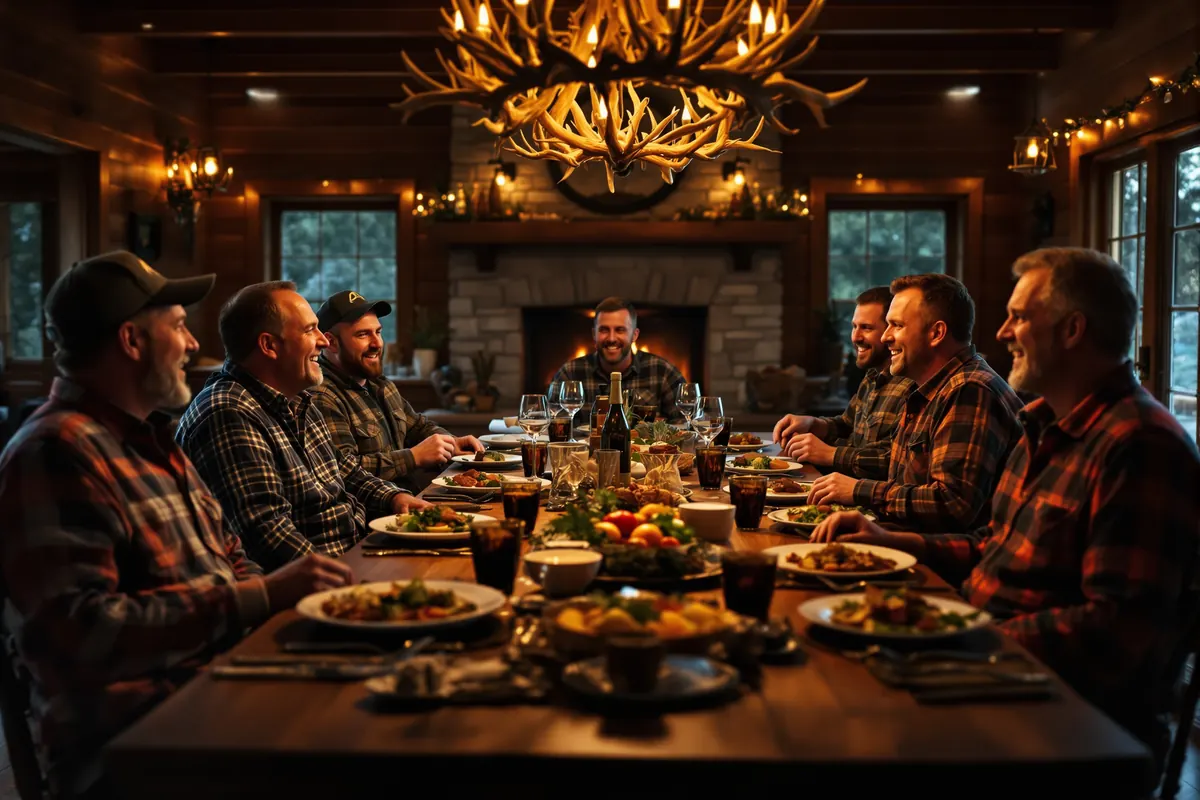
Shows and expos
Pick shows by where your hunters live and which species the crowd hunts, bring a way to capture leads on the spot, and follow up fast. Our hunting expo guide covers booth planning and taking deposits at the show.
Paid ads
Search ads work best for specific hunts with clear demand, targeted at where hunters live rather than where you hunt. See Google Ads for small business for setup and budgets.
Measuring Hunting Marketing by Bookings, Not Likes
Followers and clicks are easy to count and easy to misread, and they are where a lot of hunting marketing advice stops. What matters is which channel produced the hunters who paid.
- Record the source on every inquiry. Website form, Google profile, a show, a referral, an ad, email.
- Follow it to the booking. An inquiry that never books is a cost, not a win.
- Compare revenue by source with what each source cost in money and time.
- Look at it after each season and move effort toward what produced booked hunters.
HuntReserve tags each inquiry with where the hunter came from and drops it on the Inquiries board, so that origin stays attached from the first message through the paid deposit. That one field turns hunting marketing from guesswork into a list you can sort.
| Channel | Leading sign it is working | Proof it is working |
|---|---|---|
| Search | Hunt pages getting visits | Inquiries from the website that book |
| Google profile | Calls and direction requests | Bookings tagged to the profile |
| Opens and replies | Rebookings and filled openings | |
| Shows | Leads collected | Deposits within weeks of the show |
| Referrals | Names offered | New hunters who book |
A Season-by-Season Calendar
Hunting marketing runs on a different clock from most businesses. Hunters plan around draws, vacation days and the rut, and many book a year out. Work backward from your season.
| Period | Focus | Typical tasks |
|---|---|---|
| During the season | Capture | Photos and video daily, harvest records, review requests, rebooking offers in camp |
| Right after the season | Rebook | Past-hunter offers, thank-you emails, publish success data you can stand behind |
| Winter | Sell | Shows, new hunt pages, next year's dates live, ads for open hunts |
| Spring | Fill gaps | Draw-result follow-ups, openings email, referral asks |
| Summer | Build trust | Scouting updates, habitat work, guide introductions, FAQ updates |
| Weeks before opening | Last spots | Openings pushed to approved hunters, prep reminders |
The calendar shifts by species. A spring turkey outfit sells in winter; a September dove field fills in summer; a western elk camp may be selling two seasons ahead. Write your own version and put the tasks on someone's calendar, not just a list.
For last-minute holes, HuntReserve's Open Spots sends openings to hunters you have already approved, which is a quieter tool than discounting in public.
Mistakes That Waste a Marketing Budget
Most wasted hunting marketing money goes to the same handful of problems. They are easy to spot once you look for them.
- Sending paid traffic to the home page. A hunter who clicked an ad for a guided turkey hunt should land on the turkey hunt page, with the price and a booking button.
- Slow replies to inquiries. Hunters often contact several outfits at once. An answer the next afternoon can lose a hunt that cost real money to attract.
- Hiding prices. "Call for pricing" filters out serious hunters who want to compare, and fills your phone with people who were never going to book.
- Overpromising. Success claims you cannot document, or photos from someone else's ground, produce angry reviews that cost more than the bookings they won.
- Chasing every channel at once. A half-finished website, a dormant social page and an untracked ad all at the same time. Do fewer things properly.
- Not asking past hunters. The list of people who already hunted with you is the most valuable marketing asset an outfit has, and it is often the least used.
Fixing these usually costs less than adding a new channel, and it makes every existing channel work harder.
Who Does the Work
Most outfitters are also the head guide, the mechanic and the cook, so hunting marketing competes with everything else for time. Marketing gets done in January and forgotten by September, which is backward, since the photos and stories happen in season.
A practical rule: whoever is in camp captures, and whoever is in the office publishes. Guides take the photos and short clips and note the stories; someone with a desk and a signal turns them into hunt page updates, emails and posts the same week, while they still feel current.
Split it into what only you can do (positioning, hunt design, photos from the field, talking to hunters) and what someone else can run (website updates, search, Google profile, ads, review requests, email).
If you want that second list handled, our marketing partner, a national agency founded in 2006 that has worked with more than 1,100 businesses, runs it for outfitters. The Full Draw package at $329/mo pairs the HuntReserve platform, with zero booking fees, with our marketing team handling search rankings, visibility in AI answers, your Google listing, paid campaigns on Google and Meta, and Google Business Profile management. Ad spend is billed separately.
Read more about our marketing team, see how bookings and payments run in our software for outfitters and the complete feature set, or get started by telling us which hunts you want to fill. Charters can start with our fishing charter marketing guide.
Frequently asked questions
What is the best way to market a hunting outfitter?
There is no single channel. The outfits that book steadily have a clear position, a page for each hunt with price and a booking button, an accurate Google Business Profile with steady reviews, an email list of past hunters, and a habit of tracking which source produced each booking. Repeat hunters and referrals usually cost the least.
How do hunting outfitters get clients?
Most bookings come from a mix of search and Google Maps, past hunters returning, referrals from those hunters, shows and expos, and paid ads for specific hunts. A fast reply to every inquiry matters as much as the channel itself, since hunters often contact several outfits at once and book with the first clear answer.
Is social media worth it for hunting marketing?
It helps hunters see your ground, camp and guides before they book, which builds trust. It rarely books hunts on its own, so link posts back to hunt pages and track inquiries by source. Get permission before posting hunters, and disclose any free or discounted hunts given to people who post about you.
How much should an outfitter spend on marketing?
There is no fixed rule. Start from what a booking is worth to you and what each channel costs to produce one, then shift money toward the sources that bring paying hunters. Track inquiries and bookings by source for a full season before making big budget decisions, and keep ad spend separate from service costs.
Do outfitters need a website if they have a Facebook page?
Yes. A website lets you control how each hunt is presented, take deposits online, rank in search, and appear in AI-generated answers, none of which a social page does well. Social profiles are useful for showing camp life, but the website and booking page are where a hunter decides and pays.
Sources
Rules, fees and policies change. This guide was checked against the official sources above in October 2026. It is general information, not legal, tax or insurance advice: confirm the current details with the agency or a licensed professional before you rely on them.
Keep reading
More from the HuntReserve blog
The Outfitter Website Blueprint: Pages, Booking and Search Basics
The pages a hunting outfit's site needs, what goes on each hunt page, how booking and inquiries should work, and the speed, search and tracking basics that decide whether visitors book.
12 min read
Google Business Profile Optimization for Outfitters, Lodges and Charters
A field guide to setting up a Google profile for a hunting outfit, lodge or fishing charter, with Google's own rules on names, service areas, seasonal hours, booking links and reviews.
12 min read
Email Marketing for Small Business, Explained Through a Hunting Outfit
Where an outfitter's email list really comes from, a month-by-month sending calendar, segments by species, the CAN-SPAM basics, inbox delivery rules and how to measure email by bookings.
12 min readSpend the season in the field.
Let HuntReserve run the office.
Tell us about your outfit. We'll call you, walk you through it with your own hunts and get you set up.