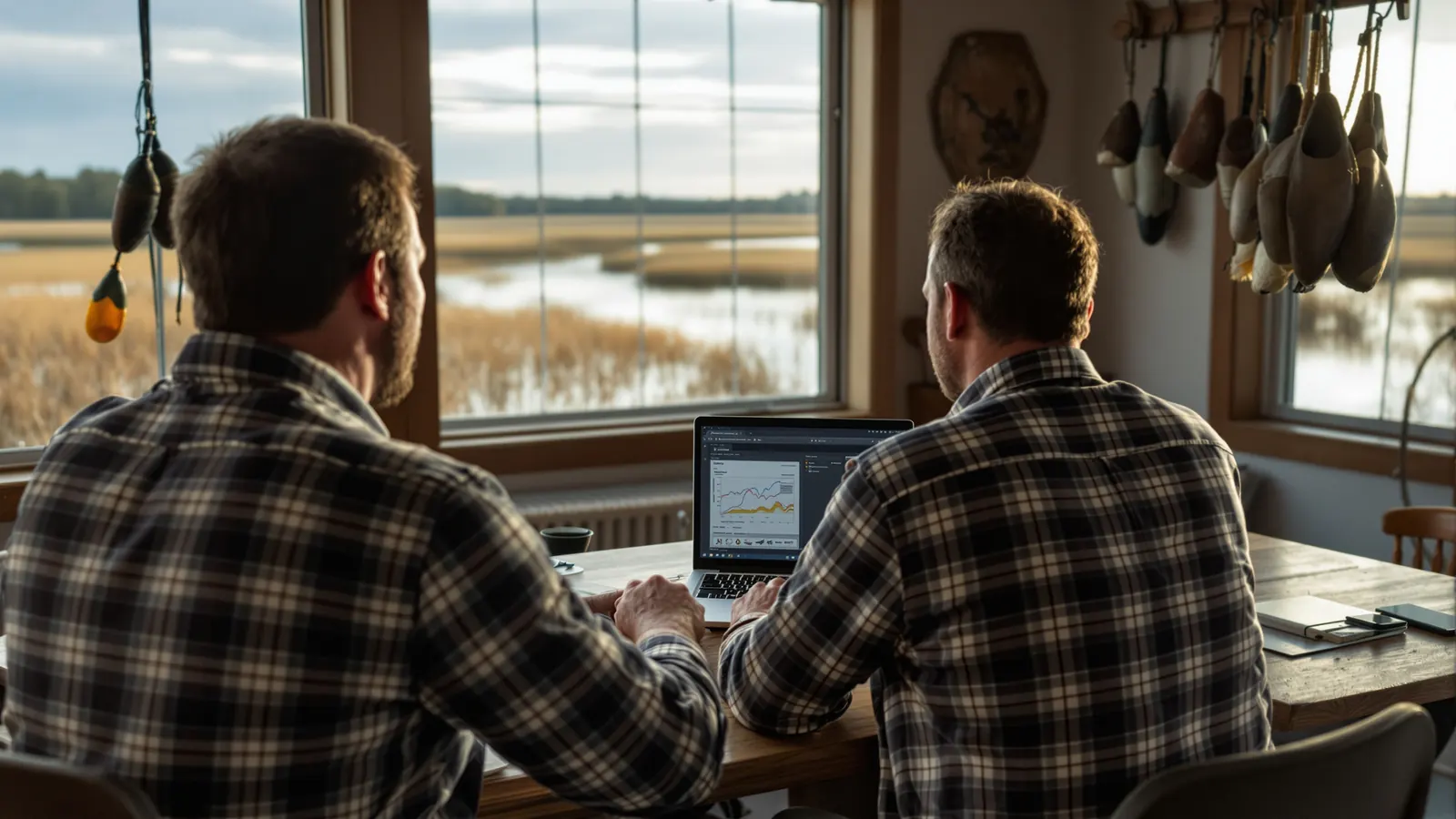
Paid search for hunts and trips
Google Ads for Small Business: A Plain Guide Using Outfitters and Charters
How paid search works for a small outfit: picking Search or Performance Max, keyword themes, targeting where clients live, negative keywords, landing pages per hunt, conversion tracking and staying inside Google's weapons policy.
Google Ads for small business can feel like a slot machine: money goes in, clicks come out, and nobody is sure which ones booked. It does not have to work that way. A small outfit with a clear offer, a tight geographic plan and proper tracking can run paid search that pays for itself, and can also tell quickly when it is not.
This guide uses hunting outfitters and fishing charters as the example throughout, because their quirks (seasonal demand, clients who travel, and a firearms policy that trips up careless ads) make the general lessons easy to see. Policies and settings below were checked on Google's own help pages today.
Short answer
For a small business, Google Ads works best as a Search campaign built on specific keywords, aimed at the places your customers live, with negative keywords to block junk clicks, a dedicated landing page for each offer and conversion tracking on inquiries and bookings. Add Performance Max only after Search is tracking reliably.
How Paid Search Actually Spends Your Money
When someone searches, Google runs an auction among advertisers whose keywords match. You are typically charged when someone clicks your ad. Your budget caps what you spend per day on average, and your bidding strategy tells Google what you want: clicks, conversions or a target cost per conversion.
Three things decide whether that spending works:
- Intent. "Guided duck hunts Arkansas" is a buyer. "Duck hunting tips" is a reader. Pay for buyers.
- Relevance. The keyword, the ad and the page it lands on should all be about the same hunt or trip.
- Measurement. If you cannot see which clicks became inquiries and deposits, you cannot tell good spend from bad.
Why small outfits have an edge
Big advertisers spend on broad terms and generic pages. A small outfit can win on specificity: a page about late season mallard hunts in one county, written by the people who guide them, matched to searches for exactly that. Relevance is something you control, and it costs nothing but effort.
You also know your numbers in a way large companies do not. You know what a booked hunt is worth, how many hunters return, and which months fill first. That knowledge is what lets you decide what a click is worth to you, rather than letting the auction decide.
The rest of this article is about getting those three right with a small budget and very little time.
Search or Performance Max: Where Google Ads for Small Business Should Start
Google offers several campaign types. Two matter most for a small outfit.
| Campaign type | What it does | Good fit when |
|---|---|---|
| Search | Shows text ads on Google search results for keywords you choose | You want control over exactly which searches trigger your ads and a clear view of search terms |
| Performance Max | Google describes it as a goal-based campaign type that can access all Google Ads inventory, including YouTube, Display, Search, Discover, Gmail and Maps | Conversion tracking is solid and you have enough conversions for automation to learn from |
Google's own Performance Max help page recommends using it to complement keyword-based Search campaigns, and notes that when a search matches an exact match keyword in a Search campaign, the Search campaign is served first.
For a small outfit, start with Search. It is easier to understand, it shows you the actual searches you paid for, and it forces you to decide what you sell. Performance Max can come later, once you trust your tracking, because it optimizes toward whatever you tell it is a conversion. If that signal is wrong, it will happily spend money chasing the wrong thing.
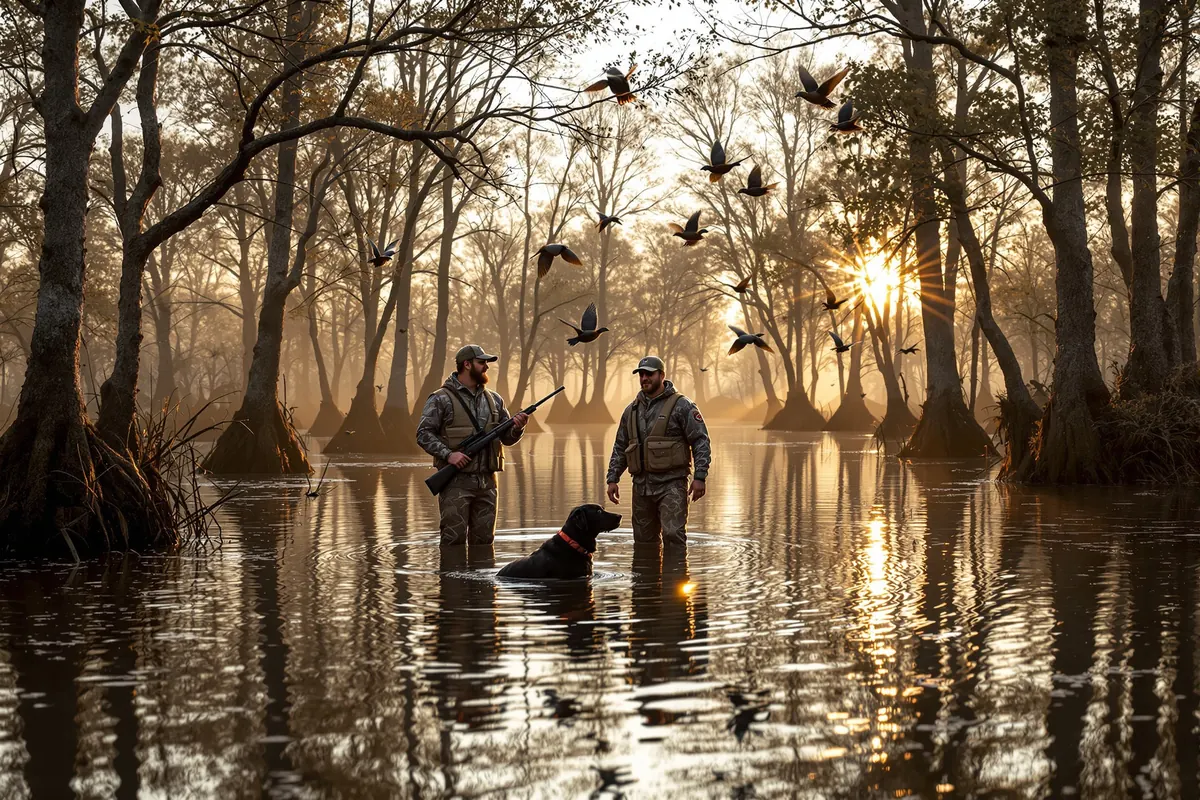
Building Keyword Themes Around Hunts and Trips
Group keywords by what you sell, not by single words. Each group becomes an ad group with its own ads and its own landing page.
Example themes for a waterfowl outfit
- Guided duck hunts in your state: guided duck hunts arkansas, arkansas duck hunting guide, duck hunting outfitter arkansas
- Specific hunt types: flooded timber duck hunts, rice field duck hunts
- Goose hunts: guided snow goose hunts, spring snow goose hunting guide
- Lodging packages: duck hunting lodge arkansas, duck hunt with lodging
Example themes for a charter
- Port plus trip: destin fishing charter, destin offshore fishing trip
- Trip length: half day fishing charter destin, full day deep sea fishing destin
- Species: red snapper charter destin, inshore fishing guide destin
Use phrase and exact match for your core themes so you stay close to buyer intent. Look at the search terms report every week in season; it shows the real searches behind your clicks, and it is where most waste hides.
Target Where Clients Live, Not Only Where You Hunt
This is the biggest difference between an outfitter and a plumber. A plumber's customers are local. A duck outfitter in eastern Arkansas may book most of its hunters from cities several states away. If you only target the county where you hunt, you miss the people planning the trip.
Google's location targeting settings offer two main options for the places you target:
- Presence or interest (the default and the option Google recommends): reaches people who are in or regularly in your targeted locations, plus people who have shown interest in them.
- Presence: reaches only people who are in or regularly in your targeted locations.
A practical setup
- Pull a list of where your past clients live from your booking records.
- Target those metro areas and states directly with Presence, using keywords that include your hunting area or state.
- Consider a second campaign around your hunting area, so travelers already researching the region can find you.
- Exclude places that never book; Google notes that exclusions use Presence.
Splitting campaigns this way lets you see which geography produces bookings and set budgets accordingly.
Negative Keywords Save the Budget
Negative keywords stop your ads from showing on searches you do not want. In outdoor businesses the list is long, because plenty of people search hunting and fishing terms with no intention of booking a guide.
| Negative theme | Examples | Why |
|---|---|---|
| Jobs | jobs, hiring, career, salary | People looking to work as guides, not hire one |
| Free and DIY | free, public land, diy, how to | Self-guided hunters and researchers |
| Gear and guns | shotgun, ammo, decoys for sale, rod, reel | Shoppers, and terms you should not advertise against anyway |
| Licenses and regulations | license, season dates, limits, regulations | Usually looking for the state agency |
| Wrong species or places | species and states you do not offer | Wasted clicks |
| Other businesses' names | names of other outfitters or charters in your area | Searchers looking for a specific operator usually want that operator |
Build the list before launch, then add to it every week from the search terms report. On a small budget, this one habit often matters more than any bid strategy.
Writing Ads That Earn the Right Click
Search ads are short, so every line has to do work. Google's responsive search ads let you supply several headlines and descriptions, and the system tests combinations. Give it options that are specific and true.
Headline ideas that qualify buyers
- The hunt and the place: "Guided Flooded Timber Duck Hunts"
- What is included: "Lodging, Meals and Bird Cleaning Included"
- Who it is for: "Groups of 2 to 6 Hunters" or "Family Friendly Half-Day Trips"
- A clear next step: "Check Open Dates and Book Online"
Avoid vague claims like "best hunting in the South." They waste characters and can attract the wrong click. Publishing a price or "from" price on the landing page also filters out people who were never going to book at your level, which saves money before the click turns into a long phone call.
Assets that add useful detail
Ad assets (formerly called extensions) add extra lines to your ad: links to specific hunt pages, short callouts such as "Licensed Guides" or "Dog Work Included," and a call button. They make the ad larger and more useful to the searcher. Only use claims you can back up; if you are not licensed in a state that licenses guides, do not say you are.
Google's Weapons Policy and Hunting Ads
Hunting businesses need to understand Google's firearms rules before they write a single ad. Google's policy on guns, gun parts and related products does not allow ads for functional devices that appear to discharge a projectile at high velocity. Its examples of prohibited guns include handguns, rifles, shotguns and hunting guns, and its examples of prohibited parts and accessories include ammunition, ammunition clips, silencers, stocks and conversion kits. Google also says it may err on the side of caution with sporting or recreational guns. Ads for safety items such as gun locks and trigger locks are allowed.
That policy page does not address guided hunts specifically. A guided hunt is a service, not a gun, but your ads and landing pages should make that obvious. Practical steps:
- Sell the experience: the hunt, the guide, the lodge, the birds. Leave firearm and ammunition sales out of the ad text.
- Do not promote gun rentals or ammunition in ads or ad assets, even if they are part of a package. Mention them on the hunt page as details, if at all.
- Choose images of hunters, dogs, birds, blinds and landscapes rather than close-ups of firearms.
- If an ad is disapproved, read the reason, fix the ad or page, and request a review or contact Google Ads support.
Policies are updated, so reread the current page before each season. Fishing charters face fewer of these issues, which is one reason charter ads often launch with less friction.
Landing Pages and Conversion Tracking for Google Ads for Small Business
Sending every click to your home page wastes money. Each keyword theme should land on a page about that exact hunt or trip: the price or price range you publish, what is included, dates, photos, reviews and a clear way to book or inquire. Our guide to building an outfitter website covers what those pages need.
What to count as a conversion
- Inquiry submitted from your inquiry form
- Booking with deposit paid, the most valuable action
- Phone calls from ads or from tapping your number on the site
Set the deposit as your primary conversion once you have enough of them, and keep inquiries as a secondary signal. Then check conversions in Google Ads against your actual bookings every month. If the numbers disagree badly, fix tracking before you change bids or budgets.
HuntReserve gives each outfitter a booking page with a Book button or embed for your own site, plus inquiry forms that record the source of each lead on the Inquiries board. That makes it easier to see which inquiries came from paid search and which came from referrals, shows or your Google Business Profile. The full list of tools is on our features page.
A Weekly Routine for Google Ads for Small Business Owners
Small accounts do not need daily fiddling. They need a short, regular check during the months that matter. Block half an hour on the same day each week and work through the same steps.
- Search terms. Read the searches that triggered your ads. Add negatives for anything irrelevant; add strong new phrases as keywords.
- Conversions. Compare inquiries and deposits recorded in Google Ads against what actually arrived in your booking system that week.
- Spend by campaign. Pause or trim anything that spent meaningfully with no inquiries over several weeks.
- Availability. If a hunt or date range sold out, pause that ad group so you stop paying for clicks you cannot serve.
- Landing pages. Click your own ads on your phone. Make sure pages load, prices are current and the Book button works.
- Notes. Write down what you changed and why, so next season's decisions are based on records rather than memory.
That last step is what turns Google Ads for small business into a system instead of a guess. After one season you will know which keyword themes, which cities and which hunts produced bookings, and next year's budget can follow the evidence.
Budget, Seasonality and When to Get Help
Outdoor businesses are seasonal, and Google Ads for small business budgets should be too. Hunters often research and book months before the season; anglers may book days before a trip. Watch when inquiries arrive in your own records and spend when people are planning, not only when you are busy.
- Pre-season: the main push for hunt bookings and deposits.
- In season: fill cancellations and last-minute dates; pause themes that are sold out.
- Off season: keep a small presence for next year's early planners, or pause.
Set a budget you could lose entirely while you learn, then judge it by cost per booked hunt or trip, not by clicks. If a campaign cannot produce bookings at a cost your margins allow after a fair test, change the keywords, the geography or the landing page before adding money.
Doing it yourself or handing it off
Running Google Ads for small business well takes a few hours a week in season. Some owners enjoy it; others would rather be scouting. HuntReserve's Full Draw package at $329/mo includes a national marketing team handling SEO, AI search, Google Business Profile, Google and Meta ads, with ad spend paid separately. You can read more about our marketing team, see how our outfitter software ties bookings to marketing, or get started when you are ready. For the bigger picture beyond ads, see our hunting marketing guide.
Frequently asked questions
Is Google Ads worth it for a small business?
It can be, when ads target buyer searches, run in the right places, land on specific pages and track real conversions such as inquiries and deposits. It is rarely worth it when ads point to a home page with no tracking. Judge results by cost per booking over a fair test period, not by clicks or impressions.
Can hunting outfitters run Google Ads?
Yes, many do, but Google's policy on guns, gun parts and related products prohibits ads for guns, ammunition and many accessories. Keep ads focused on the guided hunt, lodging and experience, avoid promoting firearms or ammunition, and use images of hunters, dogs and landscapes. If an ad is disapproved, fix the issue and request a review.
Should a small business use Performance Max or Search?
Most small businesses should start with Search, because it shows exactly which searches triggered ads and gives tighter control. Google recommends Performance Max to complement Search campaigns. It works best after conversion tracking is reliable, because it optimizes toward whatever you define as a conversion across many Google channels.
How should an outfitter set location targeting?
Target where clients live as well as where you hunt. Pull home locations from past bookings, target those areas with keywords that include your hunting region, and consider a separate campaign around your area for travelers already researching it. Google's Presence option limits ads to people located in those areas; Presence or interest also includes people interested in them.
What are negative keywords?
They are words or phrases that stop your ad from showing on searches you do not want. For outfitters, common negatives cover jobs, free or public land, gear and guns, licenses and regulations, and species or places you do not offer. Build a list before launch and add to it every week from the search terms report.
Sources
- Google Ads policy: Guns, gun parts, and related products
- Google Ads Help: Location targeting options
- Google Ads Help: About Performance Max campaigns
Rules, fees and policies change. This guide was checked against the official sources above in October 2026. It is general information, not legal, tax or insurance advice: confirm the current details with the agency or a licensed professional before you rely on them.
Keep reading
More from the HuntReserve blog
Hunting Marketing for Outfitters: A Year-Round Plan That Books Hunts
A complete plan for filling hunts: a clear position, hunt pages that answer every question, search and AI visibility, reviews, email, video, shows and referrals, measured by bookings.
12 min read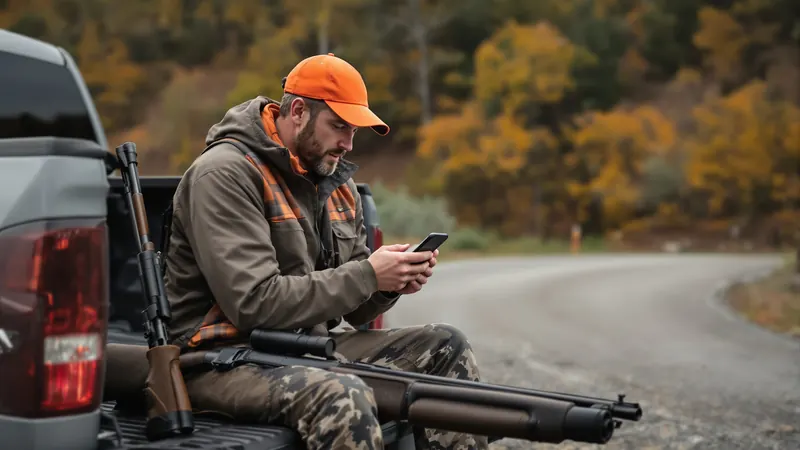
The Outfitter Website Blueprint: Pages, Booking and Search Basics
The pages a hunting outfit's site needs, what goes on each hunt page, how booking and inquiries should work, and the speed, search and tracking basics that decide whether visitors book.
12 min read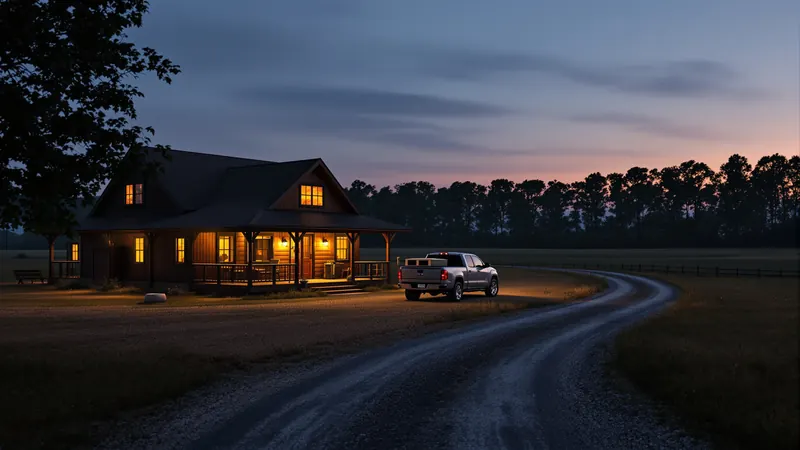
Google Business Profile Optimization for Outfitters, Lodges and Charters
A field guide to setting up a Google profile for a hunting outfit, lodge or fishing charter, with Google's own rules on names, service areas, seasonal hours, booking links and reviews.
12 min readSpend the season in the field.
Let HuntReserve run the office.
Tell us about your outfit. We'll call you, walk you through it with your own hunts and get you set up.