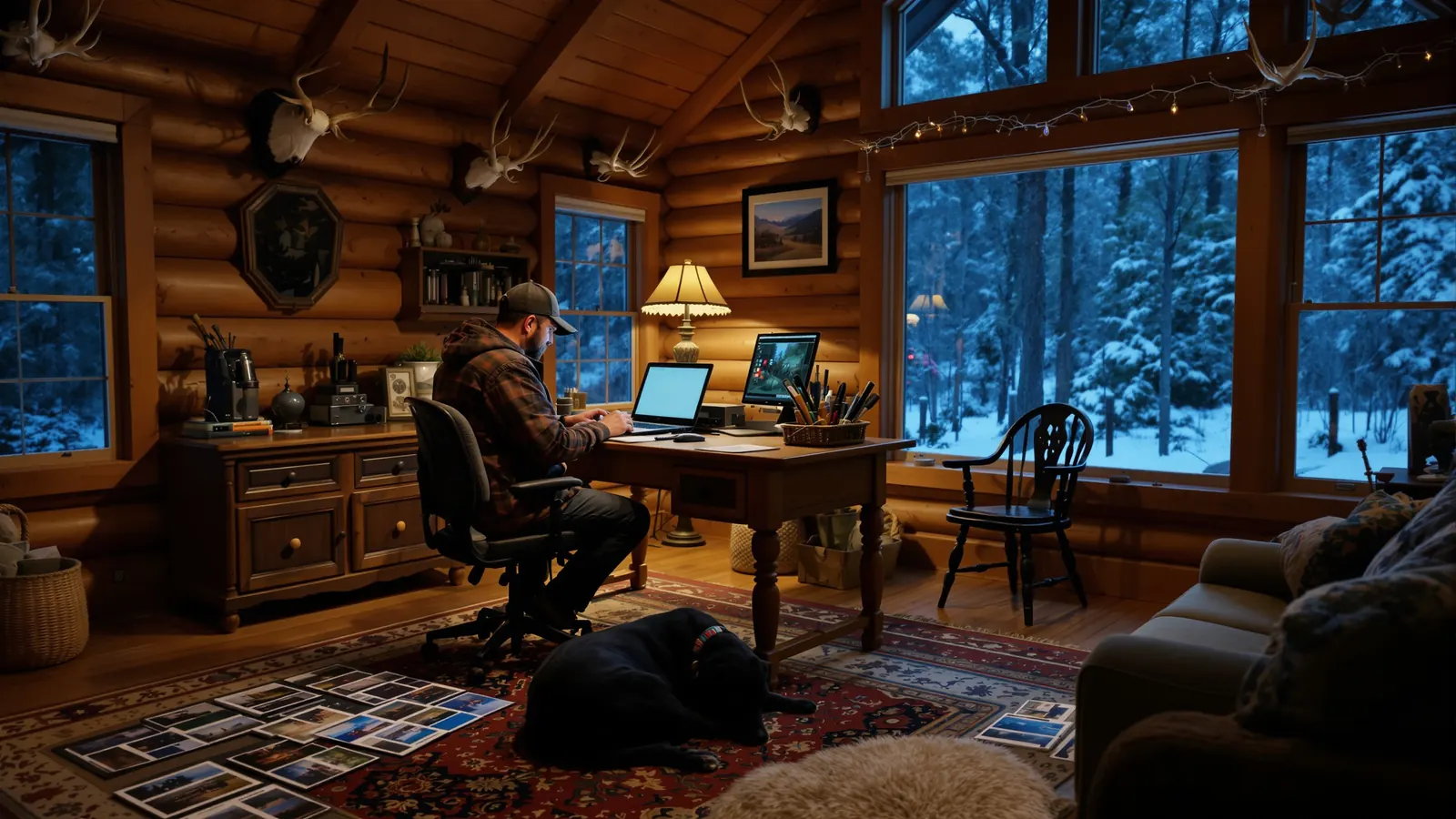
Turn past hunters into next season's bookings
Email Marketing for Small Business, Explained Through a Hunting Outfit
Where an outfitter's email list really comes from, a month-by-month sending calendar, segments by species, the CAN-SPAM basics, inbox delivery rules and how to measure email by bookings.
Email marketing for small business works best when the business sells something people plan for months ahead, buy again and talk about with friends. A guided hunt or a fishing charter fits that description almost perfectly. Hunters plan around seasons, draws and vacation days, and the best outfits fill a big share of their calendar with people who have hunted with them before.
This guide uses an outfit as the running example, from a duck camp to a western elk operation, but the steps apply to any small service business: build the list, send on a calendar that follows the buying season, segment it, stay legal, reach the inbox and measure what actually turns into bookings.
Short answer
Start with the customers and inquiries you already have, ask permission at every sign-up point, and send a small number of useful emails timed to when people decide to buy. Segment by interest, follow the CAN-SPAM rules, authenticate your sending domain, and judge results by bookings and revenue rather than opens alone.
Why email earns its place in a small outfit
Social media reach comes and goes, and paid ads stop the day the budget stops. An email list is an audience you keep. For a seasonal business, that matters for a few reasons.
- Buying cycles are long. A hunter may inquire in March, think about it through summer and book in August. Email keeps you in the conversation without a phone call every month.
- Repeat customers are the cheapest bookings. Someone who hunted with you, liked the guide and ate well at the lodge already trusts you.
- Openings appear suddenly. A cancellation two weeks before opening day is easier to fill when you can reach people who already know your hunts.
- Stories travel. A season recap with photos gets forwarded to hunting buddies who have never heard of you.
Email is one channel inside a bigger plan. For the full picture, see our hunting marketing guide; charter captains can read the companion post on fishing charter marketing.
Building the list from places you already touch
Most outfits already have the start of a good list; it is just scattered across a booking system, an inbox, a notebook from the last sportsman's show and a guide's phone. Gather it in one place and keep adding at every point of contact.
Where addresses come from
- Past hunters. Everyone who booked, including every hunter in the party, not only the person who paid.
- Inquiries. People who asked about a hunt but did not book are often the most valuable group to follow up with.
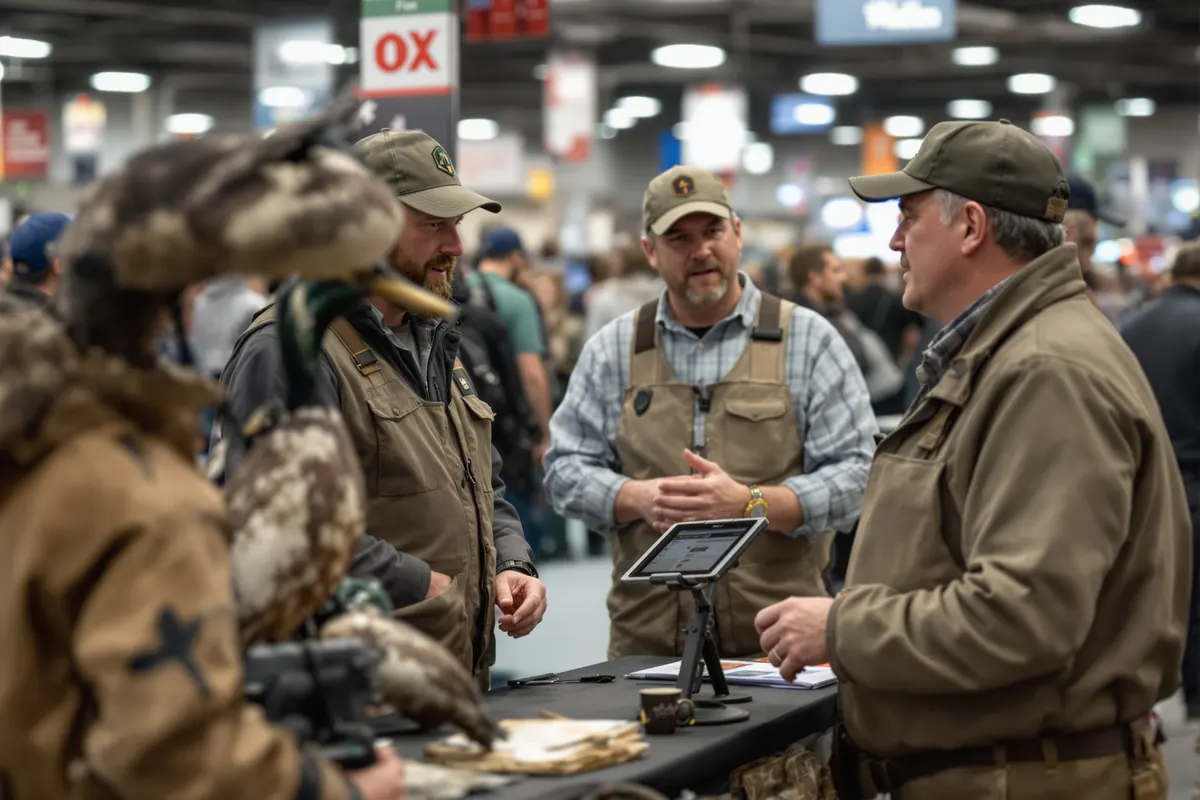
- Shows and expos. A sign-up sheet or tablet at the booth, with a clear line about what you will send. Our post on the hunting expo covers booth follow-up.
- Your website. A short form offering season updates or last-minute openings.
- Waitlists. Hunters who wanted a sold-out date are warm leads for the next one.
- Referrals. Ask past hunters to forward your season recap to friends who might want to come.
Ask in plain words
At every sign-up point, say exactly what people will get: "Season updates, open dates and last-minute spots, about once a month." Clear expectations at sign-up lead to fewer unsubscribes later, and they make the list more useful because the people on it actually want to hear about your hunts. If you run more than one kind of trip, let people tick what interests them (ducks, deer, turkey, inshore fishing) so segmenting starts on day one.
What not to do
Do not buy lists or scrape addresses from forums. Strangers mark unwanted mail as spam, and as the deliverability section below explains, spam complaints hurt your ability to reach the people who do want to hear from you.
Segment by what people hunt and where they live
A turkey hunter from Georgia and a waterfowler from Minnesota should not get the same email. Segments let you send fewer, more relevant messages. Keep the fields simple so you actually maintain them.
| Segment | Why it matters | Example message |
|---|---|---|
| Species or hunt type | Interest drives opens and bookings | Early teal dates opened for past duck hunters |
| Past guests vs prospects | Past guests need less convincing | Rebooking window for last year's elk hunters before public release |
| Party leaders | One person often books for the group | Group dates for four to six hunters |
| Home state or region | Travel distance changes timing and length of trip | Long-weekend packages for drive-in hunters |
| Families and youth | Youth seasons and mentored hunts have their own calendar | Youth weekend openings with a parent along |
| Members and lease holders | Club and season pass holders need dues and rule updates, not sales emails | Dues reminder and work-day schedule |
Start with two or three segments. Email marketing for small business rarely fails because of too few segments; it fails because nobody keeps the data current.
A twelve-month sending calendar
Seasonal businesses should send when customers are deciding, not when the owner finally has free time. Here is a sample rhythm for a fall-focused outfit. Shift it to your own seasons, and remind hunters to check their state wildlife agency for actual draw and season dates rather than quoting dates you have not confirmed.
| Month | Main email | Goal |
|---|---|---|
| January | Season recap with photos and harvest highlights | Remind past guests what they enjoyed |
| February | Next season dates released to past guests first | Rebook before the public |
| March | Draw season reminder for western hunts | Help hunters plan applications around your hunts |
| April | Spring turkey or bear field report | Stay visible in the off season |
| May | Open dates by hunt type | Fill remaining fall slots |
| June | Property improvements, new blinds, food plots | Give a reason to come back |
| July | Group and corporate hunt options | Reach party leaders |
| August | What to bring and license reminders for booked guests | Fewer problems on arrival |
| September | Opening week report | Show conditions and build excitement |
| October | Last spots and weather windows | Fill gaps fast |
| November | Mid-season field notes | Encourage late-season bookings |
| December | Gift hunts for the holidays | Sell next year early |
Twelve marketing emails a year, plus booking-related messages, is plenty for most outfits, and it is a rhythm that suits email marketing for small business in almost any seasonal trade. Consistency matters more than volume.
Seven emails worth writing once and reusing
Some messages repeat every season. Write them well once, then update details each year.
- Welcome. Sent when someone joins the list: who you are, what you hunt, what they will receive and how often.
- Inquiry follow-up. A personal reply within a day, then a short follow-up a week later with photos and open dates.
- Booking confirmation. Dates, party, amounts, balance due and cancellation terms.
- What to bring. Clothing, licenses and permits, firearms or bows, and directions with the last spot that has cell signal.
- Last-spot alert. A short note when a cancellation opens a date, sent to people who fit that hunt.
- Thank you and review request. After the hunt, thank the hunter, share a photo and ask for an honest review. Our guide on getting more Google reviews covers timing.
- Rebook offer. A few weeks later, invite them back for the same dates next season.
Write like a guide talking at the truck: short sentences, specific details, one clear next step. A photo of a limit of greenheads at sunrise says more than a paragraph of adjectives.
Email marketing for small business and the CAN-SPAM rules
In the United States, commercial email is governed by the CAN-SPAM Act. The FTC's CAN-SPAM compliance guide for business makes clear the law covers all commercial messages, not only bulk email, and makes no exception for business-to-business email. Its main requirements:
- Do not use false or misleading header information; the routing must identify who sent the message.
- Do not use deceptive subject lines; the subject must reflect the content.
- Identify the message as an ad, clearly and conspicuously.
- Include your valid physical postal address.
- Tell recipients how to opt out, and make sure the opt-out works for at least 30 days after you send.
- Honor opt-out requests within 10 business days, without charging a fee, and do not sell or transfer opted-out addresses.
- Monitor anyone sending on your behalf; you cannot contract away your responsibility.
The stakes are real: the FTC says each separate email in violation is subject to penalties of up to $53,088. The guide also explains how transactional and relationship messages, such as booking confirmations, are treated and how mixed messages are judged by their primary purpose. This is general information; confirm specifics with an attorney.
Getting into the inbox instead of the spam folder
A legal email still has to arrive. Mailbox providers decide where your message lands, and Google publishes its rules in the email sender guidelines.
- Authenticate your domain. Google requires all senders to set up SPF or DKIM. Senders of more than 5,000 messages a day to Gmail accounts must set up SPF, DKIM and DMARC.
- Keep complaints low. Google asks all senders to keep spam rates reported in Postmaster Tools below 0.3%, and recommends staying below 0.10%.
- Make leaving easy. Bulk senders must support one-click unsubscribe for marketing messages. Even if you are small, an obvious unsubscribe link reduces spam complaints.
- Send from your own domain. A business address on your website's domain, set up properly, carries more trust than a free mailbox.
- Clean the list. Remove addresses that bounce and people who have not opened anything in a long while.
- Be consistent. A list that hears from you monthly reacts better than one that gets six emails in a week after a year of silence.
Most small outfits will never approach Google's bulk threshold, but following the bulk rules anyway is good practice.
Measuring email marketing for small business by bookings
Open and click rates are useful signals, but they are not the goal. The question that matters is whether email produced hunts.
- Track the source of every inquiry and booking. When someone books, record whether they came from an email, the website, a show, a referral or a search.
- Use a distinct link per campaign. Point the last-spot email to the specific hunt page so you can see which message drove the visit.
- Compare against the calendar. Did the February rebook email fill dates faster than last year?
- Count revenue per send. One email that fills two blind days may be worth more than a month of social posts.
- Watch unsubscribes and complaints. A spike after a particular message tells you what not to send again.
Done this way, email marketing for small business becomes a predictable part of the booking plan instead of something sent when there is time.
A one-hour monthly routine for a busy owner
Most outfitters are guides, mechanics, cooks and bookkeepers before they are marketers. The plan above only works if it fits into a real month, so here is a stripped-down routine that does.
- Ten minutes: pick the one message. Look at the calendar table and choose this month's email. One topic, one call to action.
- Ten minutes: choose the photo. Ask guides to send their best shots from the week. A single strong image from the field beats a gallery.
- Twenty minutes: write it. Three short paragraphs in your own voice: what happened, what is coming, what to do next. Read it aloud once.
- Ten minutes: pick the segment and send. Send to the people it fits, not the whole list by default.
- Ten minutes: check last month. Note inquiries and bookings that came from last month's email, and any unsubscribes.
That is the whole job for most small operations. Email marketing for small business does not need daily attention; it needs a habit that survives opening week. If a month gets away from you, send the next one on schedule rather than doubling up.
When to bring in help
If the list is growing, you run several hunt types and you are still writing every email at midnight, it may be time to hand the writing and scheduling to someone else. Keep the field photos and the voice coming from camp, because that is what readers want.
Where HuntReserve and its marketing team fit
HuntReserve covers the booking-side messages and the data your marketing depends on. Inquiry forms land on an Inquiries board with hunt, dates, party size and source, so you can see which channels produce real leads. Automatic emails and texts handle balance reminders, missing paperwork, what to bring and the day-before note. The waitlist offers a cancelled spot to the next hunter with a 24-hour claim link, Open Spots pushes last-minute openings to approved hunters, and post-hunt review requests invite guests to rate the hunt, upload photos and review you on Google.
For the wider marketing plan, our marketing partner, a national agency founded in 2006 that has served more than 1,100 businesses, handles SEO, AI search, Google Business Profile, Google and Meta ads and review generation. That team is included in the Full Draw package at $329/mo; ad spend is separate.
See every tool on our features page or the main hunting outfitter software overview, and get started when you are ready.
Frequently asked questions
How often should a small outfit send marketing emails?
For most seasonal outfits, about once a month works well, with extra messages only for real news such as a last-minute opening. Booking confirmations and reminders are separate. Watch unsubscribes and complaints; if they rise after a busier stretch, slow down. Consistent, useful emails beat frequent ones.
Does CAN-SPAM apply to a business with a small list?
Yes. The FTC says the law covers all commercial messages, not only bulk email, and makes no exception for business-to-business email. A single promotional email to past customers still needs an accurate subject line, your physical address and a working opt-out. Confirm details with an attorney if you are unsure.
Can a business email past customers who never subscribed?
The FTC guide centers on honest headers and subject lines, your postal address and a working opt-out; ask an attorney about your specific list. Either way, mail people do not expect drives spam complaints that hurt delivery. The safest habit is to ask permission at booking and at every sign-up point, and to make leaving easy.
What should be in a hunting outfitter's first email to a new subscriber?
Say who you are, what hunts or trips you run and where, what kind of emails they will receive and how often, and one helpful next step such as viewing open dates. A strong photo from the field helps. Keep it short, and include your postal address and an unsubscribe link.
Why are emails landing in spam?
Common causes are missing domain authentication, high spam complaint rates, sending to old or purchased lists and sudden bursts after long silence. Google requires all senders to set up SPF or DKIM and to keep reported spam rates low. Authenticate your domain, clean the list and send on a steady schedule.
Sources
- FTC: CAN-SPAM Act, A Compliance Guide for Business
- Google Workspace Admin Help: Email sender guidelines
Rules, fees and policies change. This guide was checked against the official sources above in October 2026. It is general information, not legal, tax or insurance advice: confirm the current details with the agency or a licensed professional before you rely on them.
Keep reading
More from the HuntReserve blog

Hunting Marketing for Outfitters: A Year-Round Plan That Books Hunts
A complete plan for filling hunts: a clear position, hunt pages that answer every question, search and AI visibility, reviews, email, video, shows and referrals, measured by bookings.
12 min read
Hunting Expo Playbook: How Outfitters Turn a Booth Into Booked Hunts
A working plan for outfitters at sportsman shows: which shows fit, what to budget, booth setup, capturing every lead, taking deposits on the floor, fast follow-up and measuring what the weekend returned.
13 min read
Fishing Charter Marketing: How Captains Fill the Boat From Search to Rebooking
From the angler who searches the port name on the drive down to the family that rebooks every summer, here is how a charter gets found, chosen and booked again.
12 min readSpend the season in the field.
Let HuntReserve run the office.
Tell us about your outfit. We'll call you, walk you through it with your own hunts and get you set up.