Home / Blog / Fishing charters
Marketing for charter captains
Fishing Charter Marketing: How Captains Fill the Boat From Search to Rebooking
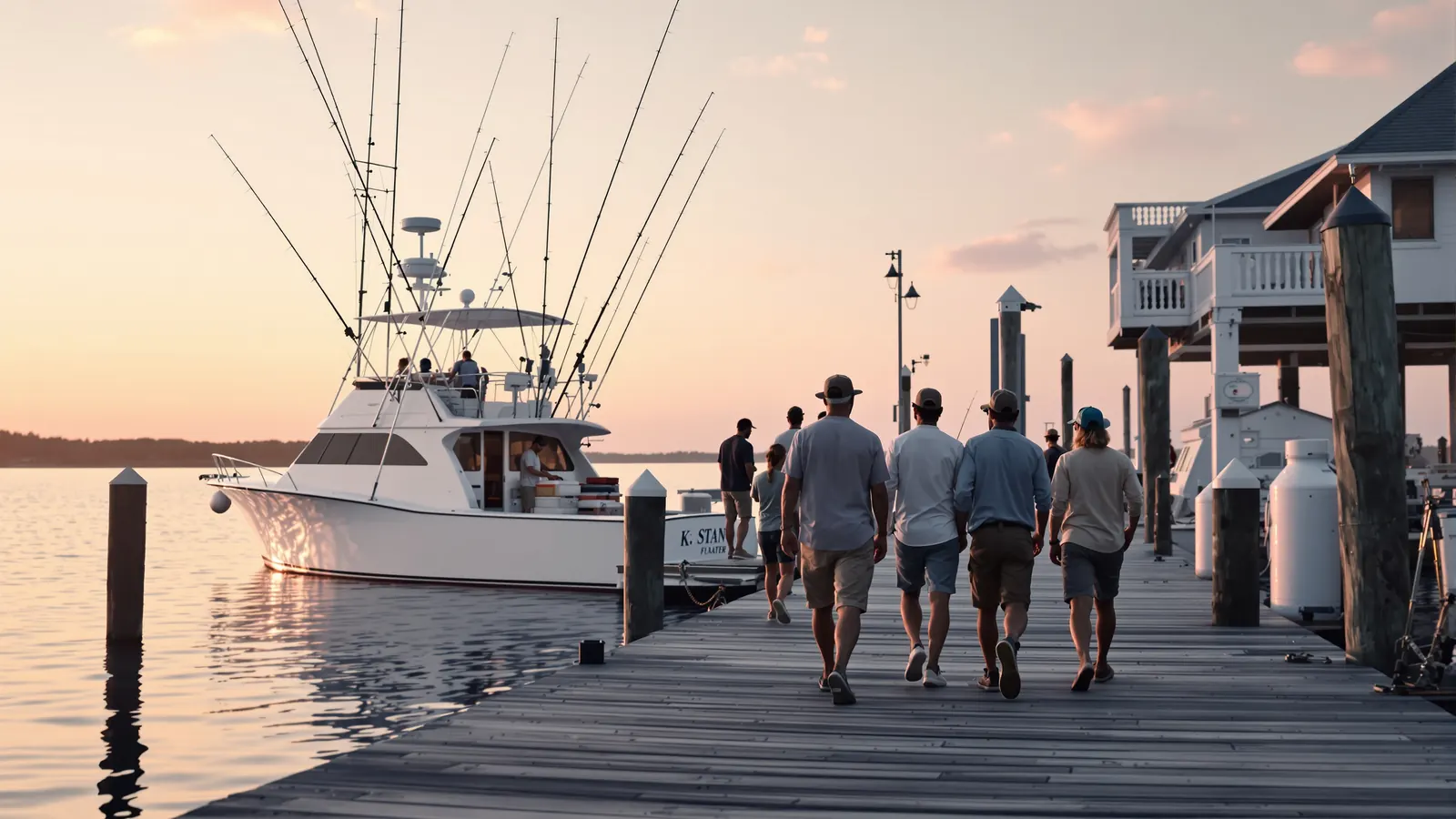
From the angler who searches the port name on the drive down to the family that rebooks every summer, here is how a charter gets found, chosen and booked again.
Fishing charter marketing is mostly about being easy to find and easy to choose in the few minutes an angler spends deciding. Many charter customers are visitors who search on a phone the week of the trip, compare a handful of boats on the map, look at photos and reviews, and book whoever answers first with a clear price.
That makes the job different from marketing a week-long elk hunt. The tools below are built around a short decision window, a crowded dock, and the anglers who come back every year if you treat them well.
Short answer
Market a fishing charter by keeping an accurate Google Business Profile for your dock, building a page for each trip with price and a booking button, ranking for searches like your port name plus fishing charter, collecting reviews and catch photos after every trip, emailing past anglers each season, and tracking which source each booking came from.
Who Books a Charter, and When They Decide
Before spending a dollar, sort your customers into the groups that actually fill your boat. Each one finds you differently.
| Angler type | How they usually find a boat | What they need to see |
|---|---|---|
| Vacationing families | Phone search near the rental, often days before | Trip length, kid-friendly, price, what is provided |
| Groups of friends | Search plus asking around; one person organizes | Capacity, target species, split payment, cooler and drinks rules |
| Serious anglers | Catch reports, species pages, word of mouth | Recent results, tackle, techniques, the captain's track record |
| Local repeat customers | Email, text, social follow | Openings, seasonal runs, priority booking |
| Corporate and event groups | Referrals and search, planned weeks ahead | Multiple boats, invoicing, clear terms |
Across all of them, speed decides more bookings than any slogan. A visitor who messages three boats on Tuesday for a Thursday trip usually books with the first captain who answers with a date, a price and a link. If you are on the water all day, set up instant confirmations and a booking page that answers the common questions so the angler can commit without waiting for you to get back to the dock.
A useful exercise: for each group, write down the exact words they would type into a search box. Those phrases become your page titles and headings later.
Google Business Profile for a Boat at a Marina
For a visitor searching from a beach rental, the map panel is often the whole first impression. Google's local ranking help page says local results are mainly based on relevance, distance and how well-known a business is, and that businesses with complete and accurate information are more likely to show up.
Rules that trip up captains
Google's Business Profile guidelines include several points that matter on the water:
- Use your real business name. Adding keywords like "Best Offshore Fishing Charter" to the name is not permitted.
- One profile per business. Do not create extra profiles for each port or boat ramp you use.
- Address and signage. Businesses that show an address are expected to keep permanent fixed signage there. If anglers meet you at a slip with no sign, read the service-area rules, which ask businesses without a storefront to hide the address.
- Few, accurate categories. Use as few as describe the core business, not categories added as keywords.
- Seasonal operation. The guidelines allow marking the business temporarily closed in the off-season and restoring hours when you reopen.
Then keep it alive: photos from recent trips, the boat, the cockpit, the dock at dawn, and answers to the questions anglers ask. Our guide to Google Business Profile optimization covers the rest.
Trip Pages That Sell the Day
In fishing charter marketing, the trip page is where the booking happens. A single "Charters" page with a paragraph of trip names loses visitors who want to compare. Give each trip its own page.
- The trip: half-day inshore, full-day offshore, nearshore reef, sunset cruise, kids' trip, tournament prep.
- Species by month: what is realistically biting in each part of the season, without promising fish.
- Price and capacity: per trip, the number of anglers included and the charge for each additional one up to your limit.
- What is provided: rods, tackle, bait, ice, fish cleaning, and whether licenses are covered under your charter (check your state's rules and say exactly what applies).
- What to bring: food, drinks, sunscreen, motion sickness remedies, a cooler for fillets.
- Weather and cancellation: who makes the call and what happens to the deposit.
- Tipping: a short, friendly note on crew tips; our post on tipping a fishing guide covers the etiquette.
Put a booking button on every trip page. HuntReserve's booking page lists each published trip with photos, what is included and price, and anglers choose the date, party size and add-ons and see the total before paying a deposit.
Fishing Charter Marketing for Local Search
Anglers rarely search "fishing charter." They search a place: the port, the inlet, the island, the lake. Local search is the core of fishing charter marketing because those phrases come with intent and a date.
Pages that match how anglers search
- A home page that names your port in the title and first heading: "[Port] fishing charters" in plain words.
- Species pages for the fish you are known for, tied to your waters and season.
- Nearby area pages only where you genuinely pick up or fish, written with real detail about meeting points, run times and what is caught there.
- A frequently asked questions page answering licensing, seasickness, kids, keeping fish and weather.
Avoid copying one page twenty times with the town name swapped. Pages need specifics a visitor can use: where to park, how long the run is, which months the target species show up. The same clear answers are what AI search tools tend to quote when an angler asks a question in a chat window.
Reviews, Photos and Catch Reports
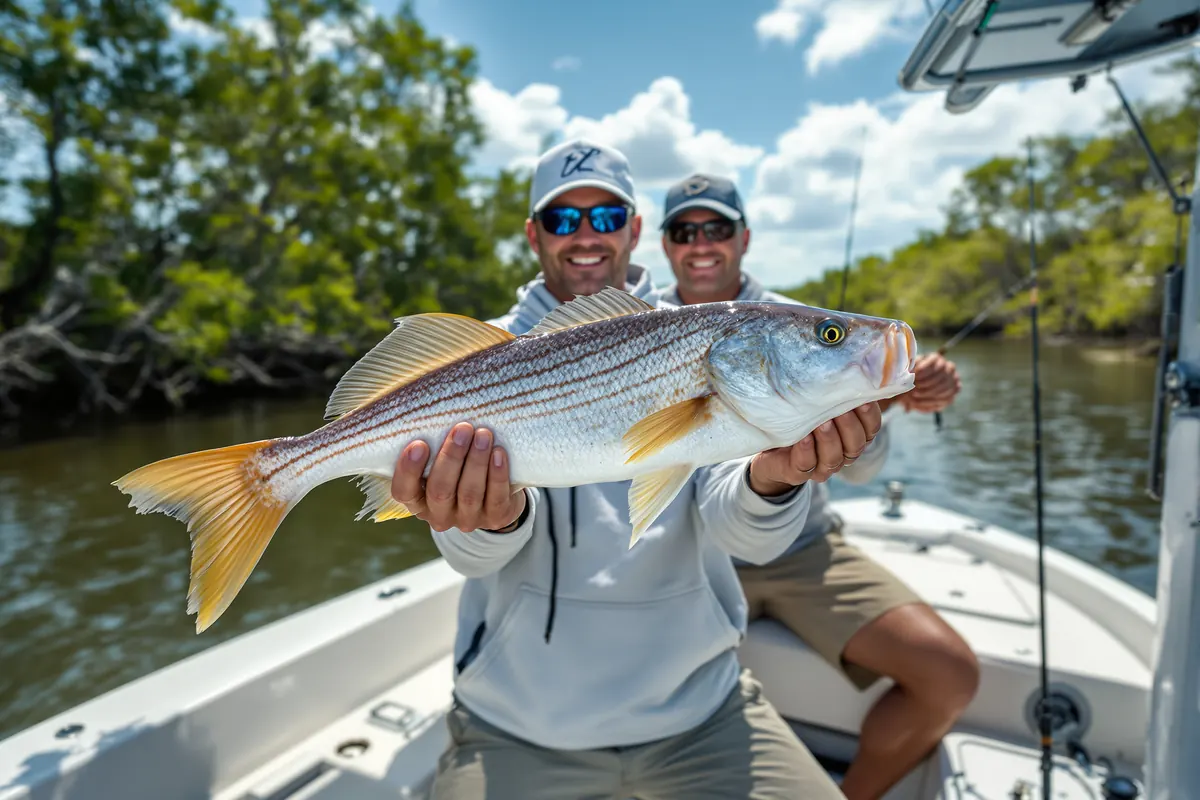
Charter customers trust two things, and good fishing charter marketing keeps both fresh: other anglers' reviews and recent photos of fish on your deck. Both build up only if you collect them every trip.
Reviews
Ask every group, the same day or the next morning, with a direct link. Google's contribution policy prohibits merchants from offering incentives such as discounts or free services for reviews, and from selectively soliciting positive reviews; it does allow asking customers to post about a genuine experience. So ask everyone, and offer nothing for it. HuntReserve sends each party a post-trip request to rate the outing privately and add their photos; ask every party for a Google review the same way, with your Business Profile link. More on the asking side is in getting more Google reviews.
Catch reports
A short report after each good day (species, rough area without giving away numbers, technique, conditions) gives serious anglers a reason to follow you and gives search engines fresh, specific pages. Post them on your site first, then share to social. Get permission before posting customers, and keep fish handling and regulations visible: undersized or over-limit fish in a photo can cost more than any post earns.
Short video from the cockpit
A twenty-second clip of a rod bending over the gunwale does more to sell a trip than a paragraph of adjectives. Video belongs in fishing charter marketing because it shows a nervous first-timer exactly what the day will feel like.
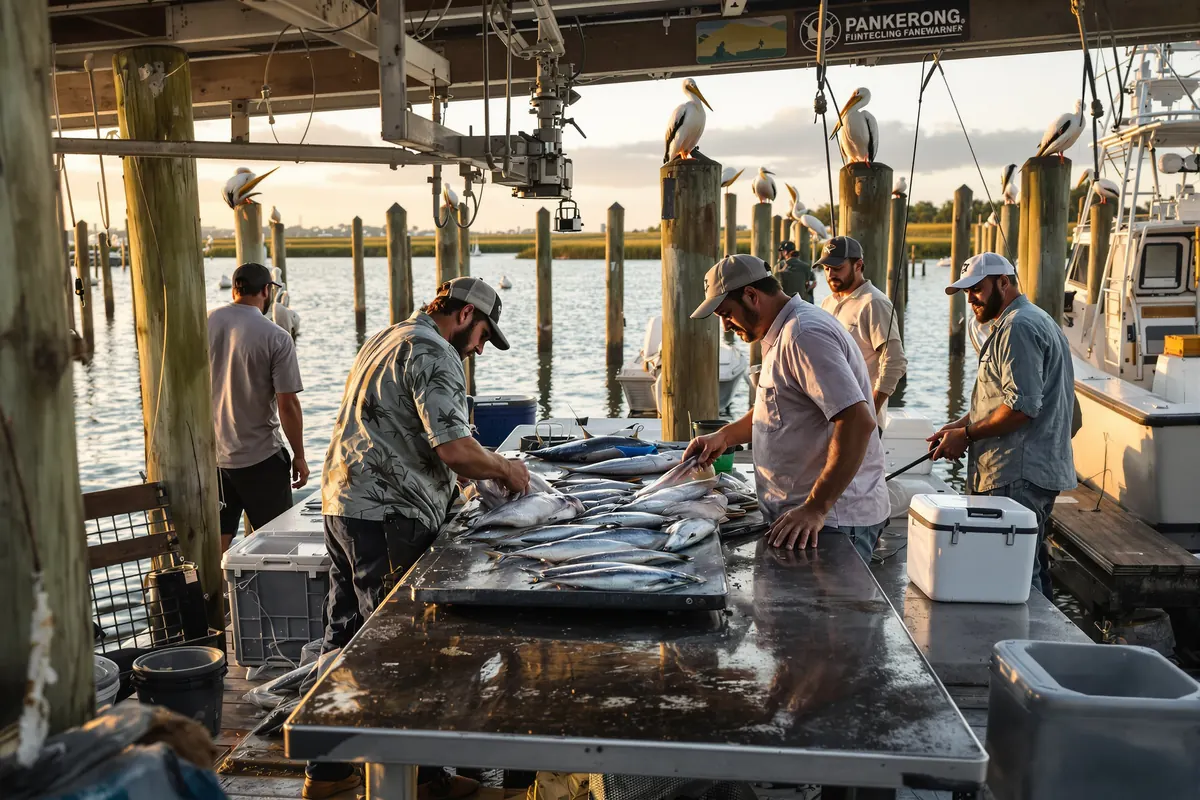
- Show the whole trip: leaving the inlet at first light, rigging baits, the kids reeling, the fish cleaning station, the ride home.
- Mount a camera on the T-top or hardtop so footage happens without anyone holding a phone while gaffing a fish.
- Get permission from each group before posting them, and skip anyone who says no.
- Keep it legal on camera. Measure fish, release what must be released, and show it. Viewers notice, and so do wildlife officers.
- Post on your own site too. Embed the best clips on the matching trip page, where they help the booking decision.
One good clip per fishing day adds up to a season's worth of content without turning the mate into a film crew.
Marketplaces vs Direct Bookings
Marketplaces are a fishing charter marketing question every captain faces. Third-party booking marketplaces can put your boat in front of visitors who would never find your website. They usually charge a commission or fee per booking, and they often control the customer relationship: messages, reviews and contact details stay on their platform.
Using marketplaces without depending on them
- Treat marketplace listings as discovery, and make sure your website and Google profile are strong enough to win the angler who searches your name after seeing you there.
- Keep prices consistent across channels, so nobody feels misled.
- Give every angler a reason to book directly next time: a past-customer email list, priority dates, an easier booking page.
- Track which bookings came from each source and what each cost after fees.
Direct bookings let you hold the deposit in your own account, keep the angler's contact details, and send them next season's openings. With HuntReserve, payments go to your own Stripe account and anglers in a group can each pay their share.
Partnerships Around the Harbor
Visitors ask the people around them where to go fishing: the front desk, the rental manager, the tackle shop, the restaurant that cooks your customers' catch. Those people can send you steady business if they know you and trust you.
- Introduce yourself in person before the season, with a simple card listing your trips and booking link.
- Make it easy to refer: one link or QR code that goes straight to your booking page.
- Take care of their guests. A front desk keeps recommending a captain only as long as guests come back happy.
- Close the loop. Thank partners when a referral books, and record the source so you know which relationships produce trips.
If you offer anything in return for referrals, check your state's rules and any licensing restrictions that apply to the partner, and be open with customers about the relationship.
A Fishing Charter Marketing Calendar for the Year
Charter demand follows the fish and the school calendar. Plan the marketing to land just before each wave.
| When | What to do |
|---|---|
| Off-season | Update trip pages and prices, open next year's calendar, email past anglers, sell gift trips for the holidays |
| Before spring break and summer | Fresh photos on your Google profile, family trip pages up front, reply times tightened |
| Peak season | Daily photos and clips, review requests after every trip, waitlist working |
| Seasonal runs | Species-specific emails and catch reports as the bite starts |
| Shoulder season | Locals and repeat anglers, weekday trips, open-spot alerts |
| End of season | Review the numbers by source, thank partners, plan next year |
Write the calendar around your own port. A northern lake charter and a southern inshore guide share almost none of the same dates, but both benefit from deciding the timing in advance instead of reacting.
Repeat Anglers, Seasonal Email and Gift Trips
The angler who already fished with you is the easiest booking you will get all year, and fishing charter marketing that ignores them leaves money at the dock.
A simple email rhythm
- Before each run: "The fall bite is starting; here are open dates."
- After the trip: thank-you, photos, review request, and a link to rebook the same week next year.
- Off-season: next year's calendar opens; past customers get first pick.
- Short notice: cancellations and open spots offered to locals and past anglers.
HuntReserve's waitlist offers a cancelled trip to the next angler with a 24-hour claim link, and Open Spots sends last-minute openings to customers you have approved.
Gift trips
Charters make good holiday and birthday gifts, which brings in bookings during the slow season. Be careful with how you sell them. Federal rules on gift certificates in Regulation E, section 1005.20 generally bar expiration dates earlier than five years from issue, with listed exclusions, and state law may add its own rules. Confirm with an attorney or accountant how your gift trips should be worded, how they are redeemed and how long they stay valid.
Measuring Fishing Charter Marketing by Booked Trips
Busy captains judge marketing by how the phone feels. A season of real data is more reliable.
- Ask and record the source on every booking: Google profile, website search, marketplace, referral, repeat, walk-up, email.
- Compare booked trips and revenue by source against the cost of each: fees, ads, time.
- Watch the response time from inquiry to answer. Fast replies win visitors comparing boats.
- Track rebooking. What share of last season's groups came back is the clearest sign your trips and follow-up work.
HuntReserve inquiry forms record trip, dates, party size and source on the Inquiries board, and payments sync to QuickBooks Online, so revenue by source is easy to pull at season's end.
If you would rather have a team run the search, Google profile, ads and reviews, read about our marketing team. See the fishing charter and guide software and the full features list, and get started before next season's calendar opens. Starting a new boat? Read how to start a fishing charter business first, and for the outfitter side of the industry, see our hunting marketing plan.
Frequently asked questions
How do fishing charters get customers?
Most bookings come from local search and Google Maps, booking marketplaces, repeat customers, referrals, and email or text to past anglers. Visitors often decide within a day or two, so a complete Google profile, clear trip pages with prices, recent photos and reviews, and fast replies matter as much as any single channel.
What should a fishing charter website include?
A page for each trip with length, species by season, price, capacity, what is provided, what to bring, weather and cancellation terms, and a booking button. Add a page naming your port, a frequently asked questions page, recent catch reports and real photos of your boat and crew. Make it fast and easy to use on a phone.
Should a fishing charter use booking marketplaces?
They can help visitors discover you, especially when you are new. They usually charge a fee per booking and may keep customer details on their platform. Many captains use them for discovery while building direct bookings through their own website, Google profile and past-customer list, and they track the cost of each source.
How can a charter get more Google reviews?
Ask every group soon after the trip with a direct review link, and make it part of the routine rather than something you remember on good days. Google's policy prohibits offering discounts or freebies for reviews and selectively asking only happy customers, so ask everyone and offer nothing in return. Reply politely to every review.
Is fishing charter marketing different from hunting marketing?
Yes, mainly in timing. Charter customers are often visitors booking days ahead, so local search, the map panel and fast replies matter most. Guided hunts are planned months or years out, so draw calendars, shows and long-term email carry more weight. Reviews, clear pages and repeat customers matter for both.
Sources
- Google Business Profile Help: Guidelines for representing your business
- Google Business Profile Help: Tips to improve your local ranking
- Google Maps user contributed content policy: Fake engagement
- CFPB: Regulation E 1005.20 Gift cards
Rules, fees and policies change. This guide was checked against the official sources above in October 2026. It is general information, not legal, tax or insurance advice: confirm the current details with the agency or a licensed professional before you rely on them.
Keep reading
More from the HuntReserve blog
How to Start a Fishing Charter Business, From Credential to First Booking
The order of operations for a new charter: pick the model, get the right Coast Guard credential, match the boat to it, add state and federal permits, insure, set up bookings and fill the calendar.
12 min read
How to Get More Google Reviews for Your Outfit, the Right Way
Reviews come from a habit, not a campaign: ask every guest at the right moment, make it a two-tap job, keep staff on script and stay well inside Google's rules on incentives and selective asking.
12 min read
Hunting Marketing for Outfitters: A Year-Round Plan That Books Hunts
A complete plan for filling hunts: a clear position, hunt pages that answer every question, search and AI visibility, reviews, email, video, shows and referrals, measured by bookings.
12 min readSpend the season in the field.
Let HuntReserve run the office.
Tell us about your outfit. We'll call you, walk you through it with your own hunts and get you set up.