Home / Blog / Fishing charters
Tipping etiquette for anglers
How Much to Tip Fishing Guide Crews, Captains and Mates
A plain guide for anglers on tipping after a guided trip or charter: what shapes the amount, who gets the tip on a boat with a mate, cash versus apps, and how lodges and party boats differ.
Working out how much to tip fishing guide crews is one of those questions most anglers only think about in the last ten minutes of the trip, standing on the dock with a cooler of fillets and no idea what is normal. Nobody wants to insult a mate who worked hard all day, and nobody wants to guess wildly either.
There is no law or official chart that sets the amount. What follows is how tipping on guided fishing trips usually works, what changes the right number for your trip, who actually receives the money on a boat with a captain and a mate, and how to handle cash, apps and multi-day trips. A short section at the end is for captains who want to make this easier for their clients.
Short answer
There is no official amount. Many anglers base a fishing guide tip on the trip price, then adjust for effort, conditions, trip length and extras like fish cleaning. On a charter with a mate, tip the crew and ask how tips are shared; cash handed over at the dock is the simplest and most common way to give it.
Why There Is No Single Right Number
Tipping is a custom, not a fee. Federal wage rules describe a tip as a sum a customer gives as a gift or gratuity for service, and say that whether a tip is given, and its amount, are determined solely by the customer. That is the legal backdrop: the choice is yours.
In practice, anglers tend to think about a tip in one of two ways:
- As a share of the trip price, similar to how many people tip at a restaurant.
- As an amount per day, often per angler, which is common on multi-day lodge trips.
Both approaches are reasonable. We are not going to quote a percentage, because no official body publishes one and customs differ by region, fishery and type of trip. Some guides and lodges publish their own tipping guidance, and when they do, that is the best number to follow for that trip.
Customs also shift with the type of fishing. A walk-and-wade trout guide who spent the day tying knots for a beginner, a bass guide running a tournament-style boat, and an offshore crew that ran fifty miles before sunrise are doing very different jobs. Thinking about the work behind your particular trip, rather than copying a number a friend used on a different kind of trip, gets you closer to a fair tip.
What everyone agrees on is that the tip reflects the work and the service, not only the catch. Fish do not always cooperate, and a guide who works hard on a tough day has earned more than one who coasts on an easy one.
What Should Raise or Lower Your Tip
Think about the trip in pieces. Each of these factors is a fair reason to tip more or less.
| Factor | Tip more when | Tip less when |
|---|---|---|
| Effort | The guide moved spots, changed tactics and kept working through slow hours | The guide sat in one spot and checked a phone |
| Teaching | You came home a better angler, or a child or beginner got patient help | Questions were brushed off |
| Conditions | The day was rough, hot, cold or wet and the crew kept it safe and fun | Not usually a reason to tip less on its own |
| Trip length | Full days, overnight trips and long runs offshore | Short trips cut early by your own choice |
| Fish care | The crew cleaned, bagged and iced your catch | You cleaned your own fish |
| Extras | Gear, tackle, flies or lunch beyond what you expected | Promised items were missing |
| Safety and attitude | Clear briefings, careful boat handling, respectful crew | Unsafe handling or rude behavior |
A slow fishing day is not, by itself, a reason to skip the tip. If the crew did everything they could and the bite never turned on, recognize the work. If service was genuinely poor, a smaller tip plus a calm, honest word with the captain or owner is fairer than silence.
How Much to Tip: Fishing Guide vs. Charter Captain and Mate
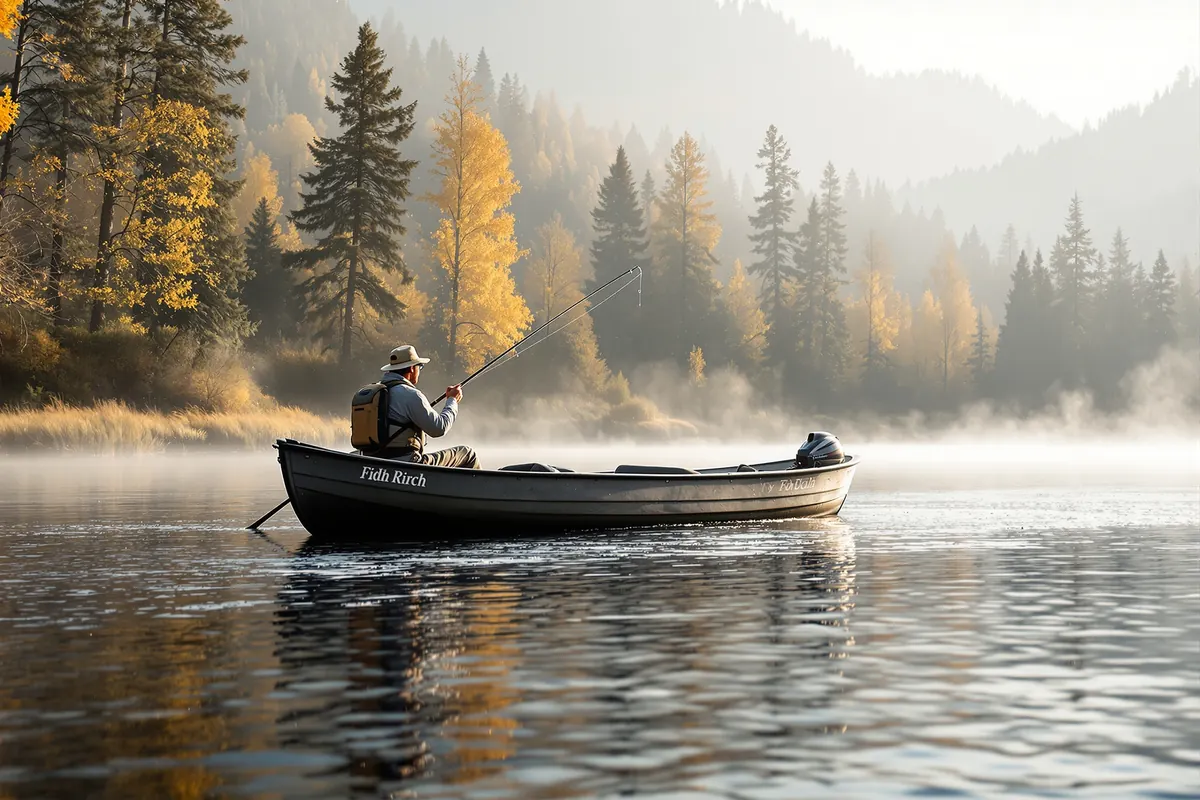
Who you tip depends on how the trip is staffed. The setup changes who receives the money and how it is shared.
Independent guide who owns the boat
A solo guide running a bay boat or a drift boat is both business owner and service provider. Some people say you do not tip owners, but in guided fishing it is common to tip the guide who fished you, owner or not. Hand it directly to the guide.
Charter with a captain and a mate
On a typical offshore charter, the captain runs the boat and the mate rigs baits, handles lines, gaffs fish and cleans the catch. Practices vary on how tips are divided. The cleanest move is to hand the tip to the mate or the captain and simply ask, "How do you split this?" Many crews have a set arrangement.
Lodge or outfitter employing guides
At a lodge, guides are often employees. Some lodges pool tips among guides and staff; others ask you to tip each guide individually. The lodge will usually tell you which, and if it does not, ask at check-in.
Party boats and head boats
On larger boats that sell individual spots, mates move up and down the rail helping dozens of anglers untangle lines and land fish. Individual tips to the mates are customary on many of these boats, often at the end of the trip.
If a business employs the crew, federal rules generally bar the employer from keeping employees' tips, and managers and supervisors may not keep any portion of an employee's tips, under 29 CFR 531.52. That rule is about the business, not about you as the angler, but it explains why your tip to a mate generally belongs to the crew.
A Five-Minute Way to Decide on the Dock
If you are standing at the cleaning table trying to settle how much to tip fishing guide and crew, run through these questions quickly. They turn a vague feeling into a number you can stand behind.
- What did the trip cost? Start from your usual habit, either a share of the price or an amount per day, so the tip scales with the size of the trip.
- How hard did they work? Moving spots, re-rigging, untangling, teaching and staying positive on a slow day all count. Adjust up for real effort.
- What did they do for your fish? Cleaning, bagging and icing a big catch takes time and skill. Many anglers add a bit for it.
- How many people served you? A captain and a mate means two people sharing the tip, so make sure the total reflects both.
- Did the business publish guidance? If the confirmation email or the lodge packet suggests an approach, follow it.
Agree on the approach with your group before the trip ends. Nothing is more awkward than four anglers whispering about money while the mate hoses down the deck. One person collecting from everyone during the ride back keeps it smooth.
Common Tipping Mistakes Anglers Make
Most tipping mistakes come from not thinking about it until the last minute. A few to avoid:
- Forgetting the mate. On a charter, the mate often does the most physical work. Make sure they are part of the tip, either directly or through the crew's split.
- Tipping on the catch alone. Rewarding only big fish days punishes crews for weather and water conditions they cannot control.
- Bringing only large bills. It makes splitting between captain and mate awkward and sends people hunting for change.
- Assuming the price includes it. Unless the booking says a gratuity is included, it usually is not. If you are unsure, read the confirmation or ask.
- Leaving it with the office. When a tip is left at a booking desk, ask how it reaches the crew. Handing it over in person is best.
- Disappearing after a bad day. If something went wrong, tell the captain or owner calmly. That feedback is more useful to everyone than a silent skipped tip.
Anyone researching how much to tip fishing guide crews before a first charter is already ahead of most. A little planning, some small bills and a sincere thank you cover nearly every situation.
Cash, Venmo or Card: Handing It Over
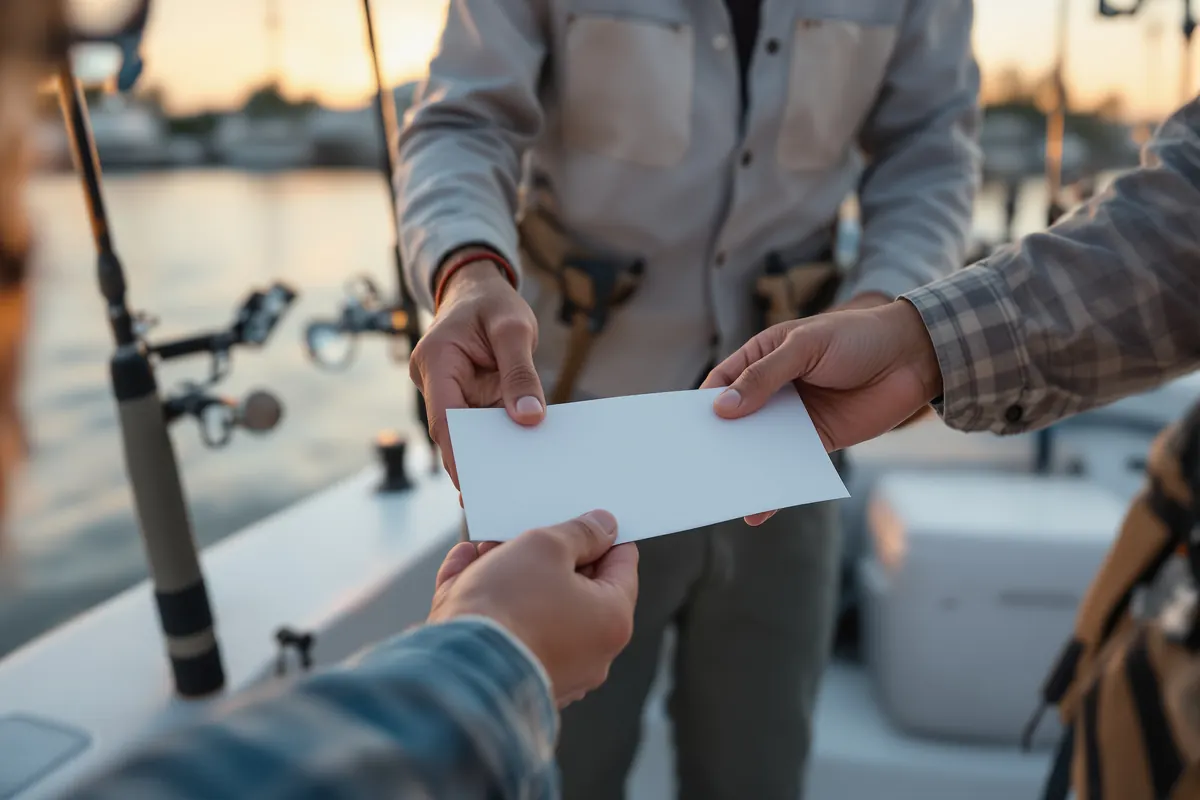
Cash is still the default on most docks. It is immediate, it is clearly a gift, and it does not require anyone to look up an account while unloading coolers.
- Bring small bills. If you plan to split a tip between a captain and a mate, have bills that make that easy. ATMs are not always near the marina.
- Use an envelope for a group. On a shared charter, collect from everyone before the trip ends and hand over one envelope with a quick thank you.
- Apps are fine if the crew offers them. Many guides now accept tips by Venmo or similar apps. Ask for the exact handle and double-check it before sending, since app payments to the wrong person can be hard to recover.
- Card tips depend on the business. Some charters can add a gratuity to a card payment at the booking desk. Ask whether it goes to the crew in full.
Whatever method you use, hand it over in person when you can and say thank you. A direct thank you, and a mention of what the mate did well, means a lot after a long day on the water.
Captains who take booking payments by app should read our breakdown of Venmo for business, which covers profiles, fees and records on the business side.
How Much to Tip Fishing Guide Teams on Multi-Day Trips
Lodge and destination trips raise new questions: several guides, camp staff, cooks and boat drivers, and several days of service. Here is a sensible approach.
- Read the lodge's guidance first. Many lodges explain their tipping customs in the trip packet or at check-in. Follow it.
- Decide on a total for the trip, using the same factors as a single day, then split it between guides and staff according to the lodge's custom.
- Tip guides individually if you fished with different guides. Give each guide their share on the last day you fish with them, rather than waiting until checkout when they may already be on the water.
- Remember the staff behind the scenes. Cooks, cleaners and dock hands keep the trip running. Many lodges use a staff tip box or envelope for this.
- Plan the cash before you travel. Remote lodges may not have card readers or banks nearby.
Tipping on hunting trips follows similar logic but has its own customs around guides, packers and camp staff. If you also hunt, see our companion article on how much to tip a hunting guide.
Tips Are Income for the Crew
This part is mostly for captains and mates, but anglers sometimes wonder about it. The IRS treats tips as income. Its tip recordkeeping and reporting page says all cash and non-cash tips received by workers are income subject to federal income tax, that employees must keep a daily record of tips received, and that employees must report cash tips to their employer unless the total is less than $20 for the month from that employer. Tips received through tip pools or other sharing arrangements are income too.
The same page describes a deduction for qualified tips beginning in 2025, with income limits and other conditions, including which occupations qualify. Whether it applies to a particular guide or mate is a question for a tax professional, not a blog post. This section is general information, not tax advice.
- For anglers: nothing to report on your side; a tip is a gift you choose to give.
- For crew: keep a simple daily log of tips by trip and report as required.
- For charter owners: talk to your CPA about how tips are handled in payroll if you employ mates.
For Captains: Put Tipping Guidance in the Confirmation
If you run a charter, clients are going to wonder how much to tip fishing guide crews on your boat, even if you never bring it up. Telling them in advance is kinder than leaving them to guess on the dock, and it tends to lead to smoother endings.
What to include
- A plain sentence that tips are appreciated but never required.
- Who receives tips (captain, mate or both) and whether the crew shares them.
- Accepted ways to tip: cash, an app handle, or a gratuity added at booking.
- A reminder to bring cash, since there may be no ATM at the dock.
Put it where people actually read it: the booking confirmation and the day-before reminder with what to bring. In HuntReserve, automatic reminders by email and text cover balance due, missing paperwork, what to bring and a day-before message, so tipping guidance can ride along with the cooler and sunscreen list. After the trip, post-trip review requests invite anglers to rate the trip, upload photos and review you on Google.
Charter operators can see how bookings, deposits and reminders fit together on our fishing charter software page, and the full list of tools is on our features page. If you are still getting your operation off the ground, our guide to starting a fishing charter business covers licenses and setup. When you want help with bookings for next season, get started with us.
Frequently asked questions
Do you tip a fishing guide who owns the boat?
Many anglers do. In guided fishing, tipping the person who fished you is common whether or not they own the business. If the owner guided you and worked hard, a tip is a normal way to say thanks. If you are unsure, it is perfectly fine to ask the guide or the booking office how they handle tips.
Should you tip if you did not catch any fish?
Usually yes, if the crew worked hard. Fish do not always bite, and a good guide keeps moving, changing tactics and keeping the day safe and enjoyable. The tip recognizes service and effort, not only the catch. If service was poor, a smaller tip and an honest word with the captain is fairer than nothing.
Who gets the tip on a fishing charter?
It depends on the boat. On charters with a captain and a mate, the mate often does much of the hands-on work, and crews have their own arrangements for sharing tips. Hand the tip to the mate or captain and ask how they split it. Lodges may pool tips or ask you to tip each guide.
Is it better to tip a fishing guide in cash?
Cash is the most common and simplest option because it is immediate and needs no account details. Many guides also accept app payments, so ask for the exact handle and check it before sending. If the charter offers to add a gratuity to your card, ask whether the full amount goes to the crew.
Is there a standard for how much to tip fishing guide services?
No official standard exists, and no government body sets one. Many anglers base the tip on the trip price or tip a set amount per day, then adjust for effort, trip length, fish cleaning and service. When a guide service or lodge publishes its own tipping guidance, follow that for the trip you booked.
Sources
- IRS: Tip recordkeeping and reporting
- eCFR 29 CFR 531.52: General restrictions on an employer's use of its employees' tips
Rules, fees and policies change. This guide was checked against the official sources above in October 2026. It is general information, not legal, tax or insurance advice: confirm the current details with the agency or a licensed professional before you rely on them.
Keep reading
More from the HuntReserve blog
How Much to Tip a Hunting Guide (and the Rest of the Camp)
There is no official tipping rate for guided hunts. What matters is the length of the hunt, the work your guide put in, who else kept camp running and what your outfitter says.
12 min read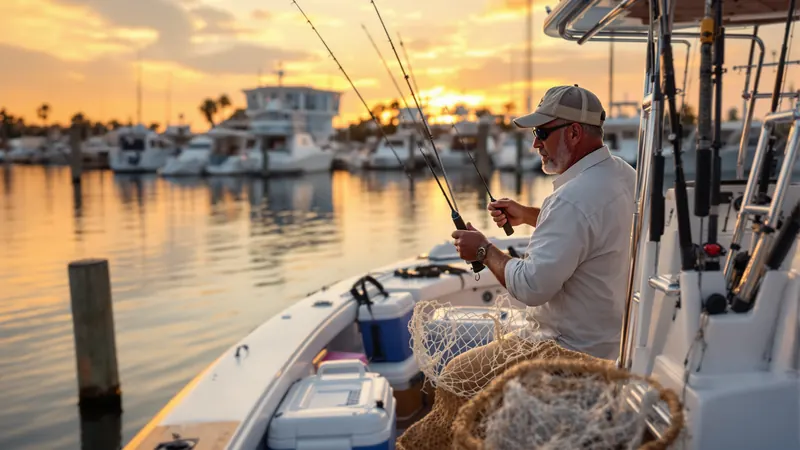
How to Start a Fishing Charter Business, From Credential to First Booking
The order of operations for a new charter: pick the model, get the right Coast Guard credential, match the boat to it, add state and federal permits, insure, set up bookings and fill the calendar.
12 min read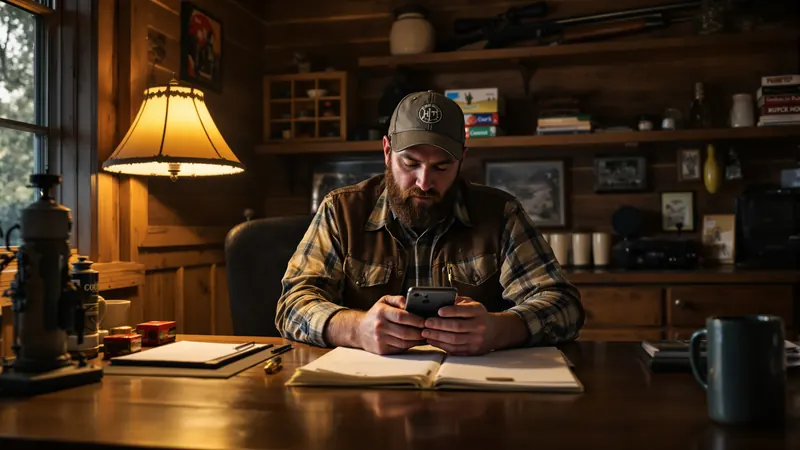
Venmo for Business: What Outfitters and Charter Captains Should Know
Personal accounts versus business profiles, what Venmo actually charges, how disputes and taxes work, where Zelle fits, and why card deposits still matter for guided hunts and charters.
12 min readSpend the season in the field.
Let HuntReserve run the office.
Tell us about your outfit. We'll call you, walk you through it with your own hunts and get you set up.