Home / Blog / Bookings & payments
Gratuity etiquette for guided hunts
How Much to Tip a Hunting Guide (and the Rest of the Camp)
There is no official tipping rate for guided hunts. What matters is the length of the hunt, the work your guide put in, who else kept camp running and what your outfitter says.
Figuring out how much to tip a hunting guide is one of those questions most hunters quietly worry about from the moment they book. Nobody wants to insult a guide who packed an elk out of a basin in the dark, and nobody wants to guess wrong in front of the whole camp on the last morning.
The honest answer is that there is no official rate. No agency sets one, and practice varies by region, species and the kind of operation. What we can do is lay out the factors that actually move the number, the people besides your guide who keep a camp running, and how to handle a hunt that did not end with a tag on an animal. Then ask your outfitter, because the best answer for any camp is the one that camp gives you.
Short answer
There is no set amount. Tips for hunting guides are voluntary, and fair amounts depend on the length and cost of the hunt, the physical work involved, the guide-to-hunter ratio, extra services like caping or packing, and the outfitter's own guidance. Ask the outfitter before you arrive and bring cash.
Why there is no single answer to how much to tip a hunting guide
Restaurant tipping has a well-known range because the service is roughly the same everywhere. Guided hunts are not. Compare three trips:
- A half-day dove shoot on a managed field, with a field host who points out where to stand.
- A four-day whitetail hunt from a lodge, where a guide drives you to a stand each morning and evening.
- A seven-day backcountry elk hunt on horseback, with a guide, a packer, a wrangler and a cook, and a bull quartered and packed out on the last afternoon.
Those three hunts differ in price, length, physical effort and the number of people involved. A single percentage or a single dollar figure cannot fit all of them, which is why any number you see quoted online without context should be read with caution.
Tipping customs also differ by region and by outfit. Some camps pool tips and split them among all staff. Some expect each guide to be tipped directly. Some build a gratuity into the price. The only way to know is to ask.
Eight factors that move the number
Use these to think about where your tip should land relative to whatever guidance your outfitter gives.
| Factor | Pushes the tip up | Keeps it modest |
|---|---|---|
| Length of the hunt | Multiple days, long days, early starts and late returns | A half-day or single sit |
| Physical work | Steep country, long tracking jobs, packing meat out | Driving to a stand and back |
| Guide-to-hunter ratio | One guide dedicated to you | One guide spread across a large group |
| Extra services | Caping, skinning, quartering, blood trailing at night | Those handled by separate staff |
| Equipment | Guide uses their own dogs, boat or truck | Everything supplied by the outfitter |
| Teaching | Guide spent time coaching a new or young hunter | Experienced hunter needing little help |
| Conditions | Guide kept working through rain, snow or wind | Easy weather |
| Gratuity in the price | No gratuity built in | A service charge already on the invoice |
Notice that the size of the animal is not on the list. A guide controls effort, skill and attitude. The animal is up to the woods. A guide's hardest week of the season can easily be one with no shot fired.
Ask the outfitter, and when to ask
Outfitters hear this question often, and a good one will give you a straight answer. Some include a line about tipping in their booking confirmation or their what-to-bring list. If yours has not, ask when you pay your deposit or balance, not in camp.
A good way to phrase it: "What do your hunters usually do for the guides and the camp staff, and do you pool tips or should we tip each person directly?" That gets you both the custom and the logistics in one answer.
- Ask about pooling. If tips are pooled, one envelope to the outfitter may be right. If not, plan separate envelopes.
- Ask what is included. Is caping, quartering or bird cleaning part of the price, or a separate service?
- Ask about cash. Remote camps may be hours from an ATM. Find out if anything other than cash works.
The outfitter's answer should carry more weight than anything you read online, including this page. They know what their staff are paid, what is customary in their country and how the camp works.
How the hunt type changes the picture
The factors above apply everywhere, but each kind of hunt has its own rhythm, and that changes who did the work and how much of it.
Duck and goose hunts
Waterfowl guides often start hours before shooting light: running boats in the dark, setting dozens of decoys, brushing blinds and handling dogs. Afterward they pick up the spread and often clean birds. A guided morning may be short on the clock but long on labor.
Upland preserves and plantations
On a quail or pheasant hunt the guide and the dog handler may be different people, and the dogs carry much of the day. Bird cleaning is often done by separate staff. Ask how the preserve splits gratuities among them.
Whitetail lodges
At a lodge, guides may manage stands, food plots and trail cameras all season, then drive hunters to stands and help with recovery. The time you see is a fraction of the time spent preparing.
Backcountry big game
Elk, sheep, goat and mule deer hunts in rough country involve long days on foot or horseback, a full camp crew and, with luck, a heavy pack-out. This is where the question of how much to tip a hunting guide matters most, because the physical effort and the number of people involved are both at their highest.
Hogs and alligators
Night hog hunts and alligator hunts carry their own handling work and risk. The guide who manages a hooked gator at the side of the boat is doing skilled, careful work.
Fishing has its own customs, including how tips split between captain and mate, covered in our post on how much to tip a fishing guide.
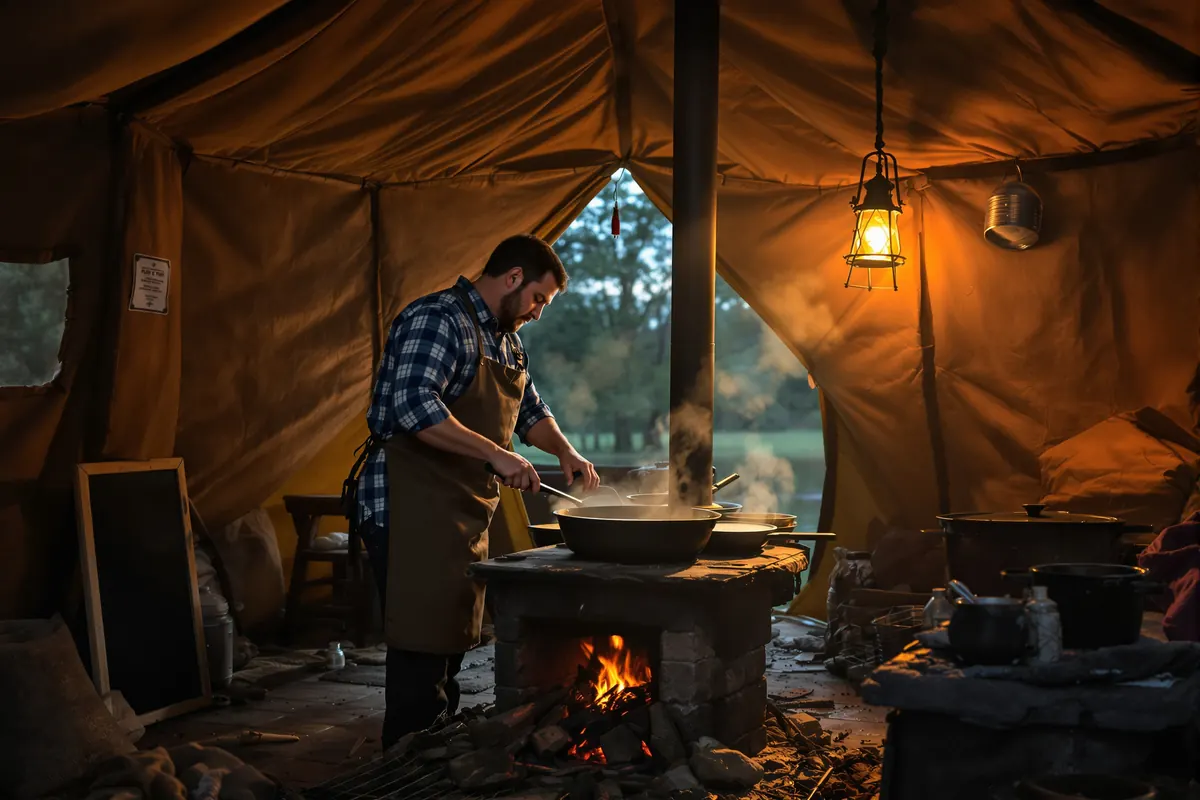
The rest of the camp: cooks, packers, wranglers and skinners
On a bigger hunt your guide is one of several people working for your trip. Some of them you may barely see.
Cooks
The cook is often up before the guides and still cleaning after dinner. In many camps the cook is the person hunters forget, and the one guides most want to see taken care of.
Packers and wranglers
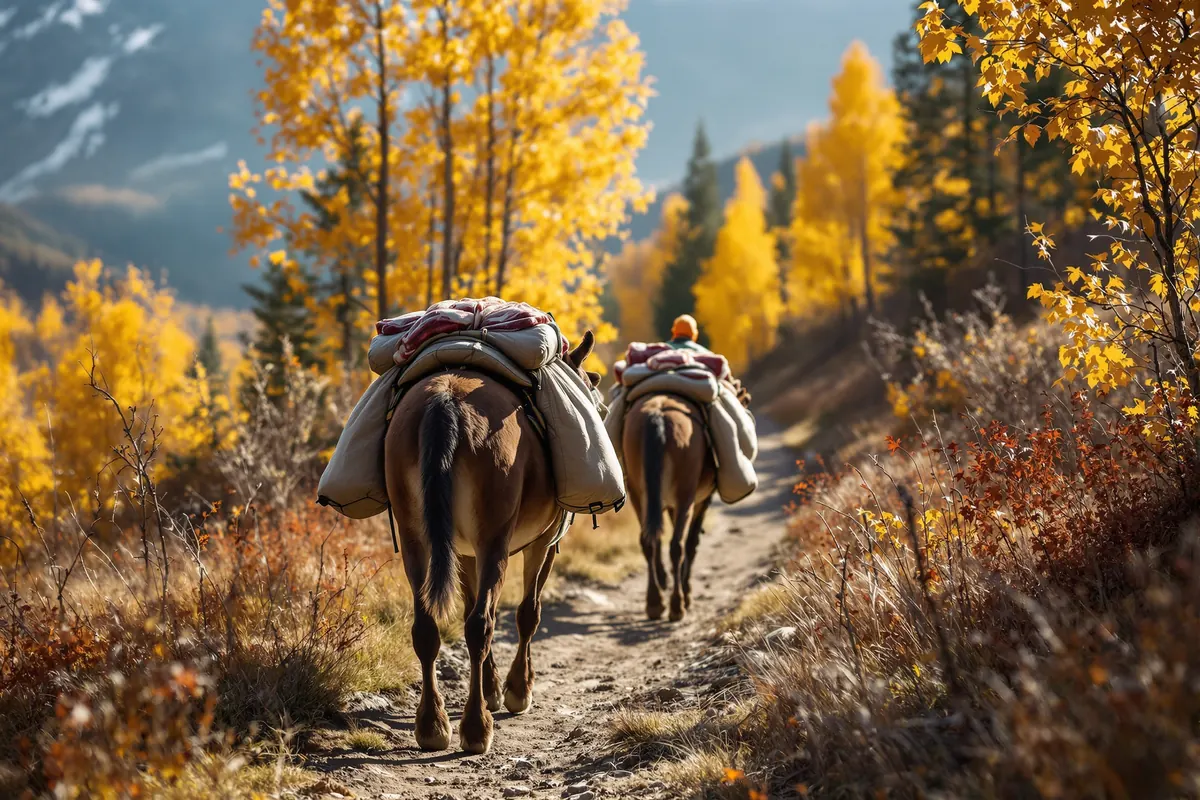
On horseback hunts, the wrangler catches, saddles and feeds the stock, and the packer moves camp, gear and meat. A bull elk does not get from the bottom of a canyon to the trailhead without them.
Skinners and caping help
Some lodges have dedicated staff who skin, cape and prepare meat for processing. Careful caping matters a great deal for a shoulder mount, and it is skilled work.
Dog handlers and bird cleaners
On quail plantations and pheasant preserves, the dog handler runs the dogs and the bird cleaners process your birds after the hunt. If dogs made your day, the person who trained them had a lot to do with it.
Ask the outfitter whether a single camp-staff tip, split among everyone, is the custom, or whether each role is tipped separately.
How much to tip a hunting guide when you go home without an animal
This is the question that makes people most uncomfortable, and the answer is fairly simple: tip for the work, not the result.
Wild animals do not keep appointments. A guide can do everything right (scouting, glassing, reading the wind, putting you in front of fresh sign every morning) and still come up empty when weather turns or the rut goes quiet. If your guide worked hard, was honest with you and kept you safe and in the game, that effort deserves to be recognized in the same way it would have been with a full freezer.
A few situations do justify adjusting down:
- The guide showed up late, quit early or was clearly not trying.
- The guide was unsafe with firearms or careless around stock or water.
- The guide was rude or dismissive.
If something like that happened, a smaller tip alone does not fix it. Tell the outfitter, calmly and specifically, before you leave. Most outfitters want to know, and it gives them a chance to make it right with you and to fix the problem for the next hunter.
A missed shot is not on that list. If you missed, the guide still got you there.
Cash, envelopes and timing
Once you know how much to tip a hunting guide and the camp, small details make the handoff easier for everyone.
- Bring cash. Many camps are remote, and cash is what guides can use immediately. If the outfitter tells you digital payments work, ask which ones before you leave home.
- Use envelopes. Put each tip in a separate envelope with the person's name. It is discreet and avoids awkward counting at the truck.
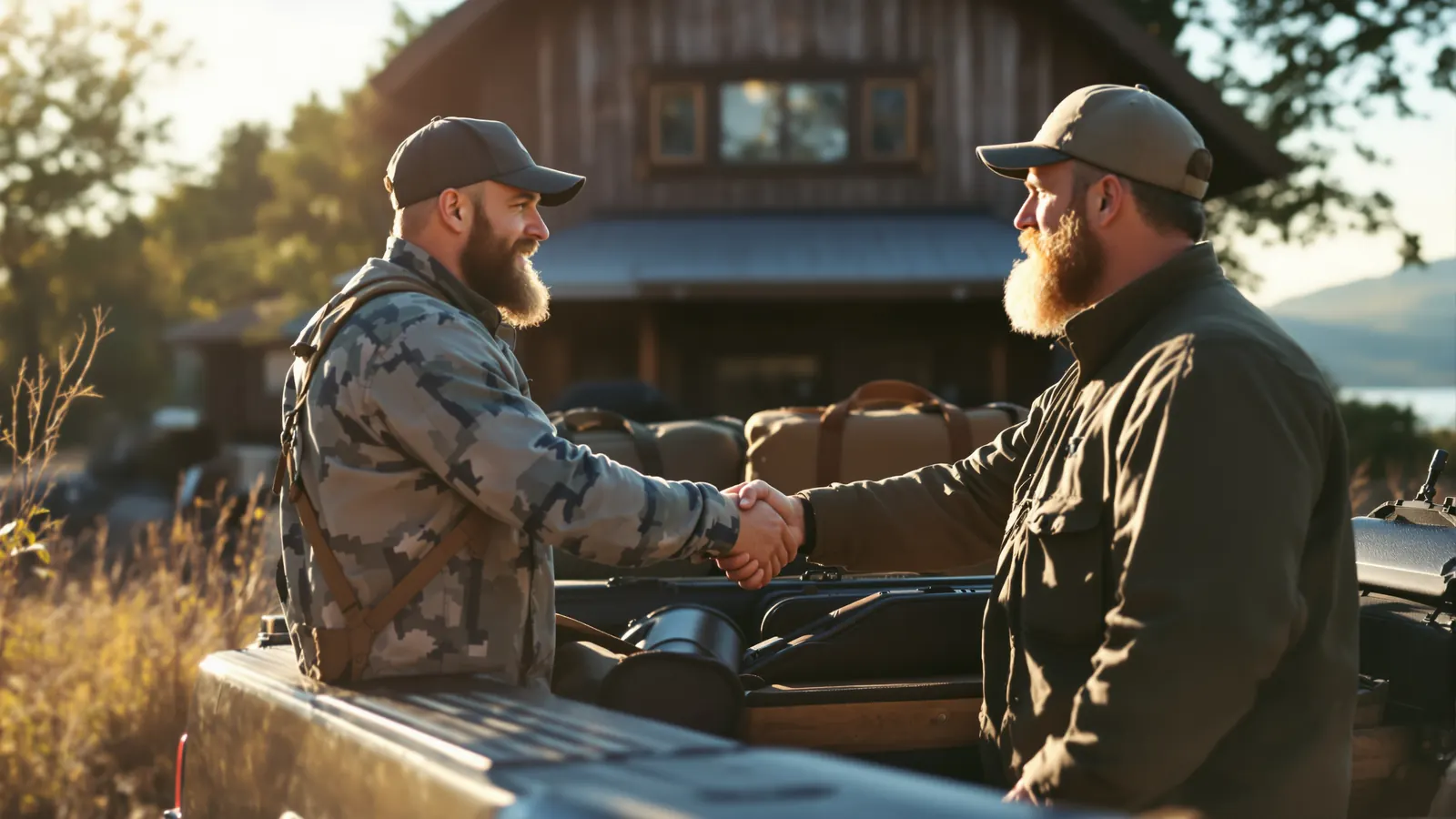
- Hand it over yourself. Give it directly on the last day, with a handshake and a specific thank-you. "Thank you for sticking with that blood trail" means more than a generic goodbye.
- Do it before the chaos. The last morning is loading trucks, settling bills and saying goodbyes. Give envelopes the night before if you will leave early.
- Do not add it to your card balance unless asked. Some outfitters cannot pass card tips to staff easily. Follow their instructions.
If you hunted as a group, decide the amount and the split before the trip, not over the last breakfast. Collect it from everyone once, so one person is not left covering the group.
Other ways to thank a guide
A tip matters, but it is not the only thing guides value. Several of these cost nothing and can matter as much over a career.
- A review that names them. Mentioning the guide by name in a review helps both the guide and the outfit.
- Photos. Send the good shots from the hunt. Guides use them to show what their work looks like.
- Rebooking. Ask for the same guide next season. Repeat clients are worth a lot to a guide.
- Referrals. Send a friend who will be a good client.
- A word to the outfitter. Tell the owner specifically what your guide did well. It can affect who gets hired back.
Gifts of gear are a nice touch from a regular client, but they are not a substitute for a cash tip on the trip itself.
Budget for all of this when you plan the trip, the same way you budget for licenses, tags, travel and meat processing. Hunters who set the tip money aside at booking tend to be more generous and less stressed on the last day than those who try to work it out from whatever is left in the wallet. If the trip is a gift, or the hunt is a corporate outing, decide in advance who covers gratuities so the guides are not caught in the middle.
For outfitters: put tipping guidance in writing
Hunters keep asking how much to tip a hunting guide because outfitters often leave them guessing. A few lines in your booking confirmation removes the awkwardness and makes sure your staff are treated fairly.
- State whether tips are customary in your camp, whether they are pooled, and who should be included (guides, cook, packers, skinners).
- Tell hunters to bring cash and how far camp is from an ATM.
- If you suggest an amount, explain what it is based on rather than throwing out a bare number.
Be careful with wording if you add a required charge. The IRS guidance on tip recordkeeping and reporting says a payment is a tip only if the customer chooses to pay it and decides the amount. Required gratuities in a contract or invoice are service charges, which the IRS generally treats as wages paid by the employer, not as tips.
The same page says employees must report cash tips of $20 or more in a month to their employer. If your guides are employees, talk to your CPA about how tips are reported in your payroll, and see our post on independent contractor vs employee classification.
HuntReserve can carry this message for you. Automatic reminders (balance due, what to bring, the day before) go out by email and text, so a short tipping note can ride along with the what-to-bring message.
Group hunts can use split payments so each hunter pays their own share of the trip, which leaves less confusion about money at the end. After the hunt, review requests invite hunters to rate the trip, upload photos and review you on Google, a natural place for them to name their guide. Our post on how much hunting guides make covers where tips fit in guide pay.
See the full feature list the big game outfitter software page or the waterfowl outfitter software page, and talk to us about your outfit when you are ready to set it up.
Frequently asked questions
Is tipping a hunting guide expected?
In many camps it is customary, but it is always voluntary. Customs vary by region, species and outfit, and some outfitters build a gratuity into the price. The simplest approach is to ask the outfitter when you book or pay your balance, and to bring cash so you are ready whatever the answer is.
Should the tip be lower if no animal was taken?
Not if the guide worked hard. Tip for effort, honesty and safety rather than for the harvest, since weather and animal movement are outside a guide's control. Reduce it only for real problems such as a guide quitting early, acting unsafely or being rude, and tell the outfitter about those problems before you leave camp.
Do you tip the outfitter who owns the business?
Customs vary. Many hunters tip guides and staff but not an owner who is not guiding. When the owner personally guided your hunt, a tip is often appropriate. Ask the outfitter how they prefer it handled, especially in camps that pool tips across everyone who worked your hunt.
Can a tip go on a credit card?
Sometimes. Some outfitters can pass card tips to staff and some cannot, and many camps are far from cell service and banks. Ask before the trip. Cash in named envelopes remains the simplest option for remote camps, since the guide can use it right away and nothing gets lost in processing.
What if the outfitter already added a gratuity?
Then it is a required charge rather than a tip, and you should not feel obligated to add another. Read the invoice carefully and ask the outfitter whether the charge goes to guides and staff. If a guide went well beyond the normal hunt, a small extra tip is a personal choice, not an expectation.
Sources
Rules, fees and policies change. This guide was checked against the official sources above in October 2026. It is general information, not legal, tax or insurance advice: confirm the current details with the agency or a licensed professional before you rely on them.
Keep reading
More from the HuntReserve blog
How Much Do Hunting Guides Make? Pay Models, Tips and What Moves the Number
Day rates, per-hunt pay, seasonal wages, tips, and room and board: how hunting guide income is really built, what pushes it up, and how outfitters can set pay that holds up.
12 min read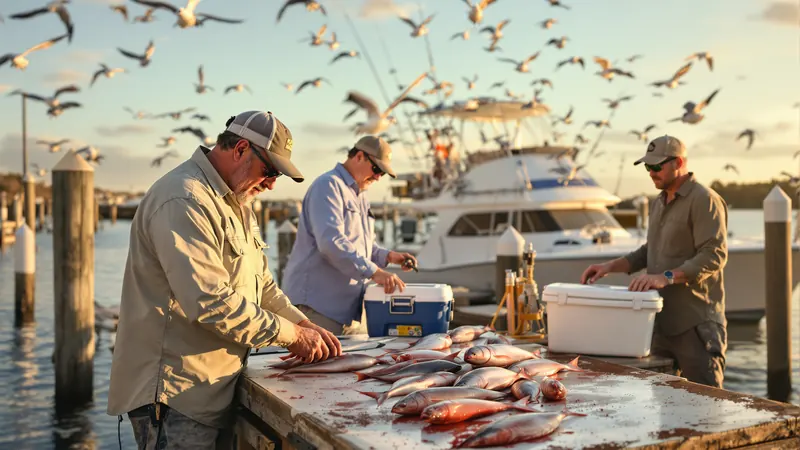
How Much to Tip Fishing Guide Crews, Captains and Mates
A plain guide for anglers on tipping after a guided trip or charter: what shapes the amount, who gets the tip on a boat with a mate, cash versus apps, and how lodges and party boats differ.
12 min read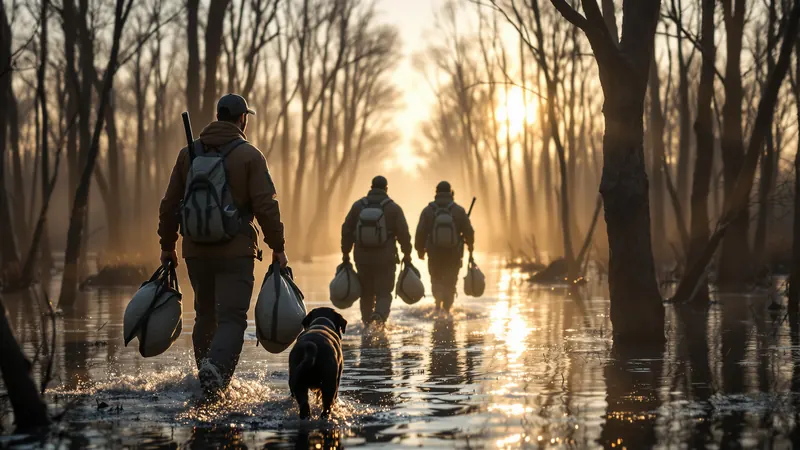
How to Get More Google Reviews for Your Outfit, the Right Way
Reviews come from a habit, not a campaign: ask every guest at the right moment, make it a two-tap job, keep staff on script and stay well inside Google's rules on incentives and selective asking.
12 min readSpend the season in the field.
Let HuntReserve run the office.
Tell us about your outfit. We'll call you, walk you through it with your own hunts and get you set up.