Home / Blog / Running your outfit
A practical build order for new outfits
How to Start a Hunting Outfitter Business, From Land Access to Your First Booked Season
The order that matters when you open an outfit: secure ground, get licensed, set up the entity and insurance, design hunts you can deliver, then book and measure your first season.
If you are working out how to start a hunting outfitter business, the honest first answer is that you are starting a land, licensing and logistics company that happens to sell hunts. The hunting is the part you already know. The rest decides if you are still open in year three.
This guide walks through the build in the order it usually has to happen: access, permits, structure, coverage, products, booking, marketing and the handful of numbers that tell you whether the first season worked.
Short answer
To start an outfitting business, secure legal hunting ground first (owned, leased or permitted public land), then get the outfitter and guide licenses your state requires, form an entity, buy liability coverage, design hunts with clear pricing and deposit rules, set up online booking and paperwork, and track bookings, costs and success rates from day one.
Step 1: Decide What Kind of Outfit You Are Building
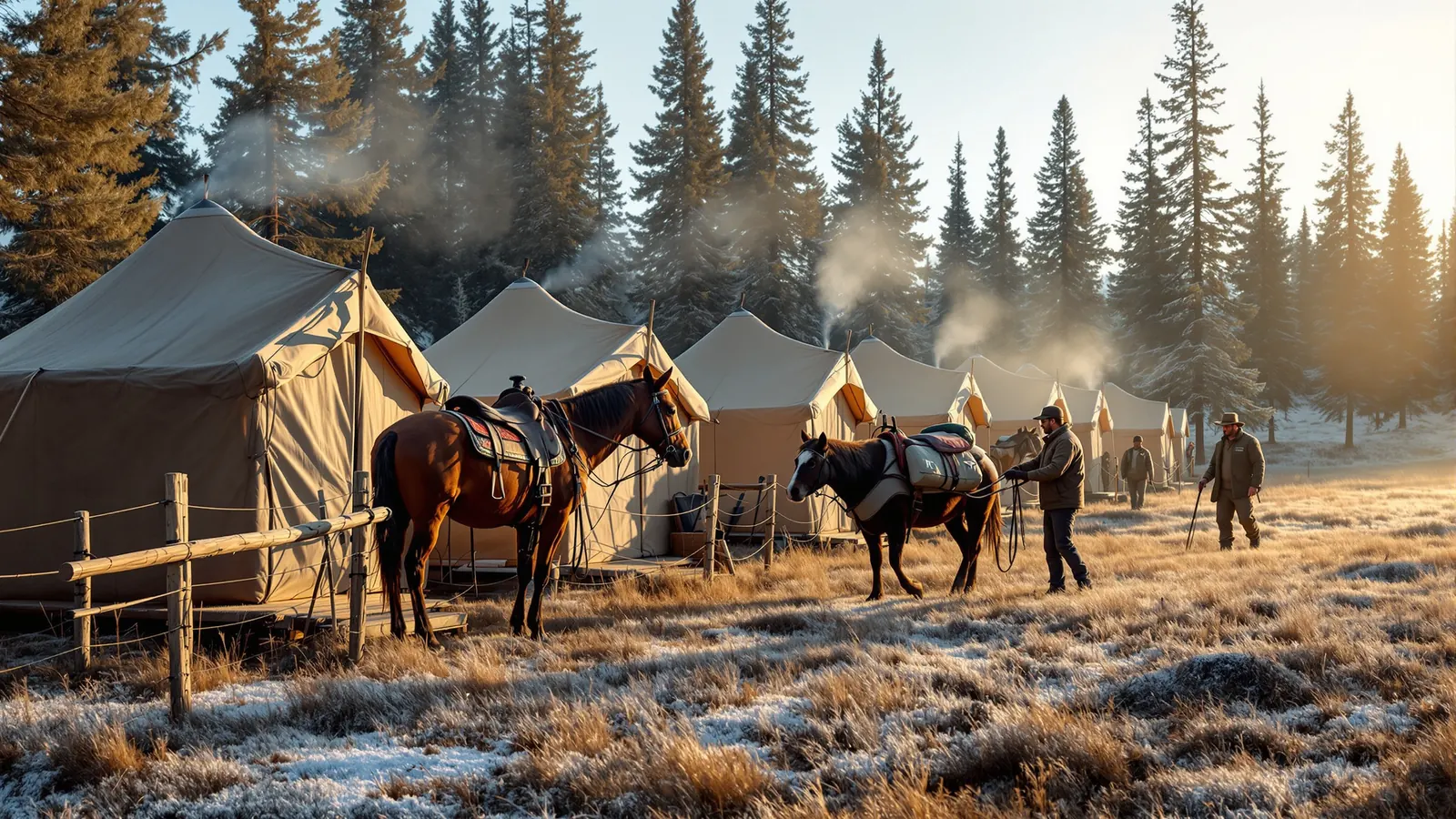
Most advice on how to start a hunting outfitter business jumps straight to licenses. The product comes first. Before you register anything, write down that product in one sentence. "Fully guided rifle elk hunts from a wall-tent camp, five days, two hunters per guide" is a business. "We guide whatever is in season" is a hobby with expenses.
The choice drives everything downstream: how much ground you need, how many guides, if you need horses and a packer, if you need a lodge or a motel deal in town, and which months your cash comes in.
Common outfit models
- Fully guided big game: one guide per one or two hunters, meals and lodging included, long multi-day hunts. High price per hunter, heavy labor, tight capacity.
- Day-hunt operations: waterfowl, dove, upland or hogs. Short hunts, many groups, fast turnover, and a calendar that fills by blind or field rather than by guide.
- Lodge-based packages: whitetail or turkey with rooms and meals, where lodging capacity is often the real limit.
- Drop camps and semi-guided hunts: you supply camp, transport and scouting help; the hunters hunt on their own. Less staff, different liability profile.
- Preserve and club models: released birds or member access on private ground, often with memberships instead of single bookings.
Pick one primary model for year one. You can add a second species or a spring turkey season once the first product runs cleanly.
Step 2: Lock Down Hunting Ground Before Anything Else
Ground is the inventory. Without dependable access you have nothing to sell, and a lease you lose in February can cancel a season you already took deposits on.
Owned land
Owning ground gives the most control over habitat work, stand placement and pressure. It also ties up the most capital and leaves you with property taxes and upkeep through the off-season.
Leased land
Most new outfits start on leases. The lease needs to say plainly that commercial guiding is allowed, who your clients can be, how many hunters at once, what structures you may build and who carries insurance. Our guide to a hunting lease agreement covers the clauses that protect an outfitter. Multi-year terms with renewal options are worth more than a cheaper single season.
Public land permits
Guiding on federal land is a permitted commercial use, not a right. The Forest Service states on its Chugach National Forest outfitting and guiding permits page that a special-use permit is required in advance of operating on National Forest System lands, along with an operating plan and proof of liability insurance. Each forest runs its own application cycle, so contact the forest where you plan to hunt.
The Bureau of Land Management uses Special Recreation Permits. Its Special Recreation Permits page asks if you charge a fee, expect a profit, pay anyone to lead or advertise, and warns not to advertise, collect fees or begin operations until you have written authorization. Read that before you print a brochure.
Step 3: How to Start a Hunting Outfitter Business With the Right State Licenses
Licensing varies more by state than any other part of this list. Some western states license outfitters and guides through a dedicated board, some fold it into the wildlife agency, and some have little or no guide licensing for certain species. You need to read your own state's rules, not a neighbor's.
Idaho is a clear example of a strict state. Its Outfitters and Guides Licensing Board, part of the Division of Occupational and Professional Licenses, issues separate outfitter, designated agent and guide licenses, and the board's page states that unlicensed outfitting and guiding are a crime under Idaho Code 36-2104.
Questions to answer with your state agency
- Does the state license the business (outfitter) separately from the individual guides?
- Are there operating areas, exclusive territories or caps on new licenses?
- What proof of insurance, bonding, first aid or exam does the application require?
- Do guides need their own license, and can a guide work for more than one outfitter?
- What records must you keep about clients, harvest and guide days?
- How long does approval take, and can you book clients before it arrives?
Our overview of hunting guide license rules by state is a good starting map, but treat the agency's own page as the final word. Build the approval time into your calendar: if licensing takes months, your first bookable season may be the following year.
Step 4: Form the Entity, Separate the Money, Line Up Coverage
A hunting business carries more physical risk than most small companies: firearms, tree stands, horses, boats, ATVs, cold water and long drives on ranch roads. The structure you choose decides how far that risk can reach.
The SBA's guide to choosing a business structure explains that a sole proprietor can be held personally liable for the business's debts, that an LLC protects owners from personal liability in most instances, and that a corporation offers the strongest protection but costs more to form and needs more record-keeping. Many small outfits look hard at an LLC for that reason. Confirm the right fit for your situation with an attorney and a CPA.
Set up in this order
- Register the entity and get an EIN.
- Open a business bank account and run every deposit, refund and fuel receipt through it.
- Get quotes for general liability, guide or professional liability, auto, and any livestock or watercraft coverage. Our outfitter insurance guide breaks those coverages down.
- Decide how guides are paid and classified before hiring; see independent contractor vs employee for the tests.
- Have an attorney in your state review your waiver and booking terms.
Landowners and federal permits often ask for a certificate of insurance naming them as additional insured, so get your agent's answer on that early.
Step 5: Design Hunts You Can Deliver Every Single Time
A hunt product is a promise. Write each one so a stranger could read it and know exactly what happens from arrival to departure, and price it so that the hunt still makes money when the weather goes wrong.
Pricing structures and when each fits
| Structure | Best for | Watch out for |
|---|---|---|
| Per hunter, per day | Waterfowl, dove, hogs, upland | Groups that shrink at the last minute |
| Package per hunter (multi-day) | Elk, mule deer, whitetail with lodging | Lodging and meal costs creeping up |
| Flat rate per group or blind | Private duck blinds, small camps | Overloaded blinds when groups add friends |
| Base price plus trophy fee | Ranch whitetail, exotics | Disputes over scoring and wounded game |
Price each product from the bottom up: guide pay, food, lodging, fuel, lease cost per hunter day, processing, insurance spread across the season, payment processing, and the marketing cost of finding the hunter. Then decide how many guide days the season really holds. Our post on how much hunting guides make covers guide pay structures.
Write down what is and is not included
Licenses and tags, processing, taxidermy, airport pickup, alcohol, tips and extra days all cause arguments if they are vague. List them on the hunt page and in the confirmation.
Step 6: Set Up Booking, Deposits and Paperwork Before the First Inquiry
New outfits often run their first season on texts, a notebook and a stack of paper waivers. It works until two groups get promised the same weekend or a hunter shows up without a license.
Decide your rules now and write them into the booking flow:
- How much deposit secures a date, and when the balance is due.
- What happens to the deposit if the hunter cancels, and what happens if you cancel. Our posts on the non-refundable deposit and a written cancellation policy go deep on this.
- Which documents every hunter must complete: waiver, license, hunter education card, emergency contact.
- Whether some hunts require your approval before booking, such as private-land trophy hunts.
HuntReserve was built for this stage. Your hunts go on a booking page with photos, what is included and price; hunters pick dates, party size and add-ons and pay a deposit into your own Stripe account. Each hunter in the party registers, signs your waiver and uploads a license photo from a phone, and the balance is invoiced automatically before the hunt. The full list is on our features page, and the big game outfitter software page shows how it fits a multi-day camp.
Step 7: Market the First Season Without Wasting It
The first season is short on reviews, photos and past hunters, so marketing has to lean on clarity and reach.
- A real website with one page per hunt. Price, dates, what is included, lodging, and a booking button. See what an outfitter website needs.
- A Google Business Profile with accurate categories, photos of camp and ground, and seasonal hours.
- Your own network. People who have hunted with you as friends are your first clients and your first referrals.
- One or two shows, chosen for where your hunters live, not where you hunt.
- Photo discipline. Get permission and take good field photos every day of the season. They are next year's marketing.
The bigger plan, including SEO, AI search, reviews and email, is in our hunting marketing guide.
Step 8: How to Start a Hunting Outfitter Business That You Can Measure
The most useful habit in year one is recording the same few numbers for every hunt. They tell you what to raise, what to drop and where next year's hunters will come from.
| Metric | Why it matters |
|---|---|
| Inquiries by source | Shows which marketing actually produces hunters |
| Inquiry to booking rate | Low rates point to price, response speed or unclear hunt pages |
| Hunter days sold vs available | Your real capacity use, by week |
| Revenue and direct cost per hunt | Which products earn money and which only keep guides busy |
| Harvest and opportunity by hunt | Honest success rates you can publish and defend |
| Cancellations and no-shows | Tests if your deposit and policy are working |
| Rebooking and referrals | The cheapest bookings you will ever get |
In HuntReserve the Harvest Log keeps species, location and guide with season totals and success rates, and expenses roll into profit and loss by month and by hunt. Whatever you use, review the numbers after the season while the details are fresh.
First-Season Mistakes That Cost New Outfits
Most first-year problems are not about hunting skill. They come from promises the business side could not keep.
- Selling more hunter days than the ground can hold. Pressure on a small lease shows up by the second week. Set a daily limit per hunt type and stick to it.
- Taking deposits with no written policy. If the cancellation terms only exist in a phone call, every dispute becomes your word against the hunter's, and the card issuer will usually side with the paperwork.
- Paper waivers in a truck. They get wet, lost or left unsigned by the fourth hunter in the group. Collect them before arrival.
- No plan for meat, hides and capes. Hunters care what happens after the shot. Set up processing and taxidermy arrangements before the season, and tell hunters how it works.
- Guides who were never briefed on the policies. A guide who promises a free return hunt after a slow week has just changed your pricing.
- Slow replies. An inquiry answered two days later has often booked somewhere else.
None of these need a big budget to fix. They need decisions made in writing before the first hunter arrives, and a system that holds them for you when camp gets busy.
A Realistic First-Year Calendar
The calendar is the least glamorous part of how to start a hunting outfitter business, and the part most often skipped. Timing trips up new outfitters more than money. Licenses, leases and permits each have their own clock, and hunters book months ahead for big game.
- Twelve or more months out: settle the model, secure ground, start state licensing and any federal permit application.
- Nine months out: entity, bank account, insurance quotes, waiver and terms reviewed by an attorney.
- Six to nine months out: hunt pages live, booking and deposits working, Google profile verified, first inquiries answered the same day.
- Three months out: guide schedule, camp gear, processing and taxidermy arrangements, hunter paperwork reminders.
- Season: daily photos, harvest records, quick fixes.
- After the season: review requests, the numbers above, and rebooking offers to every hunter who had a good time.
When you are ready to put the booking, paperwork and marketing side in place, get started with HuntReserve. Opening Day is $159/mo with a custom website up to five pages, and the hunting outfitter software page shows the rest.
Frequently asked questions
Do you need a license to be a hunting outfitter?
In many states, yes, and in some the business and each guide need separate licenses. Idaho, for example, treats unlicensed outfitting and guiding as a crime. Other states have lighter rules for certain species or private land. Check with your state wildlife agency or outfitter licensing board before you advertise or take money.
Can you guide hunters on public land?
Only with the right permit. National forests require a special-use permit before you operate commercially, and BLM land uses Special Recreation Permits. Each forest or field office has its own application process and timeline, and they usually require an operating plan and proof of liability insurance. Apply well before the season you want to sell.
Should a hunting outfitter be an LLC?
Many small outfits choose an LLC because, according to the SBA, it protects owners from personal liability in most instances while staying simpler than a corporation. It is not a substitute for insurance or a well-drafted waiver. This is general information; ask an attorney and a CPA which structure fits your state, partners and tax picture.
How do new outfitters find their first hunters?
The part of how to start a hunting outfitter business that pays off fastest is your own network. Start with people who already know your ground and your standards, then add a clear website with a page per hunt, a verified Google Business Profile, and one or two shows near where your target hunters live. Answer every inquiry quickly, collect photos all season, and ask happy hunters for reviews and referrals.
What should a hunting outfitter track in the first year?
Track inquiries by source, how many turn into bookings, hunter days sold against capacity, revenue and direct cost per hunt, harvest and opportunity rates, cancellations, and how many hunters rebook or refer friends. Those numbers show which hunts to keep, which to reprice and which marketing to cut.
Sources
- U.S. Small Business Administration: Choose a business structure
- Idaho DOPL: Outfitters and Guides Licensing Board
- USDA Forest Service, Chugach NF: Outfitting and Guiding Permits
- Bureau of Land Management: Special Recreation Permits
Rules, fees and policies change. This guide was checked against the official sources above in October 2026. It is general information, not legal, tax or insurance advice: confirm the current details with the agency or a licensed professional before you rely on them.
Keep reading
More from the HuntReserve blog
Hunting Guide License Requirements: Six States Checked at the Source
Guide licensing is set by each state, and the rules differ more than most people expect. Here is what six agencies require, plus the federal permit many guides forget.
12 min read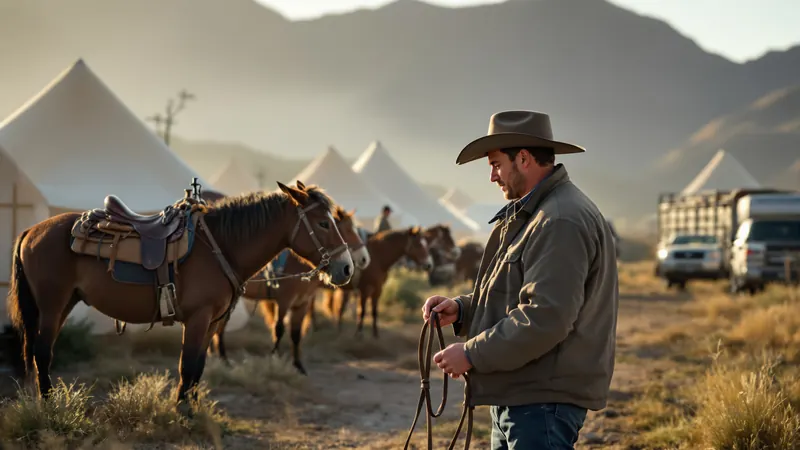
Outfitter Insurance: The Coverages a Guide Service Actually Needs
A plain breakdown of the policies a hunting outfit carries, from general liability to horses, trucks, lodges and guides, plus what federal land permits require and what underwriters will ask you.
13 min read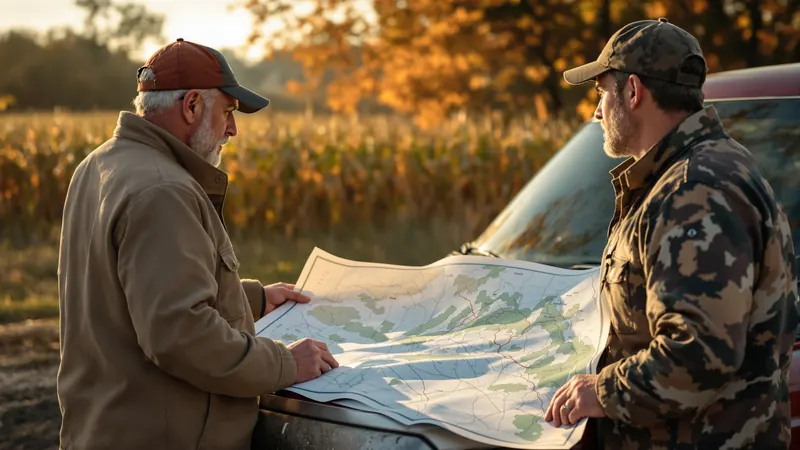
Hunting Lease Agreement: The Clauses That Protect Both Sides
Clause by clause: what a written lease for hunting rights should say about boundaries, money, guests, stands, liability and ending the deal, from the landowner side and the outfitter side.
13 min readSpend the season in the field.
Let HuntReserve run the office.
Tell us about your outfit. We'll call you, walk you through it with your own hunts and get you set up.