Home / Blog / Running your outfit
Running your outfit: risk and coverage
Outfitter Insurance: The Coverages a Guide Service Actually Needs
A plain breakdown of the policies a hunting outfit carries, from general liability to horses, trucks, lodges and guides, plus what federal land permits require and what underwriters will ask you.
Outfitter insurance is not one policy. It is a stack of coverages that has to match how your outfit really runs: who drives the truck to the lease, whose horses carry the elk quarters, who owns the lodge, and if your guides are on payroll or paid by the hunt.
This guide walks through each layer, what it is for, where gaps usually hide, and what a federal land manager will ask to see before your permit is signed. It is general information, not insurance or legal advice. A licensed insurance agent who writes outdoor recreation risks is the person who should place and confirm your coverage.
Short answer
Most hunting outfitters carry commercial general liability (often with professional or guide liability built in), commercial auto, property coverage for the lodge and gear, livestock or equine coverage if they run horses, and workers compensation for employees. Operations on National Forest land must also meet the permit's insurance terms, including naming the U.S. Government as additional insured.
Start with a map of your risks
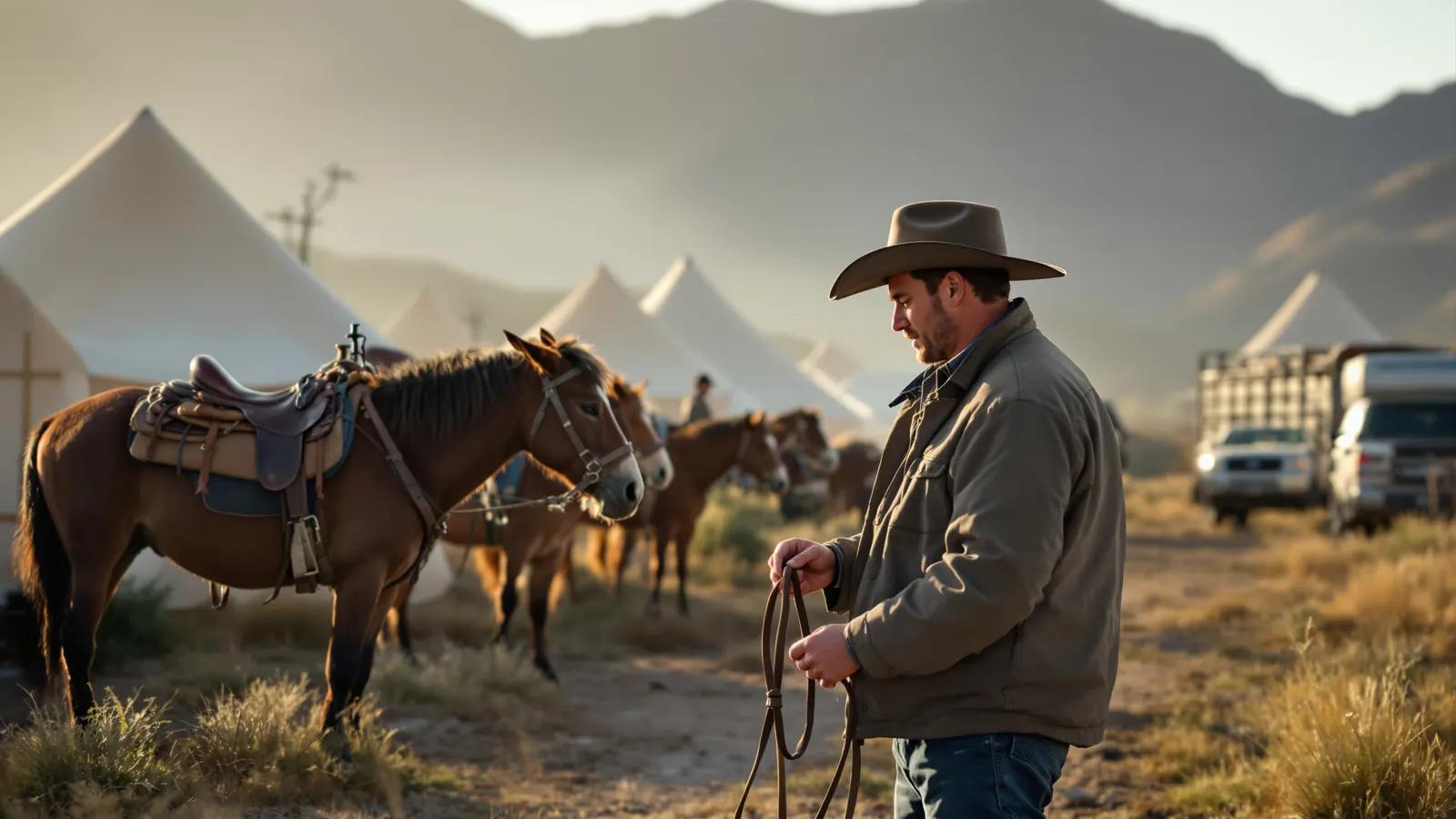
Before calling an agent, write down every way a guest or worker could get hurt or property could get damaged on one of your hunts. That list becomes the map for your coverage. A whitetail operation with ladder stands, a bunkhouse and two side by sides has a very different exposure from a backcountry elk outfit with a pack string and a wall tent camp.
Outfitter insurance gets priced and written around that list, so the more complete it is, the better the fit. Think in four buckets:
- People who pay you. Hunters and observers who fall from a stand, get kicked by a mule, roll an ATV or get sick at camp.
- People who work for you. Guides, packers, cooks, wranglers and the neighbor kid who helps drag deer.
- Things you own or use. Trucks, trailers, boats, UTVs, horses, the lodge, freezers, blinds and the camp kitchen.
- Land you hunt on. Leased ground, a landowner's ranch, state ground or a national forest, each with its own contract or permit terms.
Good outfitter insurance covers each bucket with a specific policy, and the policies are written so they do not leave holes between them. The most common gap is not a missing policy. It is an activity the policy does not describe, like guided hog hunts at night added two seasons after the application was filled out.
The coverage stack, policy by policy
Here is how the main lines fit together. Names differ by carrier, and some carriers bundle several of these into one outfitter or recreation package.
| Coverage | What it answers | Questions to ask your agent |
|---|---|---|
| Commercial general liability | Bodily injury and property damage claims from guests and the public tied to your operations | Are guided hunting activities named? Are firearms, archery and tree stands excluded? |
| Professional or guide liability | Claims that a guide's decisions or instruction caused harm | Is it included in the general liability form or a separate endorsement? |
| Commercial auto | Vehicles used to move hunters, gear and game | Are hired and non-owned autos covered when a guide drives a personal truck? |
| Recreational vehicles and UTVs | Off-road machines used on hunts | Are guests allowed to drive, or only staff? |
| Livestock or equine | Mortality of your animals and liability from riding and packing | Is guest riding covered, and does the liability side follow the pack string onto federal land? |
| Property and inland marine | The lodge, outbuildings, contents and portable gear such as tents, stoves and optics | Is gear covered off premises at a spike camp? |
| Workers compensation | Injuries to employees | What does your state require, and how are seasonal guides classified? |
| Umbrella or excess | Limits above the primary policies | Which underlying policies does it sit over? |
No two outfits buy outfitter insurance in exactly the same shape, and that is the point of walking the table line by line with an agent. Two smaller lines are worth asking about as well: liquor liability if the lodge serves alcohol, and coverage for guests' property in your care, such as rifles stored in the gun room overnight.
Gaps that show up after the season starts
Most coverage problems are not discovered at renewal. They show up in October, when the operation has quietly changed and the policy has not. A few patterns are worth checking against your own outfitter insurance before opening day:
- New hunt types. You added spring turkey, night hog hunts or a fishing trip on the lake, but the policy still describes a fall deer operation.
- New ground. A neighbor offered another two thousand acres on a handshake, and nobody told the agent or asked the landowner what they expect for insurance.
- Borrowed equipment. A guide brings his own UTV or boat, and it is unclear whose auto or watercraft policy responds if a client is hurt in it.
- Guests doing staff work. A returning hunter offers to drive the side by side to pick up the party, or helps hang stands in the summer.
- Food and lodging. You started serving dinner and a drink at the lodge, or rented the bunkhouse to a wedding party in the off season.
None of these are rare, and none are a problem when the agent hears about them first. Keep a running note through the year of anything new, and send it along before you take the first deposit for the new hunt. A short email that says "we are adding guided hog hunts on the river tract starting in March" is the cheapest outfitter insurance fix there is.
The same note helps when you price the new hunt. Coverage costs are part of what a hunt really costs to run, alongside guide pay, feed, fuel and processing.
Guides, employees and workers compensation
Who is an employee changes your outfitter insurance picture more than almost anything else. If guides are on payroll, workers compensation is usually where an on the job injury gets handled. If guides work as independent contractors, the carrier will want to know whether they carry their own coverage and if your contract requires it.
Workers compensation for private businesses is a state matter. The U.S. Department of Labor's workers compensation page explains that its federal programs cover federal workers and a few specific groups, and that private sector workers should contact their state workers compensation board. Rules on who must be covered, seasonal exemptions and agricultural carve outs differ from state to state, so check with your state board before the season, not after a guide breaks an ankle on a scree slope.
Classification is its own topic with its own tests. Our post on independent contractor vs employee status for guides covers how the IRS and Department of Labor look at it. For insurance purposes, the practical steps are simple:
- Keep a current roster of every guide, packer and camp hand, with start and end dates for the season.
- Collect a certificate of insurance from any contractor who brings their own truck, boat, dogs or horses.
- Tell your agent about family members who help during peak weeks. Carriers ask, and unpaid help is still a risk.
Federal land: what a Forest Service permit requires
If you guide on National Forest System land, your outfitter insurance has to satisfy the special use permit, and the Forest Service will not sign that permit until it does. Requirements are set forest by forest, so the exact limits come from the unit you work on. Two published examples show how specific they get.
The Eldorado National Forest outfitting and guiding page says permit holders must carry appropriate liability insurance, publishes minimum limits by activity, and requires that the policy name the U.S. Government as additional insured. Its table lists $500,000 for saddle and pack stock outfitting and guide service. It also says that if a policy lets legal defense costs reduce the remaining limits, the authorized officer will require a higher limit.
The Lassen National Forest special uses page adds paperwork detail: policies must be written on an occurrence format, the endorsement must name the U.S. Government as additional insured, the policy must give the Forest Service 30 days written notice of cancellation and 10 days for non-payment, and all insurance documents must arrive no less than 45 days before the activity starts.
What that means for your renewal
- Ask if the liability policy is occurrence or claims made, and whether defense costs erode the limit.
- Have the agent issue the additional insured endorsement in the wording your forest asks for, not a generic certificate.
- Put the certificate due date on the calendar the same day you renew, with a buffer for the mail and the permit administrator's desk.
The national Forest Service outfitting and guiding page links the directives and a directory of individual forest permit pages. Start there, then call the permit administrator for your district, and send that conversation straight to the agent who handles your outfitter insurance.
Where waivers fit next to outfitter insurance
A signed waiver and outfitter insurance do different jobs. The policy pays for a defense and covered claims. The waiver is a contract with the hunter that documents the risks they accepted and, in many states, may limit what they can claim. Neither replaces the other, and carriers often ask if you use one.
Federal land adds a twist. The Eldorado page states that appropriately worded acknowledgement of risk forms are acceptable, but it does not permit waiver of liability forms for guiding where a guide has full custody and control of clients. If you work on a national forest, ask your permit administrator which form language is allowed before you print a season's worth of paper.
For what a hunting waiver should say, see our guide to the hunting liability waiver. For the practical side, HuntReserve lets you upload your own waiver so every hunter in the party signs on screen before arrival and gets a copy by email, and hunters under 18 sign with a parent or guardian co-signing on the same form. Your agent may ask how you store signed waivers; a dated, searchable record per hunter is a better answer than a shoebox in the truck, and it supports any outfitter insurance claim that follows an incident.
What underwriters ask before they quote
Outfitter insurance is underwritten on detail, and an application that reads like a brochure tends to get a policy that fits a brochure. The more clearly you describe the operation, the fewer surprises there are at claim time. Expect questions like these, and have the answers written down before the call:
- Which species and methods you guide: rifle, archery, muzzleloader, shotgun, hounds, bait (where legal), spot and stalk.
- How many hunters per season and how many hunter days, by hunt type.
- Where you operate: private land you own, leased land, landowner partnerships, state land, federal permits.
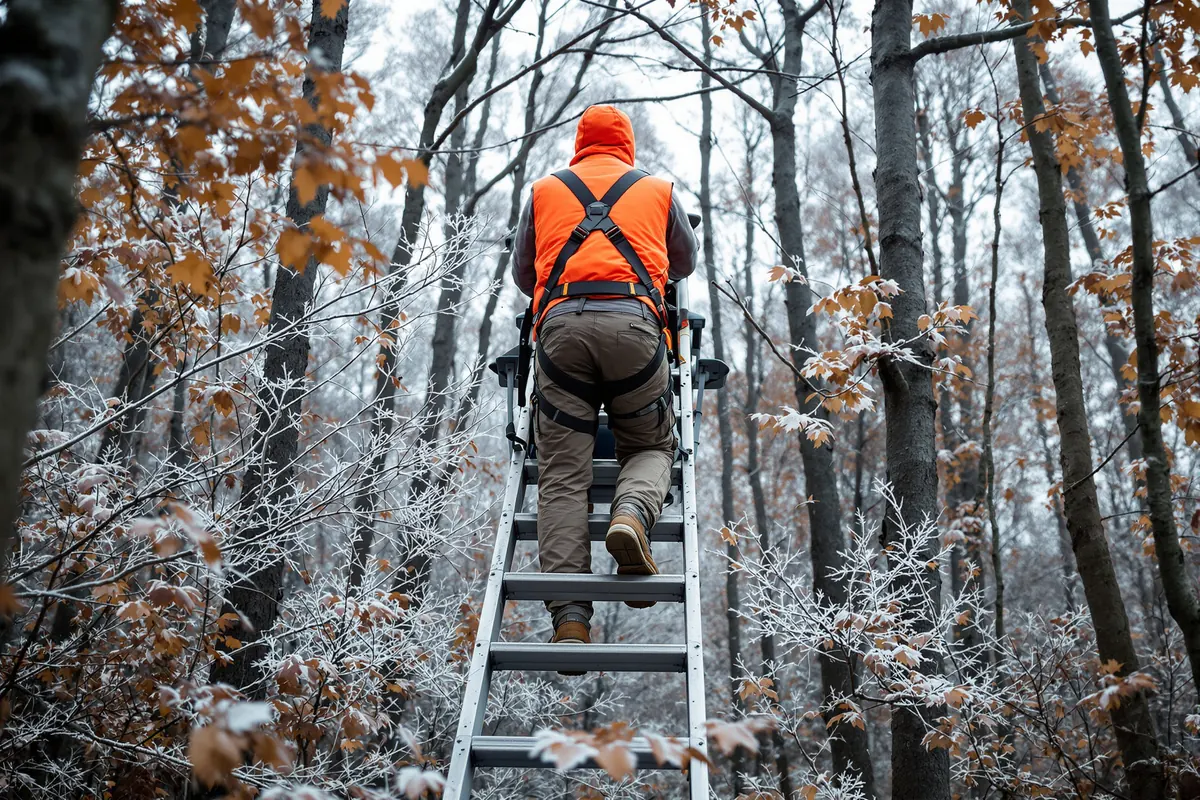
- Whether the outfit uses tree stands, raised box blinds or ground blinds, and who installs and inspects them.
- Whether guests ride horses, drive UTVs, run boats or handle dogs.
- Lodging: owned lodge, rented cabins, tent camps, and whether meals and alcohol are served.
- Your safety program: briefings, blaze orange rules, harness rules, first aid training and an emergency plan.
- Your claims history and any incidents, even ones that never became a claim.
Underwriters also like evidence. A written pre-hunt safety briefing, a current emergency plan, and signed waivers for every hunter show an operation that manages risk instead of hoping for good weather.
Records that support outfitter insurance at claim time
Outfitter insurance only pays out cleanly when the facts are easy to establish. When something goes wrong on a hunt, the adjuster will ask who was there, what they signed, what they were told and what happened next. Most outfitters can answer from memory. Few can answer from records, and memory gets weaker after a long season.
Build the habit of keeping these per hunt:
- The roster of every hunter and observer in the party, with contact details.
- The signed waiver for each person, including guardian co-signatures for minors.
- A photo of each hunter's license or tag, where your state or species requires one.
- Which guide was assigned, which stand, blind or field was used, and the date.
- Notes on any incident, written the same day, with names of witnesses.
HuntReserve keeps this tied to the booking. Every hunter registers from a link the lead hunter shares, fills in their details, signs the waiver and uploads a license photo from their phone. The Check-In Board shows who has registered, signed, uploaded a license and paid, with one-click reminders for anyone missing. At a camp with no signal, Camp Mode on a tablet captures waivers, guardian signatures and license photos offline and syncs them when you are back in range. You can see the full list on our features page.
A yearly outfitter insurance review checklist
Treat outfitter insurance like the truck: an annual inspection before the busy season, not a repair after a breakdown. A simple routine:
- Ninety days before renewal: update your operations description. New species, new leases, a new lodge, added horses or a boat all belong in it.
- Sixty days out: pull your hunter counts and hunt days from last season so the exposure figures are accurate.
- Forty five days out: confirm what each landowner lease and federal permit requires for limits, additional insured wording and cancellation notice.
- At renewal: read the exclusions page with your agent. Ask directly about firearms, tree stands, animals, watercraft and guest driven vehicles.
- After renewal: send certificates to landowners and permit administrators, and update your waiver if the agent or attorney suggests wording changes.
Leased ground has its own wrinkle: many landowners ask to be named as additional insured. Our post on hunting lease insurance explains how that coverage differs from what an outfitter carries.
If you run guided big game hunts from a lodge, our big game outfitter software page shows how bookings, waivers and payments live in one place, which makes the renewal paperwork faster. When you are ready to set it up, get started with HuntReserve.
Frequently asked questions
How much does outfitter insurance cost?
Premiums depend on the species you guide, hunter days, horses, vehicles, lodging, where you operate, limits and claims history, so there is no single price that applies to every outfit. A licensed agent who writes outdoor recreation risks can quote after reviewing your operation. Accurate exposure figures, like hunters per season and hunt days, help get a realistic quote.
Do hunting guides need their own insurance?
It depends on how they work. A guide on an outfitter's payroll is usually covered under the outfitter's policies and workers compensation where required. An independent guide running their own clients generally needs their own liability coverage. Outfitters who use contract guides often ask for a certificate of insurance. Confirm the arrangement in writing with your agent.
Does a signed waiver replace liability insurance?
No. A waiver is a contract that documents the risks a hunter accepted and may limit claims in some states, but courts in many places will not enforce it in every situation, such as gross negligence. Insurance pays for a defense and covered claims. Carriers often expect you to use both, and some federal permits restrict waiver language.
What insurance does the Forest Service require for outfitters?
Each national forest sets minimum liability limits for the activities it permits, and the policy must name the U.S. Government as additional insured. Published examples also require occurrence policies, written cancellation notice and certificates delivered weeks before the season. Check the permit page for your forest and confirm with your permit administrator.
Does general liability cover horses and pack stock?
Not always. Many general liability forms limit or exclude claims involving animals, and mortality of the animals themselves is a separate coverage. If guests ride or you pack in camps, ask your agent for livestock or equine liability and mortality coverage, and confirm the policy follows the string onto leased and federal land.
Sources
- USDA Forest Service, Eldorado National Forest: Special Use Permits for Outfitting and Guiding
- USDA Forest Service, Lassen National Forest: Special Uses
- USDA Forest Service: Outfitting and Guide Links
- U.S. Department of Labor: Workers' Compensation
Rules, fees and policies change. This guide was checked against the official sources above in October 2026. It is general information, not legal, tax or insurance advice: confirm the current details with the agency or a licensed professional before you rely on them.
Keep reading
More from the HuntReserve blog
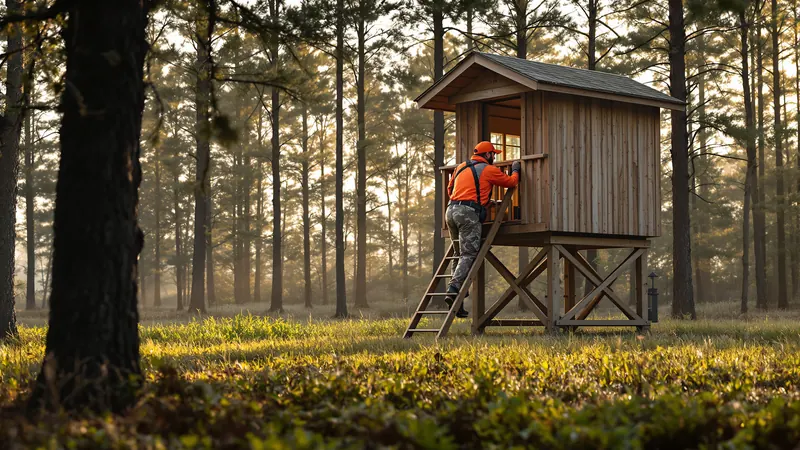
Hunting Lease Insurance: What Clubs and Landowners Should Know Before Opening Day
Who should buy liability coverage on a hunting lease, how additional insured status works, which exclusions bite (tree stands, guests, ATVs) and what to ask a licensed agent.
13 min read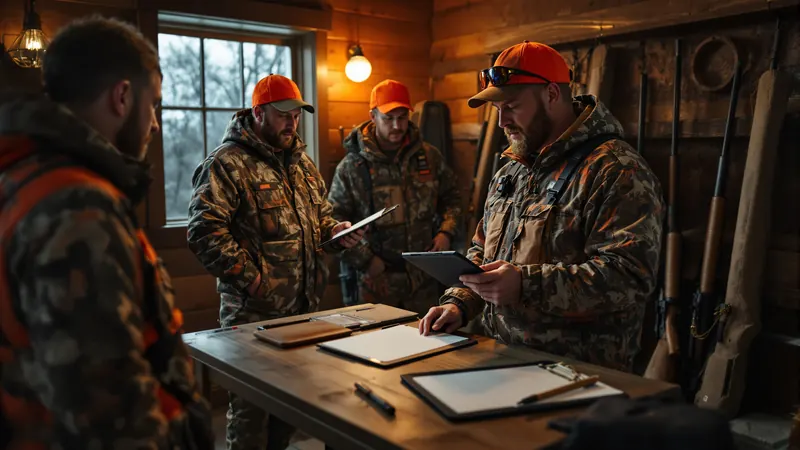
Hunting Liability Waiver: What Yours Should Cover, Clause by Clause
The hunting specific risks, clauses and signing habits that belong in an outfitter's waiver, from tree stands and firearms to minors, guardians, medical consent and how state law can change the picture.
12 min read
Charter Boat Insurance: Hull, P&I, Crew and the Fine Print Captains Miss
How a commercial charter policy is built: hull and machinery, protection and indemnity, crew injuries under the Jones Act, fuel spills, navigation limits, captain warranties and what underwriters review.
12 min readSpend the season in the field.
Let HuntReserve run the office.
Tell us about your outfit. We'll call you, walk you through it with your own hunts and get you set up.