Home / Blog / Running your outfit
Liability coverage for leased hunting ground
Hunting Lease Insurance: What Clubs and Landowners Should Know Before Opening Day
Who should buy liability coverage on a hunting lease, how additional insured status works, which exclusions bite (tree stands, guests, ATVs) and what to ask a licensed agent.
Hunting lease insurance is the liability policy that sits between a group of hunters and the landowner who lets them on the property. When a member falls from a ladder stand, a guest's stray shot hits a neighbor's barn, or a side-by-side rolls on a creek crossing, this is the coverage everyone at camp hopes is in place and written the way the lease says it should be.
This guide is for the two people on either side of the lease: the club president or lessee who usually buys the policy, and the landowner or timber manager who wants to be protected by it. It covers how the coverage is structured, where the gaps usually are, and what to put in front of a licensed agent. It does not quote premiums, because those depend on your state, your acreage and your carrier.
Short answer
Hunting lease insurance is general liability coverage bought by the hunting club or lessee to pay claims when someone is hurt or property is damaged because of hunting on leased land. The landowner is usually added as an additional insured. Check limits, tree stand rules, guest coverage and vehicle exclusions with a licensed agent.
What hunting lease insurance actually covers
At its core, hunting lease insurance is commercial general liability shaped for recreational land use. It answers one question: if a third party claims your hunting activity hurt them or damaged their property, who pays for the defense and any settlement? The policy is about other people's injuries and property, not your own gear, trucks or camp house.
A typical lease liability form responds to claims like a neighbor whose cow was shot, a landowner's employee hurt by a falling limb you cut, or a visitor injured on a club-built bridge. Whether a specific situation is covered depends entirely on the wording of the form, so treat the table below as a map of questions, not answers.
| Situation | Usually the question to ask |
|---|---|
| A neighbor's livestock or building is hit by a shot from the lease | Is third-party property damage covered when the shooter is a member? A guest? |
| A non-member (logger, surveyor, landowner's family) is hurt by something the club built | Are club-built structures (stands, bridges, shooting houses) included? |
| A member is hurt and sues another member | Is there a cross-liability or member-to-member exclusion? |
| A fire starts from a burn pile or a camp heater | Is fire legal liability included, and does it extend to the landowner's timber? |
| Someone is hurt on a side-by-side or ATV | Are motorized vehicles excluded, and is a separate policy needed? |
| A guest of a member is injured or causes injury | Are guests insureds, covered parties, or excluded entirely? |
Medical payments coverage is sometimes offered as an add-on. It pays small medical bills regardless of fault, which can keep a minor injury from turning into a lawsuit. Ask whether it is available and whether it applies to members, guests or only the public.
Who buys it: the club, the landowner, or both
On most leases the lessee buys the hunting lease insurance. That is the hunting club, the group of friends leasing the back forty, or the outfitter who controls the hunting rights. The landowner then asks to be named on it. This arrangement makes sense because the hunters create the hunting risk, and the landowner wants proof that the people walking around with rifles carry their own coverage.
Landowners still need to look at their own coverage. A farm or ranch policy may or may not respond to injuries tied to leasing the hunting rights, and some forms exclude business use of the land. If you lease ground to hunters, call your own agent and ask a direct question: does the current policy cover claims arising from a hunting lease, and if not, what endorsement would?
When the roles blur
- Family land with a paying club: the family's farm policy and the club's lease policy may both get pulled into a claim. Make sure the two agents know about each other.
- Timber company ground: large landholders often set the insurance terms in the lease itself, including the minimum limit and the exact name to list as additional insured. Read that section before you shop.
- A lessee that subleases or runs paid hunts: once you sell hunts to the public, you are operating an outfitting business, and a lease policy alone is usually the wrong fit. More on that below.
Additional insured status, in plain terms
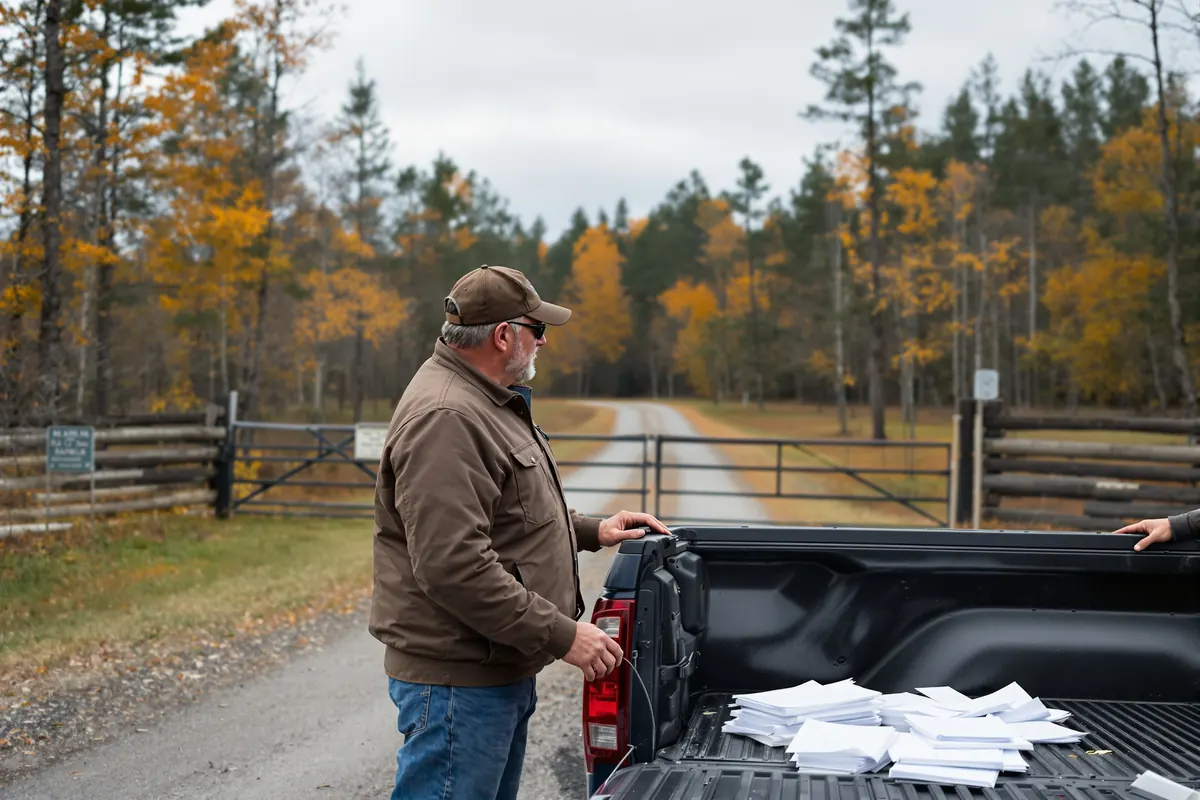
Being an additional insured means the landowner is protected under the club's policy for claims arising from the club's activities, without having bought the policy. If a member's guest is hurt and sues both the club and the landowner, the landowner can ask the club's carrier to defend them.
Two documents get confused here, and it matters which one you have.
- Certificate of insurance: a one-page summary showing that a policy exists, the limits and the dates. By itself it does not change the policy or give the landowner any rights.
- Additional insured endorsement: the actual change to the policy that adds the landowner. This is what creates coverage. Landowners should ask to see the endorsement wording, or at least confirm the certificate references it.
Get the name exactly right. If the land is owned by a family LLC or a trust, the endorsement should list that entity, not just the person who signs the lease. Timber companies frequently list a parent company and subsidiaries, and they will reject a certificate that names the wrong one.
Related terms you will see in a lease
- Primary and noncontributory: the club's policy pays first, before the landowner's own insurance is touched.
- Waiver of subrogation: the club's carrier gives up the right to come after the landowner to recover what it paid.
- Notice of cancellation: a promise to tell the landowner if the policy lapses mid-season.
Not every hunting lease insurance form offers all three. If your lease requires them and the quote does not include them, raise it with the agent before the first payment, not after a claim.
Setting limits without guessing
The limit is the most the carrier will pay for a claim (per occurrence) and in total for the policy period (aggregate). Many leases name a minimum. If yours does, that number is the floor. If it does not, the right limit is a judgment call you make with an agent, based on what you could lose.
Factors that push toward a higher limit:
- More members and more guests on the property each season.
- Rifle hunting near roads, homes or neighboring pasture.
- Club-built structures: raised shooting houses, bridges, a skinning shed with a hoist.
- A camp where people stay overnight, cook and run heaters.
- Youth hunters in the group, who need closer supervision.
- Water on the property (ponds, sloughs, a river boundary).
An umbrella policy can sit on top of the lease policy and add limit for a large claim. Some clubs carry one; some landowners require it. Ask the agent whether an umbrella from the same carrier is available and whether it follows the lease policy's exclusions.
Avoid picking a limit because another club down the road uses it. Their acreage, membership and activities are not yours.
Tree stands, guests, vehicles: the exclusions to read twice
On a hunting lease insurance policy, the declarations page tells you the limits. The exclusions tell you whether the policy will respond to the accidents that actually happen at deer camp. Read them with the club's real habits in mind.
Ladder stands, hang-ons and shooting houses
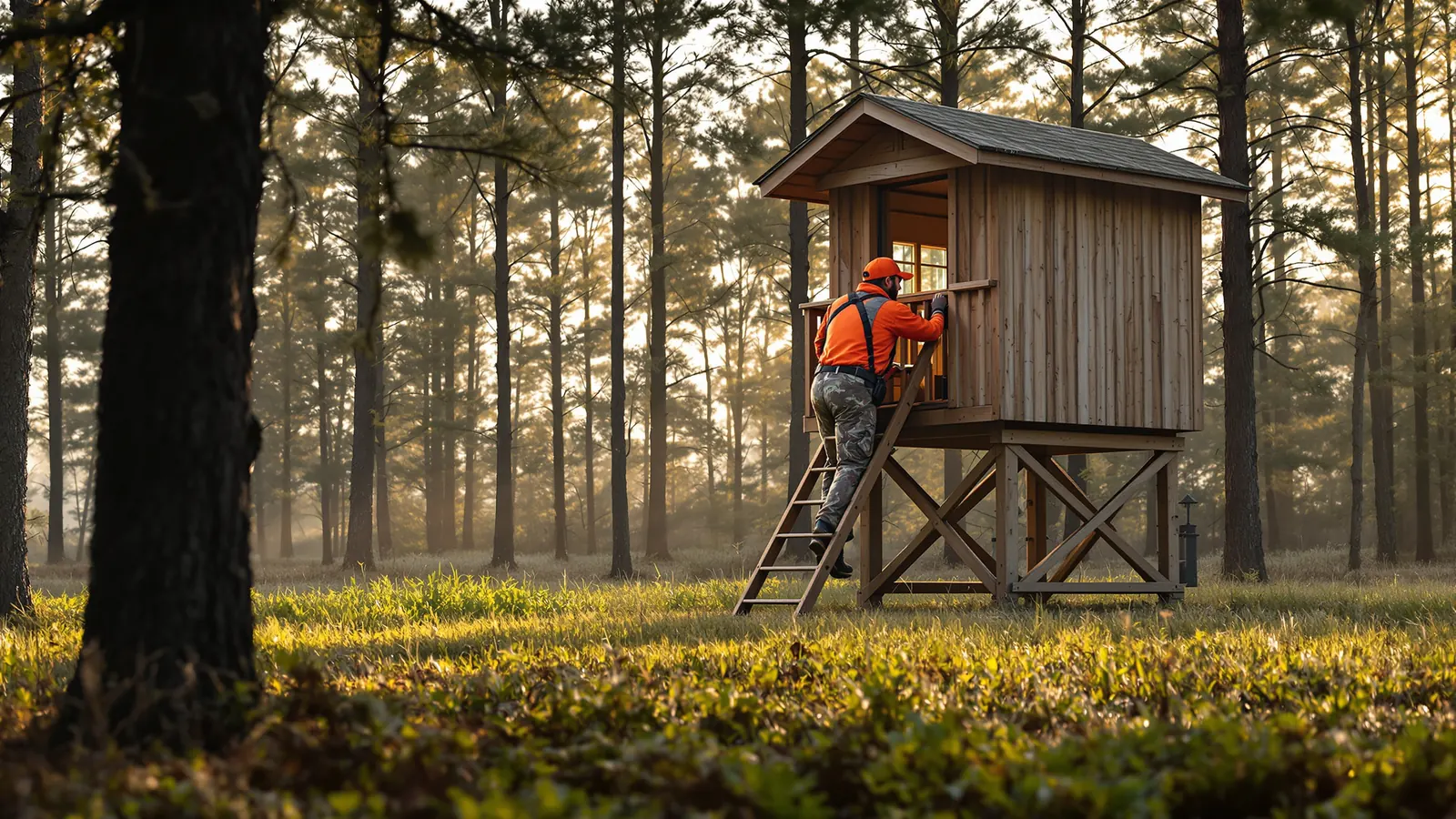
A fall from a ladder stand or hang-on can cause serious injury, and insurers price that risk carefully. Some forms limit coverage tied to stands, require safety harness use, or treat stands the club built differently from commercial stands. If a requirement exists, put it in the club rules and the member agreement so it is followed, not just filed.
Guests
Guest rules are where clubs get surprised. Some policies cover members only. Others cover guests when a member is present. Others list guests as covered parties but not as insureds, which affects who is defended. Match the guest section of your club bylaws to the policy, and track who was actually on the property each day.
ATVs and side-by-sides
Motorized vehicles are commonly carved out of general liability forms. If your club uses side-by-sides to pull hogs, haul feed or reach the back stands, ask the agent how vehicle use is handled and whether a separate policy is needed.
Other activities on the lease
- Target shooting or a sighting-in range.
- Fishing, swimming or boating on ponds.
- Controlled burns, chainsaw work and food plot tillage.
- Dogs (hog dogs, bird dogs, tracking dogs).
- Selling hunts, even a single day hunt to a friend of a friend.
Each of these can fall outside a basic lease form. List what your club really does and ask about each one in writing.
Recreational use statutes and why a paid lease changes things
Many states have a recreational use statute that limits a landowner's liability when people use the land for recreation. The catch is that many of these laws were written for free access, and charging a fee can change the protection. The details vary by state, which is one reason landowners should not rely on the statute alone.
Two examples from extension programs show how much the rules differ. Ohio State's agricultural law program explains that Ohio's recreational user protection generally does not apply when a landowner charges a hunter a fee, but that a payment made under a hunting lease is an exception, so the protection can still apply. The same summary notes that the protection does not cover harm caused by intentional or reckless conduct. See the Ohio State Farm Office tips for hunting season.
In Maryland, the University of Maryland's agricultural law program explains that a landowner who charges a fee is not able to benefit from the recreational use law, and describes a 2017 amendment stating that a hunter on another's property is responsible for his own safety. Read the University of Maryland summary on hunting lease liability.
The takeaway: a paid lease may or may not keep the landowner inside the statute, depending on the state. That is exactly why hunting lease insurance and a clear lease agreement matter. Ask an attorney in your state how your recreational use law treats lease income.
Hunting lease insurance vs outfitter insurance
The two get mixed up because both protect people who hunt on someone else's land. The difference is who is hunting and whether hunts are being sold.
| Lease liability | Outfitter coverage | |
|---|---|---|
| Who hunts | Members of a club or a named group, plus guests if allowed | Paying clients, often strangers, plus guides |
| Who buys it | Club or lessee | The outfitting business |
| Main exposure | The property and activities on it | Professional services: guiding, transport, lodging, meals |
| Typical extras | Additional insured landowner, structures, fire | Guide liability, commercial auto, workers comp, lodge property, permit requirements |
If you start selling hunts on leased ground, tell the agent before the first paying hunter arrives. A policy written for a members-only club is unlikely to fit a commercial operation. The full picture of outfitter coverages is in our post on outfitter insurance. If you are moving from a club to a paid operation, the software for ranches, preserves and clubs page shows how the booking side changes.
Questions to bring to a licensed agent
An agent who writes hunting lease insurance regularly will know the carriers that accept this risk in your state. Bring the lease and your club rules, and ask these in writing.
- Does the policy cover members, guests, or both, and who counts as an insured?
- Are ladder stands, hang-ons and shooting houses covered, and are there harness or inspection conditions?
- Are club-built structures (shooting houses, bridges, sheds) covered?
- Is there a member-to-member or cross-liability exclusion?
- How are ATVs, side-by-sides and trailers handled?
- Is fire legal liability included, and does it reach the landowner's timber or crops?
- Can the landowner be added by endorsement, and can you include primary and noncontributory wording and a waiver of subrogation if the lease requires them?
- Does the policy cover all tracts on the lease, including tracts added mid-season?
- What happens if the club sells a hunt or lets a guide bring clients?
Then compare the answers to your lease. The insurance section of the lease and the policy should say the same thing. Our guide to the hunting lease agreement covers how that section and the indemnity clause are usually written.
This is general information, not insurance or legal advice. Coverage depends on the actual policy form and your state, so confirm everything with a licensed insurance agent and, for lease terms, an attorney.
Keeping hunting lease insurance useful all season
Hunting lease insurance only helps if the club can show who was on the property and that they agreed to the rules. That is a records problem, and it is where many clubs are weakest: a paper sign-in sheet at the gate, a stack of waivers in someone's truck, guest names in a group text.
A simple routine helps:
- Before the season: renew the policy, send the new certificate to the landowner, and update the member list.
- For every member and guest: a signed waiver and acknowledgment of club rules (stand safety, guest limits, vehicle rules) on file before they hunt.
- Every hunt day: a record of who was on the property.
- After any incident: notes, photos and the agent's number, the same day.
HuntReserve was built for outfitters, but the same tools fit a lease club.
Memberships handle dues and a ledger for each member. Members and their guests sign the club's own release on a phone before they set foot on the property, a parent adds a signature for a teenager, and a single board tells the president who still owes paperwork. If you run a deer club, the whitetail outfitter software page shows the stand maps and harvest log. For forming the club itself, see how to start a hunting club, and when you are ready to set up dues and waivers, get started.
Frequently asked questions
Does a landowner need hunting lease insurance if the club already has a policy?
The landowner usually does not buy a separate lease policy, but should be named as an additional insured on the club's policy by endorsement, and should ask their own agent whether their farm, ranch or timber policy responds to claims tied to leasing the hunting rights. Some landowner policies exclude business use of the land, so a call to the agent is worth it before the lease is signed.
Is hunting lease insurance the same as a hunting club policy?
Often yes. Many carriers write one liability form for clubs and lease groups, and the name varies. What matters is the wording: who counts as an insured, whether guests are covered, how tree stands and vehicles are treated, and whether the landowner can be added. Compare the policy form, not the product name.
Does the policy cover a member who falls from a tree stand?
Usually the policy is built for claims by third parties, so a member's own injury may not be covered, and some forms exclude or limit stand-related claims. Ask the agent directly how member injuries and stand falls are handled, and whether a medical payments option is available. Also make sure the club's waiver and stand rules are signed by every member.
Can a hunting lease policy cover paid hunts?
Usually not. A members-only lease form is written for recreational use by a defined group. If you start selling hunts, guiding clients or letting a guide bring paying hunters onto the lease, you are running a commercial operation and need coverage written for that. Tell your agent before the first paid hunt.
What should a certificate of insurance show the landowner?
The insured club's name, the carrier, the policy number, the policy dates, the limits, and the landowner's exact legal name listed as additional insured, ideally with a reference to the endorsement. If the lease requires primary and noncontributory wording or a waiver of subrogation, the certificate should mention those too. Ask for the endorsement itself if anything is unclear.
Sources
- Ohio State University Farm Office: Ten legal tips for the fall hunting season
- University of Maryland Agriculture Law Education Initiative: New law reduces liability exposure for landowners with hunting leases
Rules, fees and policies change. This guide was checked against the official sources above in October 2026. It is general information, not legal, tax or insurance advice: confirm the current details with the agency or a licensed professional before you rely on them.
Keep reading
More from the HuntReserve blog
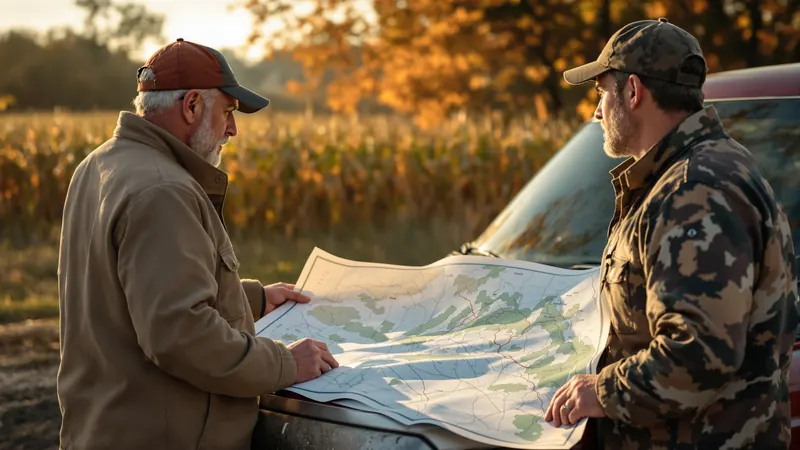
Hunting Lease Agreement: The Clauses That Protect Both Sides
Clause by clause: what a written lease for hunting rights should say about boundaries, money, guests, stands, liability and ending the deal, from the landowner side and the outfitter side.
13 min read
Outfitter Insurance: The Coverages a Guide Service Actually Needs
A plain breakdown of the policies a hunting outfit carries, from general liability to horses, trucks, lodges and guides, plus what federal land permits require and what underwriters will ask you.
13 min read
How to Start a Hunting Club That Members Still Like in Five Years
A club lives or dies on its paperwork: who belongs, what dues cover, who signs the lease, how stands are assigned and where the money goes. Here is how to set that up.
12 min readSpend the season in the field.
Let HuntReserve run the office.
Tell us about your outfit. We'll call you, walk you through it with your own hunts and get you set up.