Home / Blog / Running your outfit
Members, money, ground and rules
How to Start a Hunting Club That Members Still Like in Five Years
A club lives or dies on its paperwork: who belongs, what dues cover, who signs the lease, how stands are assigned and where the money goes. Here is how to set that up.
Most guides on how to start a hunting club stop at "find some buddies and lease some ground." That part is easy. The hard part comes in the third season, when a member brings his brother-in-law to the best stand on opening morning and nobody can find the rule that says he can't.
A club is a small business with a shared checkbook, a landlord and a dozen opinionated owners. The work below is about writing the decisions down before they become arguments.
Short answer
Start with a founding group that agrees on purpose and budget, then adopt written bylaws, set dues from the real cost of the lease, insurance and upkeep, choose a legal structure such as an LLC or nonprofit corporation, sign the lease in the club's name, buy liability coverage, and publish clear rules for guests, harvest and stands.
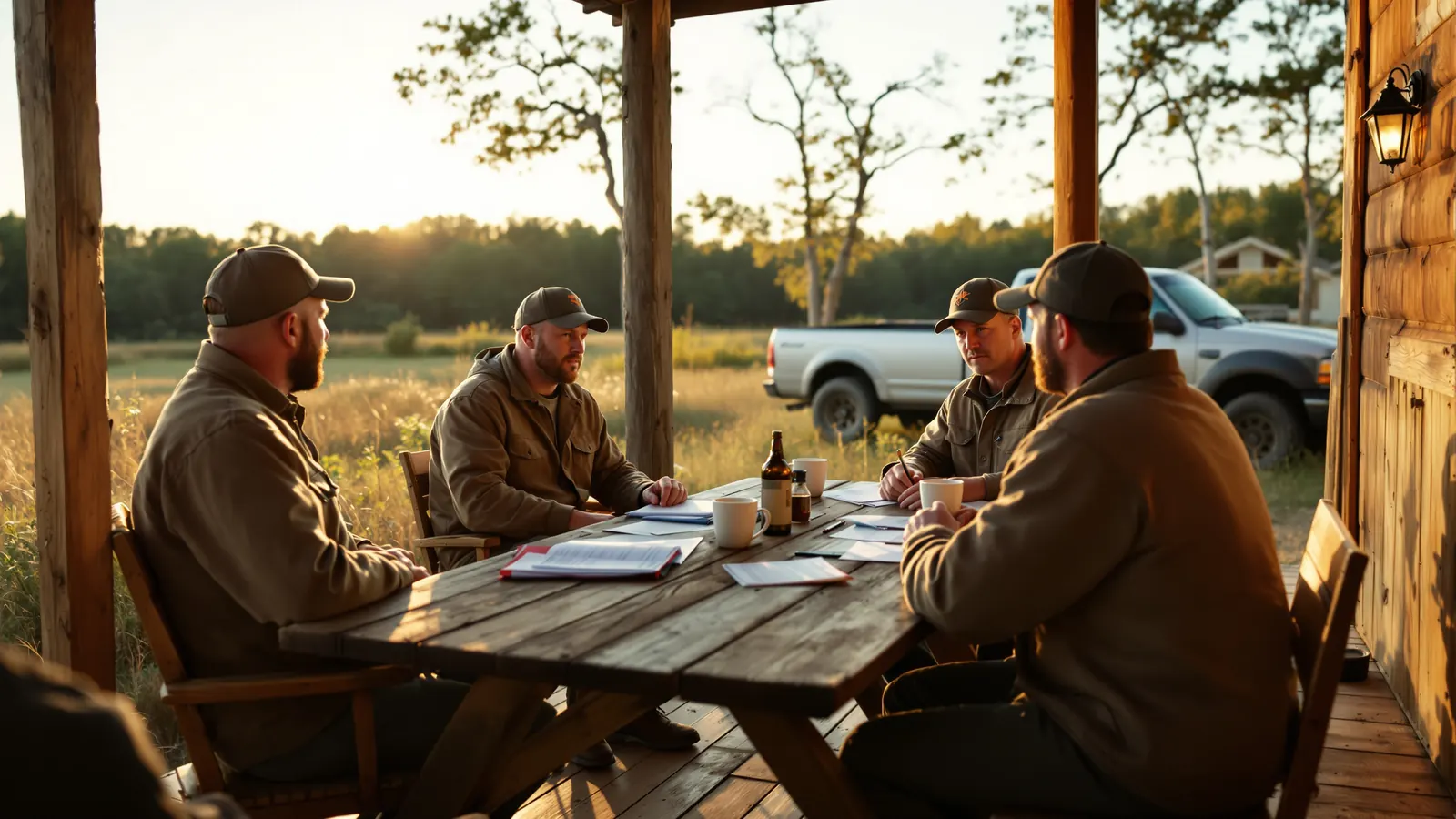
Start With the Founding Meeting, Not the Land
Groups that go looking for ground first usually end up arguing about it later. Sit the founding members down and settle a few questions before anyone calls a landowner.
Questions for the first meeting
- What is the club for? Deer and turkey on one lease, a duck club with a few permanent blinds, a mixed small-game club, or a family camp.
- How many members? The ground and the game set this, not the budget. Too many members on too few acres is the most common reason clubs split.
- What can each member realistically pay each year, including surprise assessments when the lease goes up or the camp roof leaks?
- Who will do the work? Someone has to keep the books, deal with the landowner, run the work days and chase late dues.
- What kind of hunting culture do you want? Trophy-focused, meat-focused, youth-friendly, quality deer management, or relaxed.
Write the answers down and have every founder initial them. That one page becomes the backbone of the bylaws.
How to Start a Hunting Club on Paper: the Bylaws
Bylaws are the rules for running the club itself. They do not need legal flourishes; they need to be clear enough that a new member can read them and know where he stands.
Articles most hunting club bylaws include
- Name, purpose and the property or properties the club hunts.
- Membership classes (full, family, junior, associate) and the maximum number of each.
- How new members are proposed, voted on and admitted, and whether there is a waiting list.
- Dues, due dates, late penalties and how assessments are approved.
- Officers, their duties, terms and how they are elected.
- Meetings, notice, quorum and voting.
- Discipline, suspension and expulsion, with a fair hearing step.
- Resignation and whether any dues are refunded when someone leaves.
- What happens to club property and money if the club dissolves.
- How the bylaws themselves are amended.
Keep hunting rules (stands, guests, harvest) in a separate rules document the members can change by simple vote each year. Bylaws should be harder to change than the rule about how early you sign in on the stand board.
Choosing a Structure: Informal Group, LLC or Nonprofit
Many clubs start as an informal group where one member signs the lease and collects everyone's money. That member then carries the personal risk if something goes wrong, which is a lot to ask of a friend.
| Structure | How it works | Things to weigh |
|---|---|---|
| Informal association | No filing; members agree among themselves | Unclear who is liable or who owns the gear; hard to sign a lease or open a bank account cleanly |
| LLC | Registered with the state; members are owners | Liability shield for members in most cases; simple to run; ask a CPA how it will be taxed |
| Nonprofit corporation | Registered with the state; board and members | Fits a member-owned social club model; may seek federal tax exemption |
The 501(c)(7) social club question
Some member-run clubs seek recognition as tax-exempt social clubs. The IRS page on social clubs under section 501(c)(7) says the club must provide an opportunity for personal contact among members, membership must be limited, and it must be supported by membership fees, dues and assessments. The same page says a club may receive up to 35 percent of gross receipts from nonmember sources, and that within that, no more than 15 percent may come from nonmember use of club facilities and services.
That matters if you plan to sell guest days or rent the camp to outsiders. Clubs applying for recognition under 501(c) categories other than (c)(3) and (c)(4) use Form 1024, which the IRS says must be filed electronically through Pay.gov. This is general information only; have a CPA or attorney review your plan before filing anything.
Finding Ground and Making the Landowner Pitch
Landowners lease to clubs for a mix of reasons: income, someone keeping an eye on the place, fewer trespassers, help with fences and roads. The pitch should speak to those, not only the check.
Where clubs find ground
- Farmers and ranchers the members already know, including family land that is not hunted hard.
- Timber company and investment land leasing programs, which often run their own application process.
- County extension agents, farm supply stores and local real estate agents who hear when land changes hands.
- Clubs that are breaking up or downsizing.
What to bring to the first conversation
- A one-page summary of the club: members, structure, rules, safety standards.
- Proof the club will carry liability insurance and name the landowner as additional insured.
- A proposed member limit and guest policy, so the landowner knows how many trucks will come through the gate.
- An offer to help with specific chores: gates, mowing, hog trapping, posting boundaries.
- References from a past landowner if any member has one.
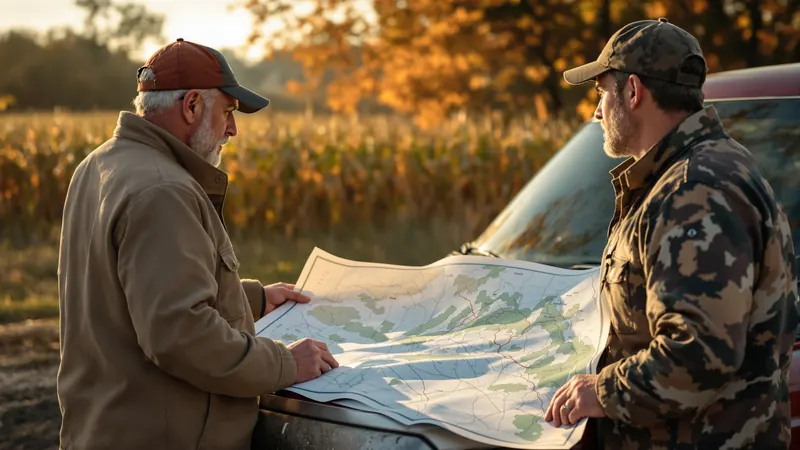
Walk the property before you agree on price. Count realistic stand sites, check road access in wet weather and ask about neighbors, cattle schedules and any other hunting rights already granted.
Recruiting Members and Handling the Ones Who Leave
Membership is the part of how to start a hunting club that people underestimate. You are choosing people you will share a camp, a checkbook and a sign-in board with for years.
Bringing new members in
- Require a sponsor who already belongs and will vouch for the candidate's safety and conduct.
- Invite candidates to a work day before a vote. How someone works on a food plot says a lot.
- Give every new member the bylaws and rules in writing and have them sign that they read them.
- Keep a waiting list in order, with dates, so nobody can claim they were skipped.
When members leave
Members move, age out, or simply stop enjoying it. Decide in advance whether dues already paid are refunded in part, whether a departing member can sell or transfer a spot (most clubs say no), and when the next person on the waiting list must commit. A member who leaves on bad terms over money can poison the whole camp, so put the answer in the bylaws before anyone asks.
Removal for safety or rule violations needs a written process: notice, a chance to respond, and a vote. Follow it every time.
Securing the Lease and Insurance in the Club's Name
Once the structure exists, the club (not a member) should be the tenant. A lease signed by the entity makes it clear that the agreement belongs to the group and survives a member leaving.
Lease points a club should push for
- A term longer than one season, with a written renewal option and notice period.
- A clear map of boundaries, gates, roads and off-limits areas like cattle pastures or the homestead.
- Which species and methods are allowed, and whether guests and youth are permitted.
- Permission for stands, blinds, feeders, food plots and a camp, and who owns them at the end.
- Insurance requirements, including additional insured status for the landowner.
Our article on the hunting lease agreement walks through each clause, and hunting lease insurance explains how a club policy usually works and who buys it. Ask a licensed agent to review limits and exclusions such as tree stand falls and guests; do not assume a member's homeowner's policy covers a club.
How to Start a Hunting Club With Rules People Follow
Rules work when they are short, posted where members see them and enforced the same way for everyone, including officers.
Guests
Decide how many guest days each member gets, which weekends are blacked out (opening weekend is the usual one), whether guests must hunt with the sponsoring member, and whether a guest can come back the next year without joining. Every guest should sign the club's hunting liability waiver before setting foot on the property.
Harvest limits
Many clubs set limits tighter than state law: antler restrictions, a cap on bucks per member, or a requirement to take does before a second buck. Write them down, and record every harvest so the limits can be checked rather than remembered.
Stand and blind assignments
- Assigned stands: each member has his own area. Simple and peaceful, but the best spots become permanent property.
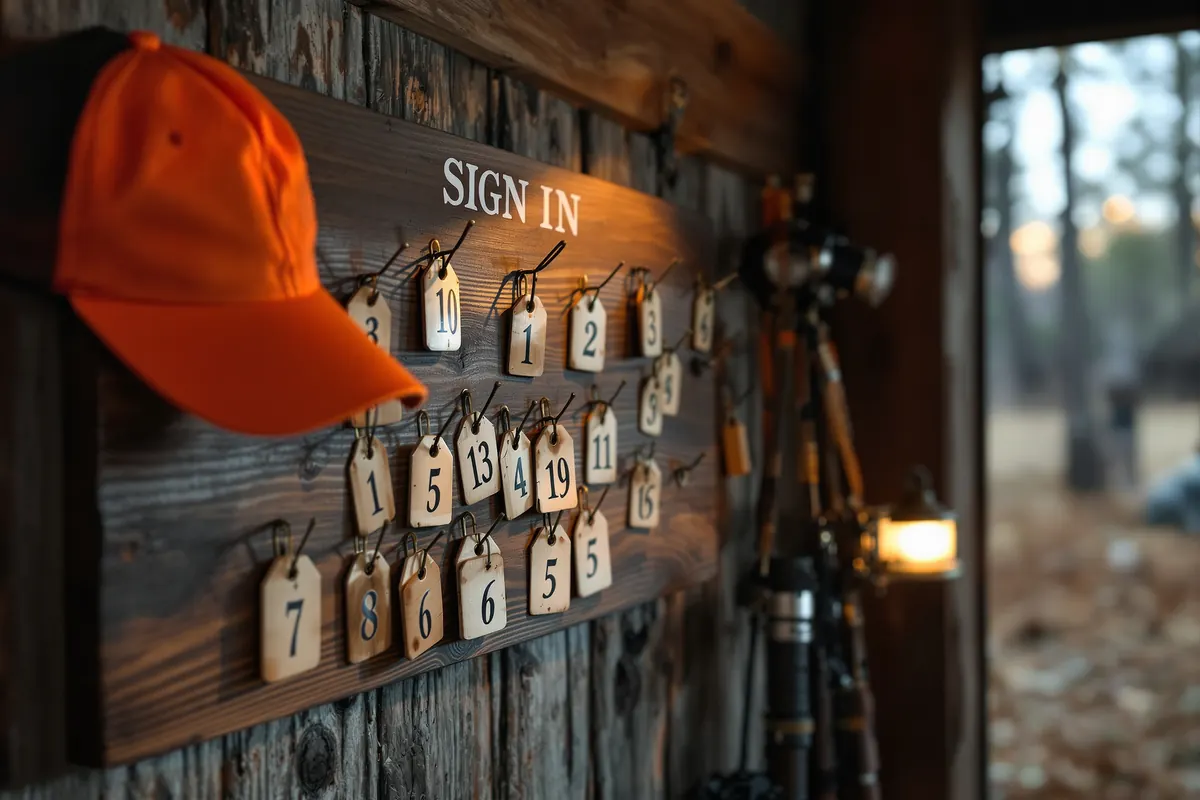
- Sign-in board or draw: first come first served, or a nightly draw. Fairer, but needs one place everyone checks.
- Rotation: stands rotate weekly or by day so everyone gets time on the good ones.
Safety and conduct
Include blaze orange requirements, harness use in tree stands, no loaded firearms in vehicles or camp, alcohol rules, and how members report a hunter in their area.
Dues, Budget and the Treasurer's Books
Dues that only cover the lease leave the club short every spring. Build the budget line by line and divide by members.
| Cost line | Notes |
|---|---|
| Lease payment | Check whether it is due in one payment or installments |
| Liability insurance | Quote it before you set dues |
| Food plots and habitat | Seed, fertilizer, lime, equipment time; see food plots |
| Stands, blinds, feeders | Replacement and safety straps on a schedule |
| Roads, gates, locks | Gravel, culverts, mowing |
| Camp utilities and upkeep | Power, water, propane, repairs |
| Entity and filing costs | State fees, accountant, tax filings |
| Reserve | A cushion so one bad year does not trigger an emergency assessment |
Put the due date and late penalty in the bylaws and send reminders well before the lease payment is due. A club that pays the landowner late once may not get the lease renewed.
Records the treasurer should keep
Most club fights are about money or harvest, so keep both in writing and visible to members.
- A separate bank account in the club's name, never a member's personal account.
- A ledger per member: dues billed, paid, late fees, assessments and credits.
- Receipts for every expense, organized by category and season.
- Signed waivers for members and guests, kept where officers can find them.
- Harvest records by member, species, date and area.
- Minutes of meetings and every vote that changed a rule.
If the club pursues tax exemption, the IRS social club page says clubs must keep records that separate income and expense types and retain them for at least three years from the annual return's due date, and that clubs with $1,000 or more of unrelated business gross income must file Form 990-T. Ask your accountant how that applies to guest fees or camp rentals.
Running the Club Season to Season
A good first year sets habits that carry the club for a decade.
- Spring: annual meeting, budget, dues notices, lease renewal talks, work-day schedule.
- Summer: food plots, stand maintenance, trail cameras, camp repairs, insurance renewal.
- Before opening day: rules review, waivers signed, guest calendar set, youth hunt plans (see our youth hunt guide).
- Season: sign-in, harvest records, quick fixes, incident reports if anything goes wrong.
- Post-season: harvest summary to members, landowner thank-you, membership changes and waiting list.
Officers who rotate
Clubs that depend on one founder for everything tend to wobble when that person gets tired or moves. Rotate the secretary and work-day roles, keep the books in a shared system rather than one laptop, and make sure at least two officers can see the bank account and the lease. Hand over passwords and landowner contacts in writing whenever an officer changes.
Share the harvest summary with the landowner. It shows the club manages the ground seriously, which helps at renewal time.
Software for Running a Club Once It Grows
Small clubs run fine on a spreadsheet for a while. The trouble starts when dues are late, two members claim the same stand, and the waivers are in someone's truck.
HuntReserve supports memberships for clubs, leases and season passes, with dues and a ledger for each member. Members and guests sign waivers on screen, and anyone under 18 signs with a parent or guardian co-signing on the same form. Property maps hold your fields, blinds and stands, the Hunt Calendar can set daily limits and blackout days, and the Harvest Log keeps species, location and season totals.
See the ranch, preserve and club software page, or the waterfowl and whitetail versions, and browse the full feature list. If a manager or outfitter runs the club as a business, get started with us. If you are still working through how to start a hunting club, the plan above is the order that holds up.
Frequently asked questions
How many members should a hunting club have?
There is no single right number. It depends on acreage, the game you hunt, how many stands or blinds the ground supports, and how much pressure the landowner will accept. Start smaller than the budget suggests, since adding a member is easier than asking one to leave, and cap membership in the bylaws.
Should a hunting club be an LLC or a nonprofit?
Both are common. An LLC is simple to run and generally shields members from personal liability; a nonprofit corporation fits a member-owned social club and may seek federal tax exemption. The right choice depends on your state, taxes and plans for guest income. Treat this as general information and confirm with an attorney or CPA.
Can a hunting club be tax exempt?
Some clubs qualify as social clubs under section 501(c)(7). The IRS requires personal contact among members, limited membership and support mainly from dues, and caps nonmember income. Recognition is requested on Form 1024, filed through Pay.gov. A CPA can tell you if your club's guest days or camp rentals would cause problems.
What insurance does a hunting club need?
Most clubs carry a hunting lease liability policy in the club's name, often with the landowner as additional insured, and many landowners require it in the lease. Ask a licensed agent about limits, tree stand and guest exclusions, and coverage for camp buildings or equipment. A member's personal policy usually is not designed for this.
What is the first step in how to start a hunting club?
Get the founding members in a room and agree in writing on the club's purpose, size, budget and who does which job. Those answers shape the bylaws, the dues and the kind of lease you look for. Groups that skip this step often find ground they cannot afford or agree on.
Sources
Rules, fees and policies change. This guide was checked against the official sources above in October 2026. It is general information, not legal, tax or insurance advice: confirm the current details with the agency or a licensed professional before you rely on them.
Keep reading
More from the HuntReserve blog
Hunting Lease Agreement: The Clauses That Protect Both Sides
Clause by clause: what a written lease for hunting rights should say about boundaries, money, guests, stands, liability and ending the deal, from the landowner side and the outfitter side.
13 min read
Hunting Lease Insurance: What Clubs and Landowners Should Know Before Opening Day
Who should buy liability coverage on a hunting lease, how additional insured status works, which exclusions bite (tree stands, guests, ATVs) and what to ask a licensed agent.
13 min read
Food Plots for Outfitters and Lease Managers: Planning, Planting and Hunting Them
A plot that feeds deer is not always a plot you can hunt well. How to plan plantings around soil, season, stand access and the law, and keep records that pay off.
12 min readSpend the season in the field.
Let HuntReserve run the office.
Tell us about your outfit. We'll call you, walk you through it with your own hunts and get you set up.