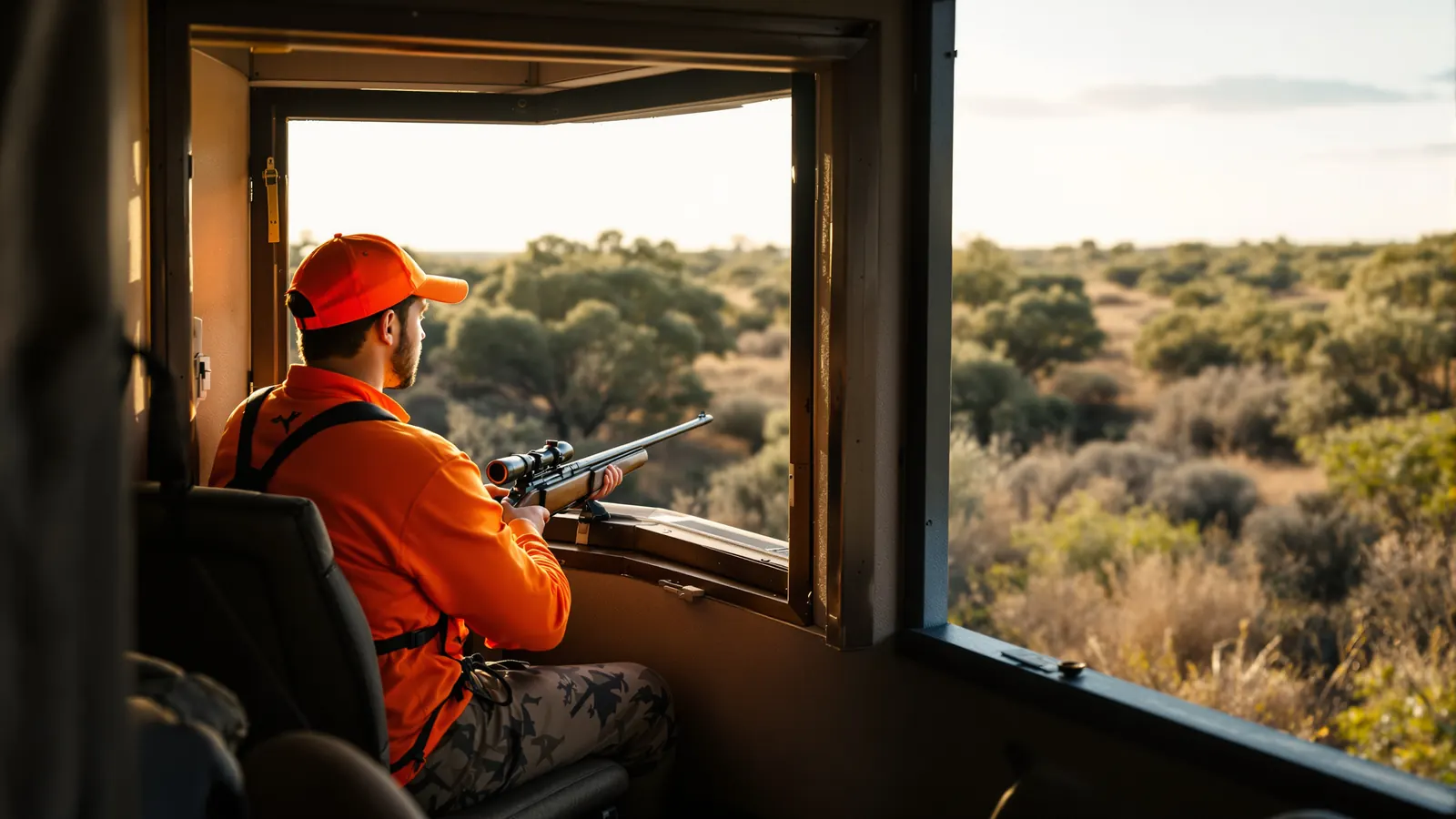
Home / Blog / By hunt type
Youth seasons, supervision and paperwork
How to Run a Youth Hunt That Brings Families Back
Youth-only seasons, apprentice licenses, hunter education, supervision ratios, guardian waivers and a day plan built around a young hunter's attention span and comfort.
A youth hunt is one of the few bookings that can pay off for decades. The twelve-year-old who shoots a first doe from a heated box blind with your guide may book with you as an adult, bring their own kids, and send their friends. It is also a different product from an adult hunt: shorter days, more supervision, stricter paperwork, and a parent watching everything your guide does.
This guide covers how outfitters plan and run hunts for young hunters: the youth seasons some states set aside, apprentice licenses and hunter education, supervision, waivers with a guardian signature, and a day plan that keeps a young hunter warm, safe and interested. Regulations change every year and differ by state, so verify everything with your wildlife agency before you book.
Short answer
To run a youth hunt, check your state's youth-only seasons and youth license rules, confirm each hunter's hunter education or apprentice status, set a close supervision ratio with an adult at every young hunter's side, collect a waiver signed by a parent or guardian, and plan a short, comfortable day.
Why a youth hunt belongs on your calendar
Youth hunts fit an outfitter's business in ways that are easy to miss.
- They fill dates adults do not want. Some states set aside youth-only days or weekends before or apart from the regular season. Those dates do not compete with your adult bookings.
- They book as families. A youth hunter rarely comes alone. A parent comes, often a sibling or a grandparent, and they need lodging and meals.
- They build long-term clients. A good first hunt can tie a whole family to your camp.
- They build your reputation locally. Parents talk to other parents at school, church and the feed store.
The trade-off is work. Every youth hunt needs more staff per hunter, more patience, and more attention to safety and paperwork than an adult hunt of the same length. Price and plan for that rather than treating a youth hunt as a discounted version of your normal hunt.
Youth-only seasons and special days: check your state
Some states set aside special seasons or days for young hunters, but the species, dates and age limits are set state by state and change each year. Texas is a useful example of how detailed this gets.
Texas Parks and Wildlife says only licensed hunters 16 years of age or younger are eligible to participate in its youth-only seasons. For the 2026-27 season, TPWD lists youth-only white-tailed deer seasons, youth-only fall and spring wild turkey seasons, an East Texas youth-only squirrel season, and youth duck days by zone. See TPWD's youth-only season rules.
| Texas youth-only season (2026-27) | Dates listed by TPWD |
|---|---|
| White-tailed deer, early | Oct. 30, 2026 to Nov. 1, 2026 |
| White-tailed deer, late | Jan. 4 to 17, 2027 |
| Wild turkey, spring, North Zone | Mar. 27 to 28, 2027 and May 22 to 23, 2027 |
| Wild turkey, spring, South Zone | Mar. 13 to 14, 2027 and May 8 to 9, 2027 |
| Ducks, special youth and veteran days, North Zone | Nov. 7 to 8, 2026 |
| Ducks, special youth and veteran days, South Zone | Oct. 31 to Nov. 1, 2026 |
The full list, including the High Plains Mallard Management Unit and zone details for deer and turkey, is on TPWD's 2026-2027 hunting season dates page. County rules can add restrictions, so check the county page for the property you hunt.
Public land can have its own youth days too. For example, Tule Lake National Wildlife Refuge in California lists a youth waterfowl hunt on September 19 and 20 for the 2026-2027 season on its refuge hunting page. If you guide near public land, know those dates even if you do not hunt there, because families will ask.
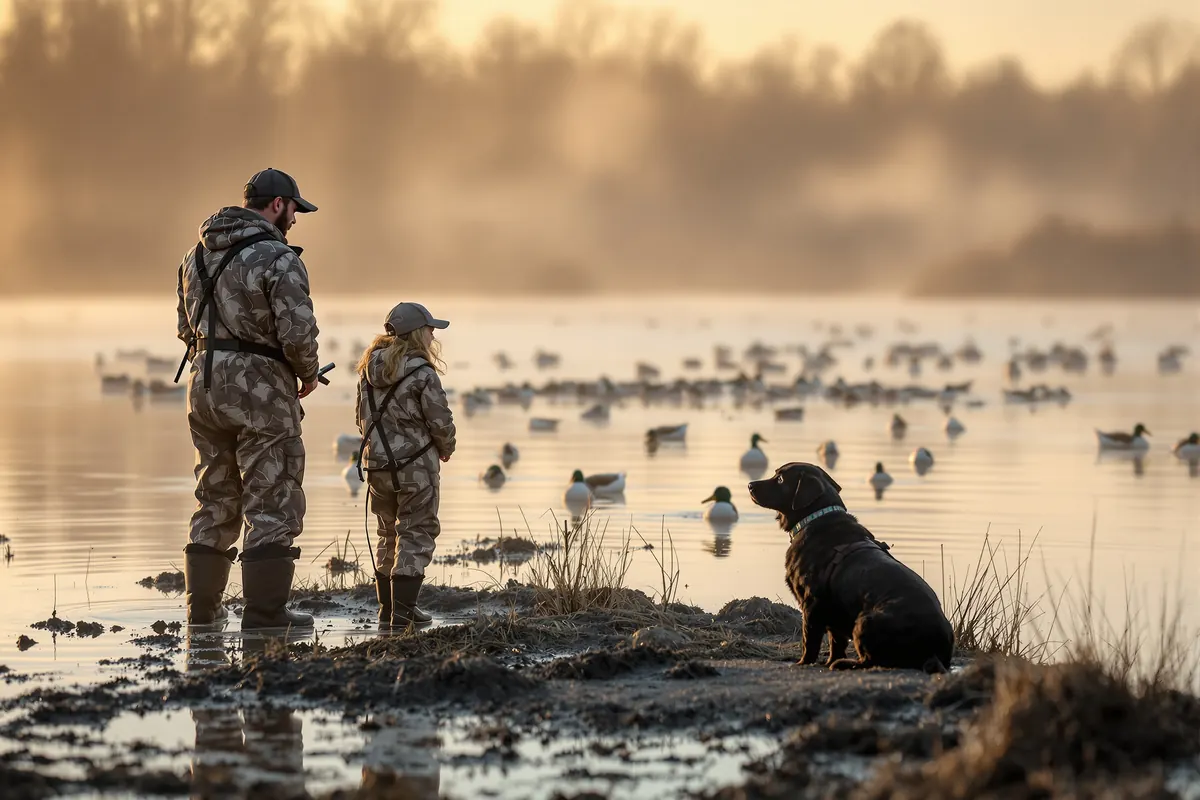
Hunter education, apprentice licenses and supervision rules
Before you take a deposit for a youth hunt, know what each young hunter needs to hunt legally in your state. The answer depends on age, residency and whether the hunter has passed hunter education.
Hunter education
States set their own minimum ages and course formats. In Texas, TPWD lists a minimum age of 9 for hunter education certification, and defines "accompanied" for hunter education purposes as within normal voice control. See TPWD's hunter education page for the full requirements, including who must be certified and the rules for hunters who are not yet certified.
Apprentice and mentored licenses
Some states offer a license that lets a new hunter try hunting under supervision before completing hunter education. Virginia's apprentice hunting license is an example: the Virginia Department of Wildlife Resources says it can be bought before completing hunter education, is good for two years, and requires the apprentice to be accompanied and directly supervised by an adult over age 18 who holds a valid Virginia hunting license. Read Virginia DWR's apprentice license page for the details.
Apprentice programs are not always limited to children; Virginia describes its license for anyone learning to hunt. The rules for youth licenses, stamps and permits vary widely. Ask each family for the hunter's age, state of residence and hunter education status at booking, and check the current rules with your state wildlife agency.
Supervision ratios: set them tighter than the law
Legal supervision rules set a floor. Your own policy should be stricter, because a guide watching two young hunters in a duck blind cannot also call birds, work the dog and keep track of every muzzle.
A practical set of camp rules:
- One adult within arm's reach of each young hunter whenever a gun is loaded. That adult can be the parent or the guide, but someone has a hand free to control the firearm.
- One shooter at a time for first-time hunters, especially in a blind or a box stand.
- The guide controls the safety and the shot call for new hunters, with the parent's agreement set before the hunt.
- Guns stay unloaded until the hunter is in position and the guide says otherwise.
Pick the right guide
Not every good guide is a good youth guide. The one who gets the most out of adult clients by pushing hard on a long sit may be the wrong match for a nervous eleven-year-old. Pick guides who are patient, explain things without lecturing, and stay calm when a young hunter fidgets, talks or misses. Ask them to coach the parent too: the parent often needs to hear that a slow morning is normal and that a miss is part of learning. Keep the same guide with the same family for the whole trip so trust builds over the weekend.
Put your youth hunt rules in writing and share them with the parent at booking. Parents of young hunters expect rules; the ones who object are worth knowing about before the hunt, not during it. For the full pre-hunt briefing, our guide to the safety briefing covers firearm handling, zones of fire and stand safety.
Getting the family ready weeks before
Most of what decides a youth hunt happens before anyone gets to camp. A short, clear pre-hunt plan with the parent prevents the common problems: a rifle the child has never fired, boots that are too small, a license that was never bought, and expectations nobody discussed.
A pre-hunt checklist to send the parent
- Confirm the young hunter's age, residency and hunter education or apprentice status, and buy the right license and any stamps.
- Book a range session. The young hunter should fire the exact firearm and load they will hunt with, from the same position (sitting, off a rest).
- Test the clothing: a cold morning in the yard in the same boots, gloves and jacket.
- Talk through what may happen: long quiet stretches, an animal that does not come in, a miss. Agree that a miss is fine.
- Agree on the rules: who calls the shot, when the safety comes off, what happens if the young hunter gets cold or bored.
Some outfitters run a practice afternoon the day before: shooting at the camp range, a walk to the blind, and a look at a mount to talk about shot placement. It turns a nervous first morning into a familiar one.
Set expectations in writing too. A description that says young hunters will see game but may not take an animal is more honest, and leads to fewer disappointed families, than one that promises a buck.
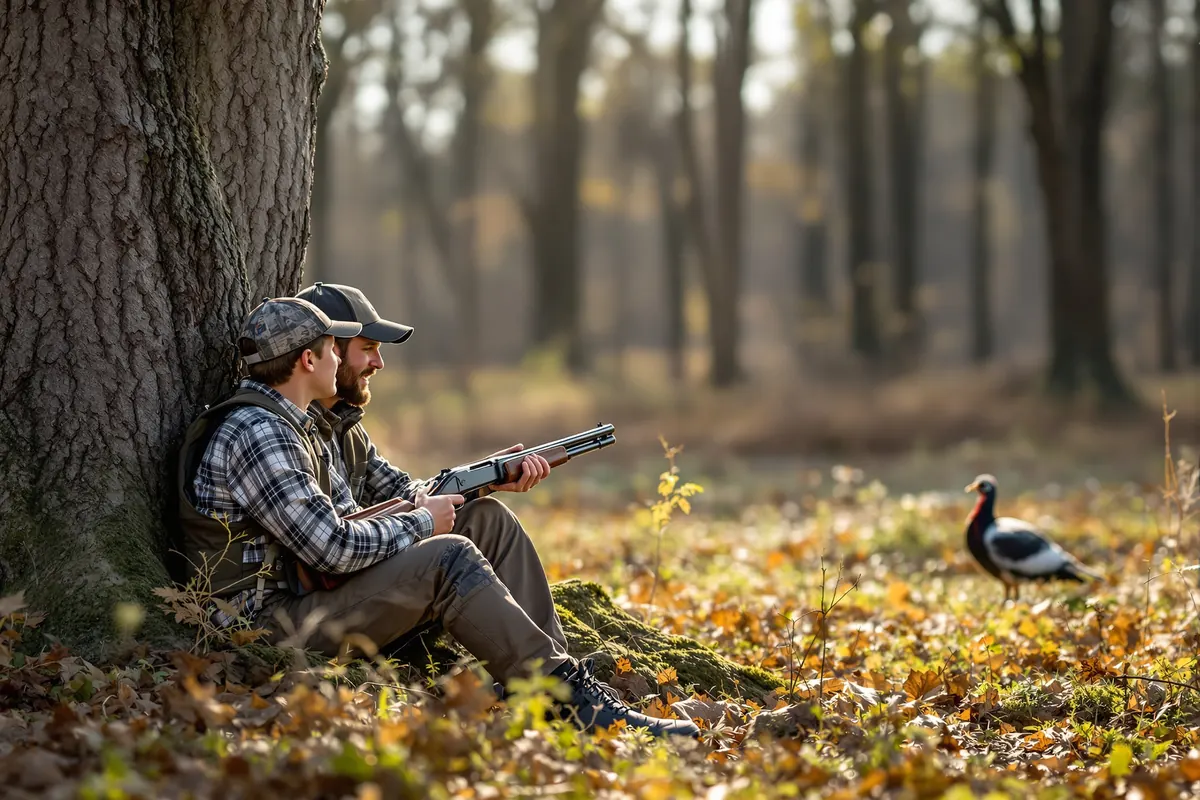
Planning the youth hunt day
A youth hunt day is shorter, warmer and more structured than an adult's. Build it around comfort and short bursts of attention.
| Time | Adult hunt | Youth hunt |
|---|---|---|
| Start | Long before shooting light | Close to shooting light, after breakfast |
| Sit length | All morning, or all day | A few hours, with breaks |
| Blind or stand | Whatever fits the spot | Ground blind or enclosed box blind, room for an adult beside them |
| Midday | Back to the field | Lunch, practice shooting, a walk to look at sign |
| Afternoon | Until dark | A short evening sit, back at camp for dinner |
Gear that makes or breaks the day
- A firearm that fits: short length of pull, manageable recoil. Let them shoot it at the range before the hunt.
- Hearing and eye protection.
- Warm boots, gloves and a hat. Cold feet end more youth hunts than missed shots do.
- Snacks, a drink, something quiet to do during slow stretches.
- Blaze orange that actually fits a smaller body, where your state requires it.
For turkey and waterfowl, use the youth hunt to teach: let the young hunter help place decoys, try a call, or read the wind. If you specialize in those species, the turkey outfitter software and waterfowl outfitter software pages show how calendars, blinds and daily limits are set up.
Waivers and paperwork for a youth hunt
Paperwork for a youth hunt has more moving parts than for an adult, and gaps show up at the worst moment: in the parking lot at 6 a.m., when you discover the child's license was never bought.
- Waiver with a guardian signature. A minor's release should be signed by a parent or legal guardian. How courts in your state treat a parent signing for a child varies, so have your attorney review the wording. See our guide to the hunting liability waiver for what the release itself should cover.
- License and hunter education proof. A photo of the license and certification card, or apprentice license, before the hunt.
- Medical and emergency contact. Allergies, asthma, medications, and a phone number for the parent who is not at camp.
- Photo consent. Ask before you post a child's photo on social media, and get it in writing.
- Your supervision rules, acknowledged by the parent.
In HuntReserve, each hunter in a party fills in their own details from a phone, uploads their license and signs your waiver; for a hunter under 18, the parent or guardian co-signs on that same form. If you are signing at a camp without coverage, Camp Mode on a tablet captures guardian signatures and license photos offline and syncs later. More on how e-signing works in our post on the electronic waiver.
Packaging and pricing for young hunters
How you package a youth hunt shapes who books. A few structures work well:
- Parent and child package. One price for an adult and a young hunter sharing a guide and a blind on a youth hunt. The adult may hunt or simply sit in as the mentor.
- Youth-day event. A set date on a youth-only weekend with several families, a shared lunch and a practice station.
- Add-on to an adult hunt. A short youth sit on the same trip, priced per day.
- Mentored first hunt. For a beginner of any age who wants to learn, if your state's apprentice or mentored license allows it.
Be honest in the description about what is and is not likely: a doe or a hog for a first hunt is a realistic goal, and many families care more about the experience than the animal. Use add-ons for processing, a European mount, or an extra night of lodging.
In HuntReserve you can price packages per hunter, per day or flat, set deposit rules, add extras like processing or meals, and set daily limits per hunt type on the Hunt Calendar so a youth weekend does not get overbooked. See the full feature list.
After the hunt: keeping the family
The youth hunt ends at the truck. The relationship does not. A few things after the hunt matter more for youth hunters than for adults:
- The photo. Take good photos of the young hunter with their animal, or with the decoys and the dog if nothing was shot. Send them to the parent the same day.
- The processing update. A kid wants to know when the jerky or the mount is ready. Status updates keep the excitement going.
- The invitation back. Next year's youth dates, sent before the season opens, to the parent who booked this year.
HuntReserve's Harvest Log records each harvest with species, location and guide, the Trophy Wall shows off your hunters' photos, and the processing tracker gives families a status page with text and email updates. Post-hunt review requests ask the family to rate the hunt and upload photos and invite them to review you on Google. If you want help reaching families before youth season, the HuntReserve marketing team runs ads and email for outfitters. When you are ready to put this season's youth dates online, get started.
Frequently asked questions
What age counts as a youth hunter?
It depends on the state and on the program. Texas, for example, says only licensed hunters 16 years of age or younger can take part in its youth-only seasons. Other states use different cut-offs for youth seasons, youth licenses and hunter education. Check your state wildlife agency's current regulations for the species and season you plan to hunt.
Does a youth hunter need hunter education?
Usually it depends on age and state. Texas lists a minimum age of 9 for hunter education certification and has rules for hunters who are not yet certified. Some states offer an apprentice license, like Virginia's, that lets a new hunter hunt under direct adult supervision before finishing the course. Confirm the current rules with the agency.
Can the adult also shoot during a youth-only season?
That is set by each state and sometimes by species. In Texas, TPWD says only individuals 16 years of age or younger are allowed to participate in youth-only seasons, so the adult is there to supervise, not to hunt. Read the season rules on your state agency's site before you plan a hunt where the parent expects to shoot too.
How long should a youth hunt last?
A youth hunt should be shorter than an adult hunt. Plan a morning sit of a few hours, a midday break with food and practice shooting, and a short evening sit if the young hunter is still keen. Stopping while they are still having fun is better than pushing through a cold, slow afternoon that turns them off hunting.
Who signs the waiver for a youth hunter?
A parent or legal guardian, alongside the young hunter, on the same form. How your state treats a parent's release on behalf of a minor varies, so have an attorney review your waiver. Collect the guardian's name, relationship and contact details, and keep the signed copy with the booking.
Sources
- Texas Parks and Wildlife: Youth-Only season type
- Texas Parks and Wildlife: 2026-2027 Hunting Season Dates
- Texas Parks and Wildlife: Hunter Education
- USFWS Tule Lake National Wildlife Refuge: Hunting
- Virginia Department of Wildlife Resources: Apprentice Hunting License
Rules, fees and policies change. This guide was checked against the official sources above in October 2026. It is general information, not legal, tax or insurance advice: confirm the current details with the agency or a licensed professional before you rely on them.
Keep reading
More from the HuntReserve blog
The Electronic Waiver for Hunts and Charters: Signing, Proof and Storage
What federal e-signature law says, what a signing process should be able to prove, how guardians co-sign for minors, and how to collect signatures at a camp with no cell signal.
12 min read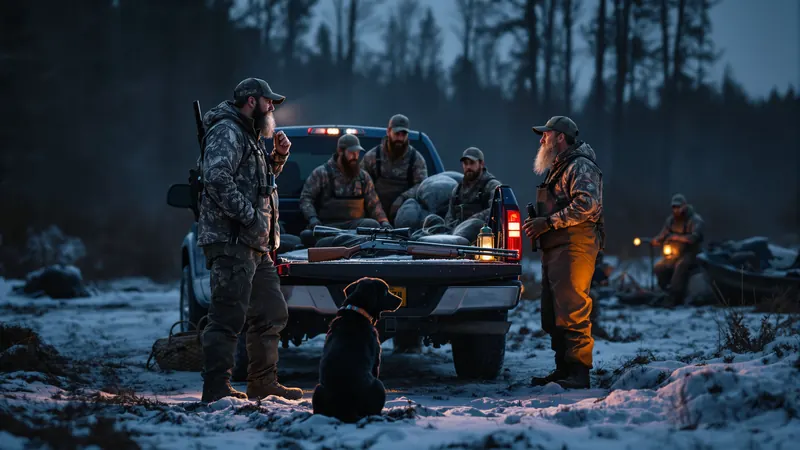
How to Run a Pre-Hunt Safety Briefing Your Hunters Will Remember
A field-tested structure for the talk before every guided hunt or trip: guns, shooting lanes, stands, boats, dogs, weather and what to do if something goes wrong.
12 min read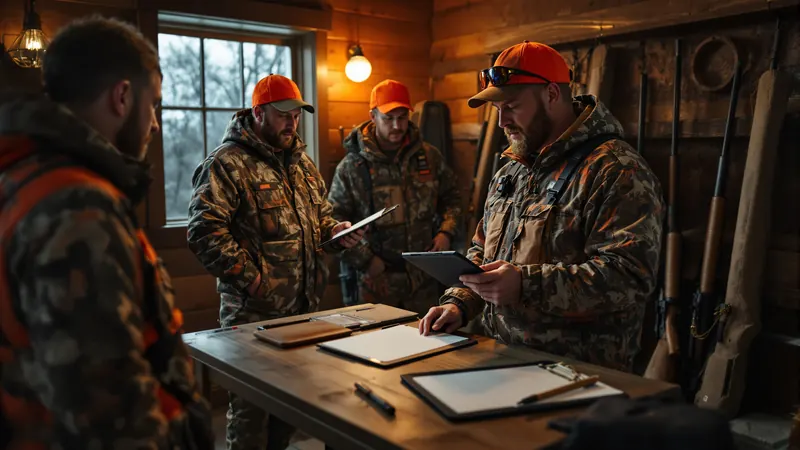
Hunting Liability Waiver: What Yours Should Cover, Clause by Clause
The hunting specific risks, clauses and signing habits that belong in an outfitter's waiver, from tree stands and firearms to minors, guardians, medical consent and how state law can change the picture.
12 min readSpend the season in the field.
Let HuntReserve run the office.
Tell us about your outfit. We'll call you, walk you through it with your own hunts and get you set up.