Home / Blog / Fishing charters
Coverage for boats that carry paying anglers
Charter Boat Insurance: Hull, P&I, Crew and the Fine Print Captains Miss
How a commercial charter policy is built: hull and machinery, protection and indemnity, crew injuries under the Jones Act, fuel spills, navigation limits, captain warranties and what underwriters review.
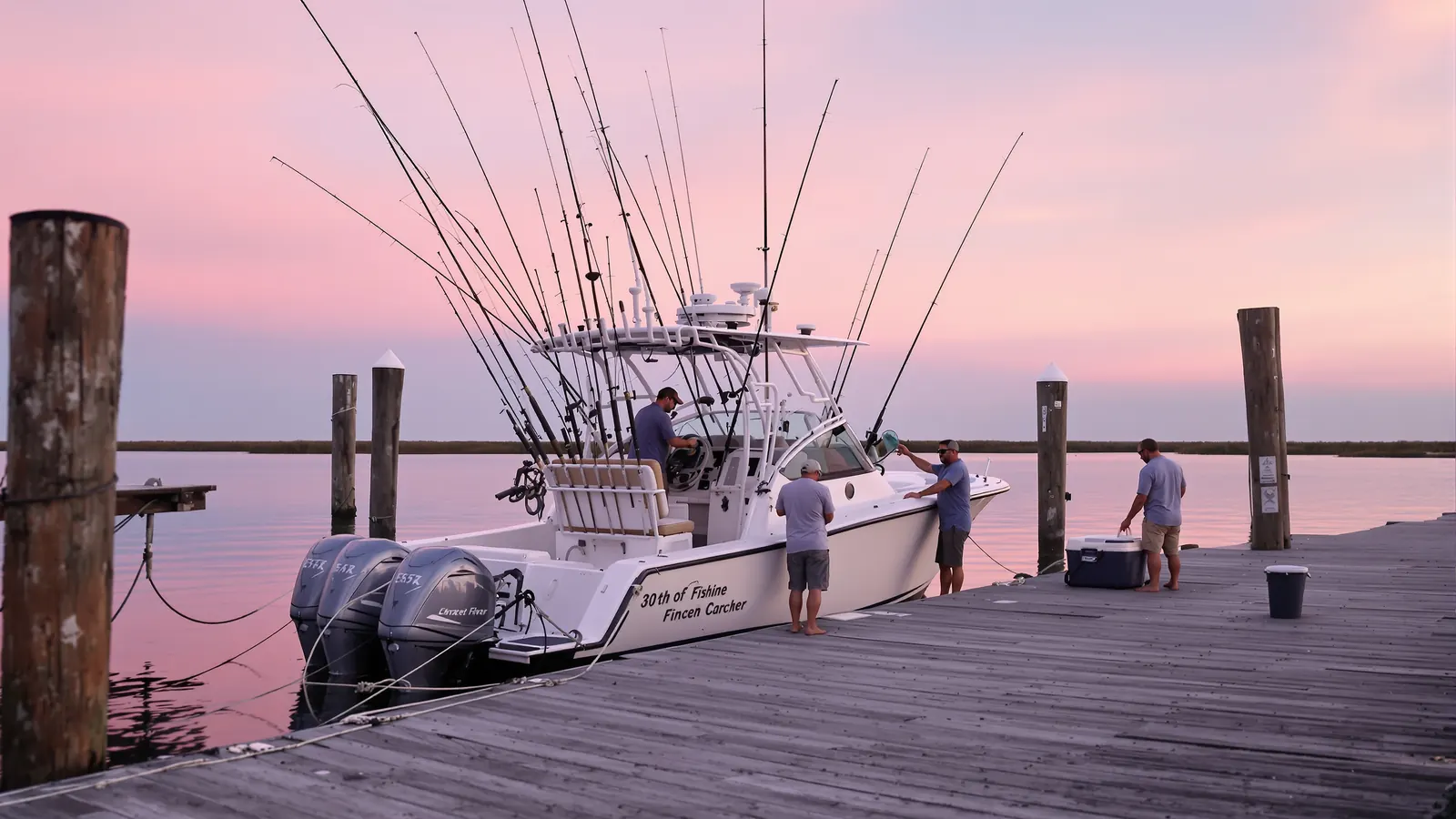
Charter boat insurance is the commercial marine policy that covers a boat carrying paying passengers, and it is a different animal from the yacht policy on a family center console. Once anglers pay to step aboard, the risks change: more people on deck, a hired mate, a schedule that runs the boat in marginal weather, and passengers who have never been on the water.
This guide explains the pieces of a typical charter policy in plain language, where captains get caught out by warranties and exclusions, and what an underwriter looks at. It does not quote premiums, which depend on your boat, waters, record and carrier. Treat it as preparation for a conversation with a licensed marine insurance agent, not as a substitute for one.
Short answer
Charter boat insurance usually combines hull and machinery coverage for the vessel with protection and indemnity for liability to passengers, crew and others, plus options for crew injury claims, fuel and oil pollution, and medical payments. The policy only responds within its navigation limits, named-captain rules and passenger warranties, so read those closely.
Why a recreational boat policy is the wrong fit
Most personal boat policies are written for private pleasure use, which is why charter boat insurance exists as its own product. Carrying passengers for hire is a commercial activity, and many recreational forms exclude it or limit it heavily. A captain who starts running paid trips on a boat insured for pleasure use may find there is no coverage for the exact claim that matters most: a paying passenger hurt on board.
Tell your agent the full picture before the first paid trip:
- That the boat will carry passengers for hire, and how many at a time.
- Who will operate it, and what licenses they hold.
- If you will hire a mate or deckhand.
- Where the boat will run: inshore bays, nearshore, offshore, across state lines.
- Where it is kept and how it is stored in the off-season.
If you are still setting up the business, our guide on how to start a fishing charter business covers licensing and the other early decisions. The captain's license side is in our post on the 6-pack captain license.
Hull and machinery: the boat itself
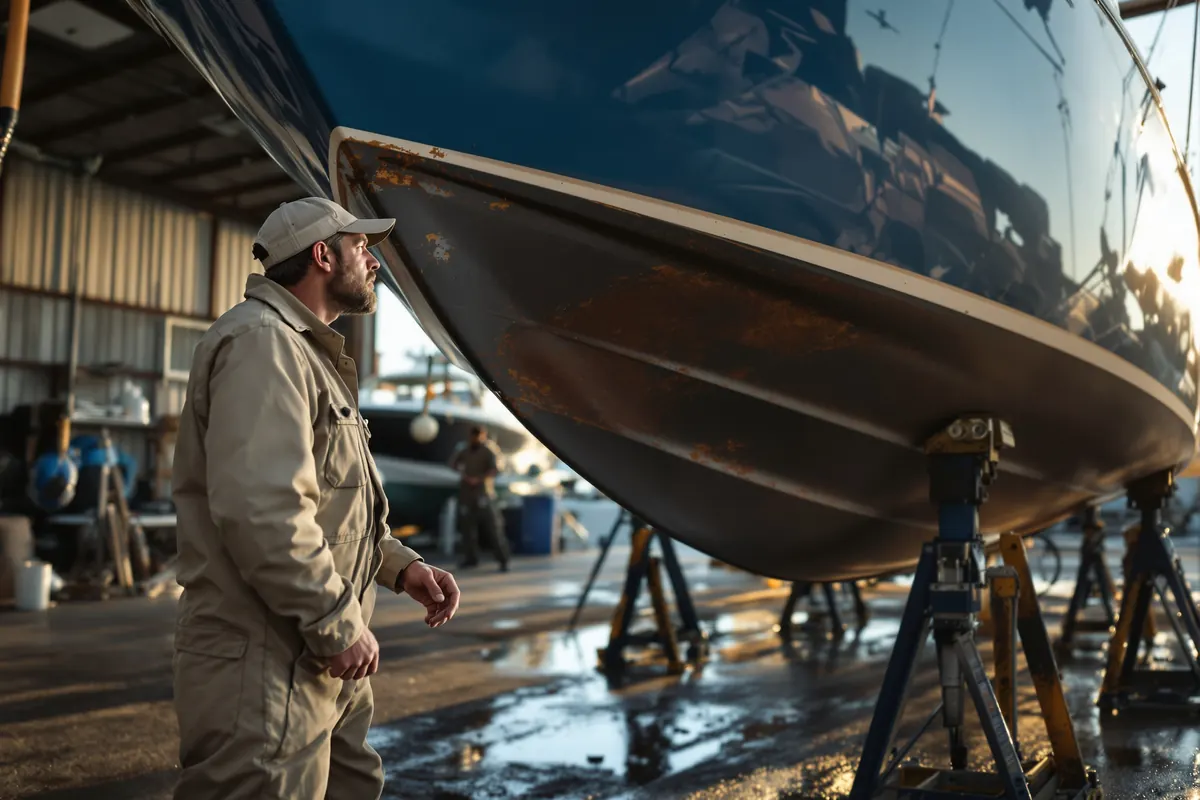
The hull and machinery section of charter boat insurance (often shortened to H&M) pays for physical loss or damage to the vessel: a grounding on an oyster bar, a collision at the fuel dock, a fire in the engine room, a sinking at the slip. It typically extends to the boat's equipment and may include electronics, outriggers and tower, depending on how the policy lists them.
How the boat is valued
- Agreed value: you and the insurer agree on the boat's value when the policy is written. If it is a total loss, that agreed amount is the basis for payment, subject to the deductible.
- Actual cash value: payment is based on the boat's value at the time of loss, after depreciation, which can be well under what it would cost to replace.
Ask which basis your quote uses, and ask how partial losses are handled (repair costs on older engines, for example).
Machinery: read the limits
Engines fail. Policies often distinguish between damage from an insured event (a fire, a sinking, a collision) and wear and tear or mechanical breakdown, which may be excluded or covered only in limited ways. If a blown lower unit in mid-season would ground your business, ask exactly what the machinery wording covers.
Lost income
A damaged boat means cancelled trips. Some carriers offer coverage for loss of charter income while the boat is out of service. Ask if it is available, what triggers it and how long it lasts.
Protection and indemnity: the liability core of charter boat insurance
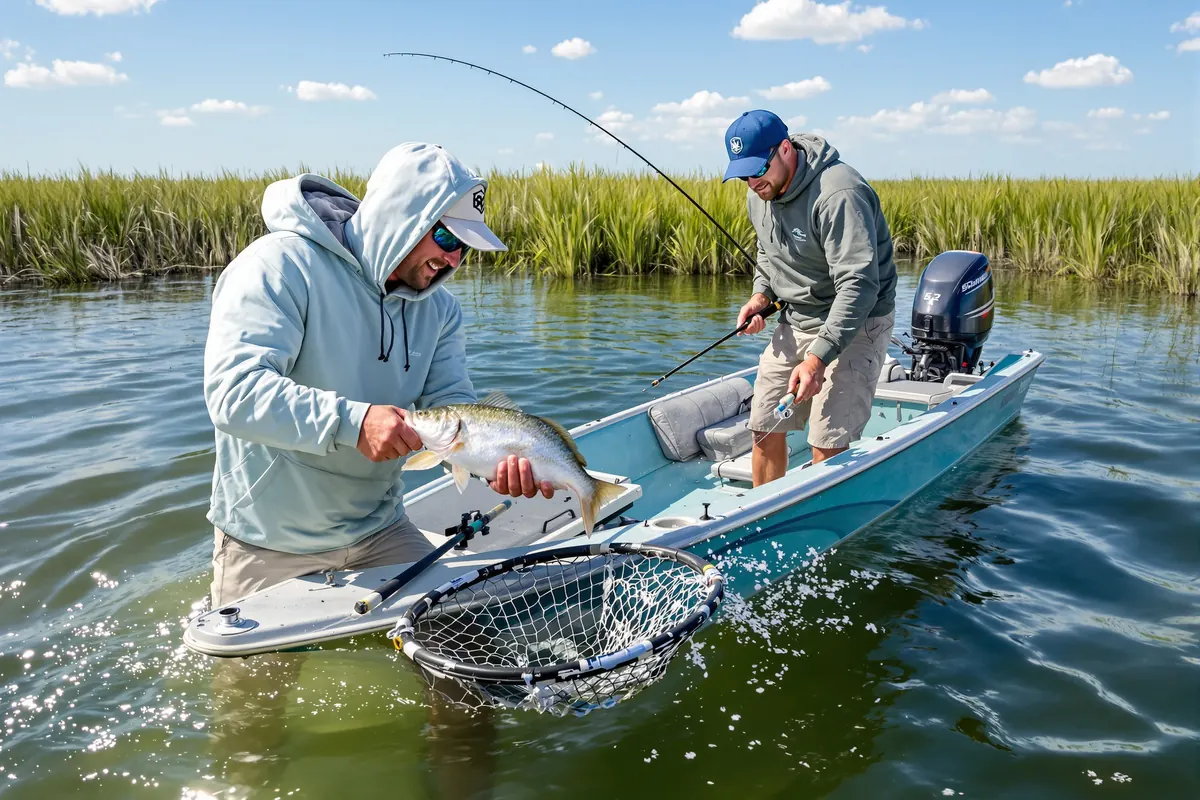
Protection and indemnity is marine liability coverage. For a charter captain, it is the most important part of charter boat insurance, because it responds when someone else is hurt or someone else's property is damaged.
protection and indemnity commonly addresses claims like these, depending on the policy wording:
- Passenger injuries. An angler slips on a wet deck, catches a hook in the hand, or is hurt when the boat comes off a wave.
- Damage to other property. Hitting another boat, a dock, a piling or a channel marker.
- Wreck removal. If the boat sinks in a channel or marina, authorities can require it to be removed, which is expensive.
- Crew injuries, if the policy extends protection and indemnity to crew. More on this below.
Two details matter. First, the passenger count: protection and indemnity on a charter policy is usually tied to a maximum number of passengers, and carrying more can void coverage for that trip. Second, the limit: the larger the passenger load and the further offshore you run, the more you could be exposed to in a single bad day. Discuss the limit, and whether an excess or umbrella layer is available, with your agent.
A signed release helps document that passengers understood the risks, but it does not replace insurance and may not hold up in every situation. See our guide to the release of liability form.
Crew injuries and the Jones Act
If you hire a mate, his or her injuries may not be handled the way an employee injury on land would be. Under federal law, a seaman injured in the course of employment, or the personal representative of a seaman who dies from the injury, may elect to bring a civil action at law, with the right of trial by jury, against the employer. That is 46 U.S.C. 30104, the Jones Act provision on personal injury to or death of seamen.
What this means for a charter operator is a set of questions for an admiralty attorney and your agent:
- Would your mate or deckhand likely be considered a seaman?
- Does your state workers' compensation policy respond to injuries on the boat, or are maritime injuries excluded?
- Does your protection and indemnity policy include crew coverage, and up to what limit?
- Do you need separate maritime employer's liability coverage?
- Does it matter if your mate is paid as a contractor? (Ask whether a contractor label changes anything under maritime law.)
General maritime law can also give injured crew members other remedies beyond the Jones Act. This is a specialist area; get advice from an attorney who practices maritime law before you hire your first mate.
Fuel spills and oil pollution
A charter boat carries fuel and oil, and a spill at the dock or a sinking offshore can lead to cleanup costs and claims. Under the Oil Pollution Act, each responsible party for a vessel or facility from which oil is discharged is liable for removal costs and damages specified in the law. Those damages include injury to natural resources, damage to real or personal property, and loss of profits or impairment of earning capacity, among other categories. Read 33 U.S.C. 2702, liability under the Oil Pollution Act.
That last category is worth thinking about on a busy waterfront: a spill that closes a marina or a fishing area can affect other businesses. Ask your agent how your charter boat insurance handles it:
- Is pollution liability included in the protection and indemnity section, or a separate policy?
- What is the limit, and does it include cleanup costs as well as third-party claims?
- Are fines and penalties covered? (Often they are not insurable; ask.)
Prevention is cheaper than any claim: absorbent pads in the bilge, a spill kit aboard, careful fueling and a written plan for what to do if fuel hits the water. Our post on the emergency action plan covers building that plan.
Smaller coverages worth a line on the quote
Beyond hull, liability and pollution, a charter boat insurance quote can include several smaller pieces. None of them is the headline, but each one answers a specific bad day. Ask about each, and decide on purpose instead of by default.
- Medical payments. Pays reasonable medical costs for an injured passenger regardless of fault, up to a small limit. It can settle a minor injury quickly, before it becomes a liability claim.
- Towing and assistance. A dead battery or a fouled prop thirty miles out turns into a tow bill fast.
- Fishing equipment and gear. Rods, reels, tackle and electronics that are not permanently attached may need to be scheduled.
- Trailer and tender. If you trailer the boat or use a dinghy, check that they are listed.
- Uninsured boater. Responds when another boater with no insurance hurts you or your crew.
- Search and rescue costs. Some forms address costs tied to locating a missing vessel; ask.
- Charter income. Mentioned above, it keeps some money coming in while the boat is in the yard.
The point is not to buy everything. It is to know which gaps you are choosing to carry yourself, so a claim never surprises you.
Warranties that can void charter boat insurance
A warranty in charter boat insurance is a promise you make about how the boat will be used. Breaching one can leave a claim unpaid, sometimes even when the breach had nothing to do with the loss. These are the ones charter captains most often need to watch:
- Navigation limits. The policy names the waters you may operate in, often by distance from shore or by geographic boundaries. Running a canyon trip outside those limits can mean no coverage for anything that happens on that trip.
- Named operators. Many charter policies list the captains approved to run the boat. A friend or relief captain who is not named may not be covered.
- Licensing. The captain must hold a valid license appropriate to the trip. A lapsed license or medical certificate can be a problem.
- Passenger count. Carrying more paying passengers than the policy, and the law, allow.
- Lay-up period. Some policies require the boat to be out of service or out of the water for certain months.
- Hurricane or named storm plan. In storm-prone areas, policies may require a written plan for where the boat goes and what you do when a storm is forecast.
- Survey recommendations. If a marine surveyor recommended repairs, the insurer may require them by a deadline.
Put the warranty list where you and any relief captain will see it, and calendar the license renewals and survey deadlines.
What underwriters look at
An underwriter is trying to estimate how likely and how expensive a claim will be. Knowing what they review helps you present your operation well and spot weak points to fix.
| Factor | Why it matters |
|---|---|
| Captain's license and experience | Operator skill is central to marine risk |
| Claims and violation history | Past losses suggest future ones |
| Boat age, construction and survey | Condition and maintenance affect hull risk |
| Engines and electronics | Reliability offshore, cost of repair |
| Operating area and distance offshore | Exposure to weather and rescue difficulty |
| Passenger count and trip types | More people and longer trips mean more exposure |
| Crew | Hired mates add injury exposure |
| Mooring, storage and storm plan | Theft, sinking at the dock and storm damage |
| Safety equipment and procedures | Shows how seriously risk is managed |
A clean record and good paperwork help when an underwriter prices charter boat insurance: a current survey, maintenance logs, a written safety briefing, and signed releases for every passenger.
Walking through a claim on the boat
Picture a half-day inshore trip. A passenger steps onto a wet gunwale to land a redfish, slips, and hits the deck hard. What you do in the next few hours affects how your charter boat insurance claim goes.
- Care first. Assess the injury, give first aid, and head in or call for help if needed.
- Write it down the same day. Time, location, sea conditions, what the passenger was doing, who saw it.
- Take photos of the deck, the spot, the conditions.
- Keep the paperwork together: the booking, the signed release, the passenger list, and notes from the safety briefing.
- Notify your agent or carrier promptly, following the policy's notice requirements. Late notice can complicate a claim.
- Do not admit fault or promise payment on the dock. Be kind and helpful, and let the insurer handle liability.
The easier it is to pull up who was aboard and what they signed, the smoother this goes. Records spread across a clipboard, a text thread and a notes app make it much harder.
Getting the right policy and keeping records straight
Work with a licensed agent who writes commercial marine coverage regularly and can approach carriers that insure charter operations in your area. Bring your license, the boat's survey, your trip types and passenger counts, your operating area and any claims history. Ask for the policy wording, not just a quote summary, and read the warranties and exclusions before you sign. This article is general information, not insurance or legal advice.
On the records side, HuntReserve was built for hunting outfitters and fishing charters and guides. Every angler in a party registers from a link the lead angler shares and signs your release on screen, with a parent co-signing for anyone under 18; signed copies go out by email. The Check-In Board shows who still needs to sign before you leave the dock. The Hunt Calendar shows hourly and 16-day forecasts, wind and pressure trends next to your trips, which helps you make the weather call early. See the rest of the features.
When your charter boat insurance renewal comes around, that same record of trips, passengers and signed releases is what you hand the agent. To set it up for your boat, get started.
Frequently asked questions
Does a regular boat policy cover fishing charters?
Usually not. Personal boat policies are generally written for private pleasure use, and many exclude or limit carrying passengers for hire. If you take paying anglers, tell your agent before the first trip and get a policy written for charter use, with passenger liability that matches how many people you carry.
What is protection and indemnity insurance on a charter boat?
Protection and indemnity is marine liability coverage. On a charter policy it responds to claims such as passenger injuries, damage to docks or other boats, and in many forms wreck removal and crew injuries. The exact scope depends on the wording, so ask your agent what is included and what limit applies.
Do charter captains need Jones Act coverage for a mate?
If your mate qualifies as a seaman, federal law at 46 U.S.C. 30104 lets an injured seaman bring a civil action with a jury trial against the employer. Ordinary workers' compensation may not respond. Ask an admiralty attorney about the mate's status and ask your agent about crew coverage under protection and indemnity or a maritime employer's liability policy.
What happens if a charter runs outside its navigation limits?
Navigation limits are usually a warranty in the policy, and operating outside them can mean no coverage for losses on that trip, sometimes regardless of the cause. If you plan to run farther offshore or into new waters, ask your agent to extend the limits in writing before you go.
Does a passenger waiver replace insurance?
No. A signed release documents that passengers understood the risks and can support your defense, but it may not bar every claim and it pays nothing. Charter boat insurance pays for your defense and covered claims within its terms. Use both, and have an attorney review your release wording for your state.
Sources
- U.S. Code, 46 U.S.C. 30104 (Jones Act: personal injury to or death of seamen), govinfo.gov
- U.S. Code, 33 U.S.C. 2702 (Oil Pollution Act liability), govinfo.gov
Rules, fees and policies change. This guide was checked against the official sources above in October 2026. It is general information, not legal, tax or insurance advice: confirm the current details with the agency or a licensed professional before you rely on them.
Keep reading
More from the HuntReserve blog
How to Start a Fishing Charter Business, From Credential to First Booking
The order of operations for a new charter: pick the model, get the right Coast Guard credential, match the boat to it, add state and federal permits, insure, set up bookings and fill the calendar.
12 min read
The 6 Pack Captain License (OUPV): What It Allows and How Charters Run on It
The six-pack credential is the entry ticket for small fishing charters. What counts as a passenger for hire, what the Coast Guard requires and where the license stops.
12 min read
Emergency Action Plan for Hunting Camps, Lodges and Fishing Charters
Roles, communication with no cell signal, evacuation routes, trauma center planning, scenario cards for tree stand falls, lightning and man overboard, plus drills that fit a real hunting schedule.
12 min readSpend the season in the field.
Let HuntReserve run the office.
Tell us about your outfit. We'll call you, walk you through it with your own hunts and get you set up.