Home / Blog / Bookings & payments
Protect your dates without souring clients
How to Write a Cancellation Policy for Guided Hunts and Fishing Charters
Time-based tiers, weather calls, medical emergencies, transfers and rebooking, with sample wording for a duck camp, an offshore charter and a draw-dependent elk hunt.
A cancellation policy is the part of your booking terms that decides what happens to a client's money when a hunt or trip does not go ahead as planned. For an outfitter or a charter captain, it carries more weight than it does for most businesses: you have a fixed number of blinds, stands or seats, dates that cannot be sold again once they pass, and costs (leases, birds, fuel, guides) that you committed to months earlier.
A good cancellation policy protects those dates and still treats clients fairly when life happens. This guide walks through the decisions to make, how to handle weather and medical calls, and how to word it so nobody is surprised. It is general information, not legal advice; have an attorney in your state review your final terms.
Short answer
A cancellation policy for hunts and charters should state the deposit, the cancellation deadlines and what the client keeps or loses at each one, who makes weather calls and what happens then, how transfers and rebooking work, and what you owe if you cancel. Show it before payment and get a clear acceptance.
Why outfitters and captains need a stricter cancellation policy
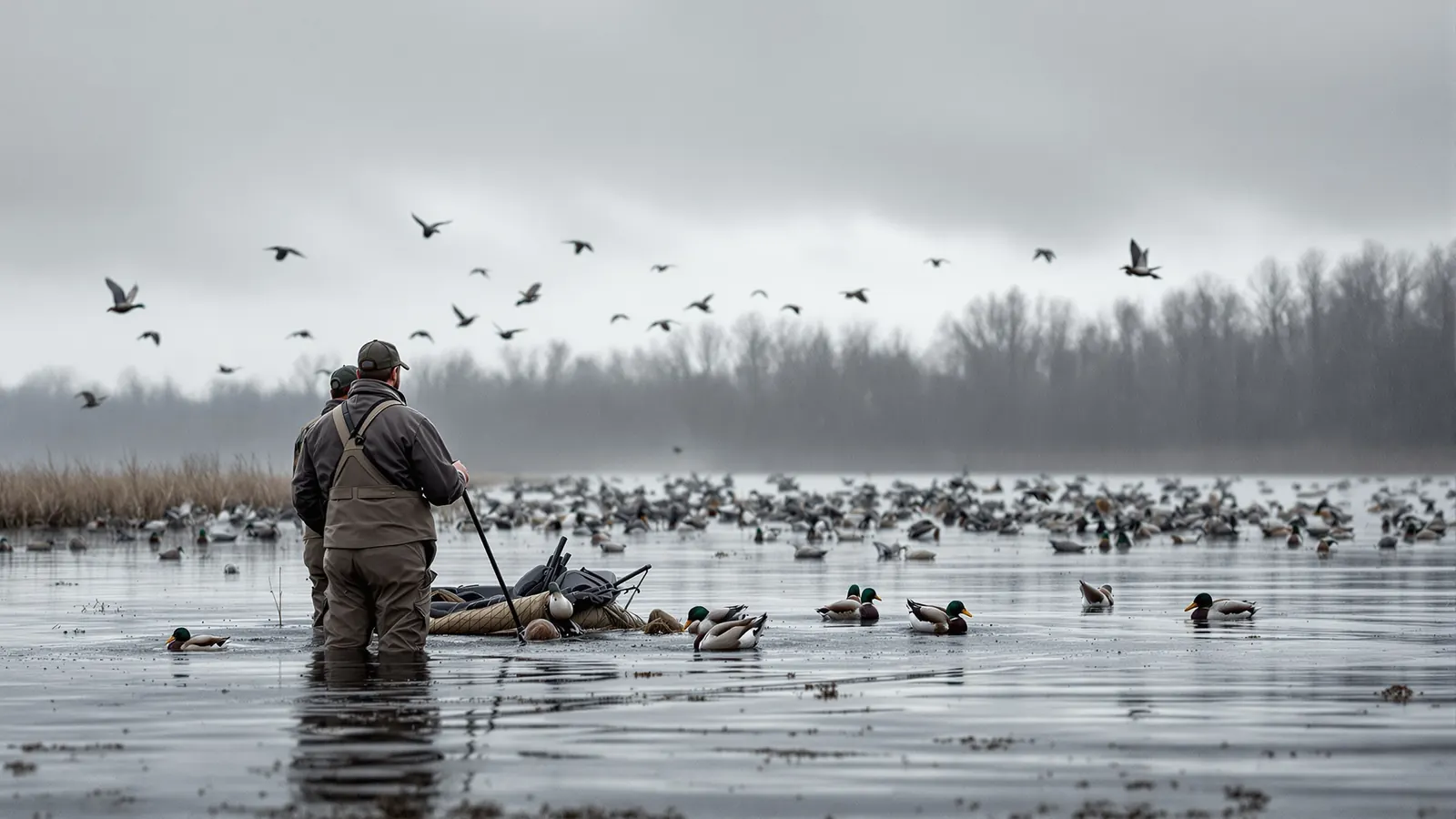
A restaurant can seat a walk-in when a reservation cancels. An outfitter with four hunters booked into a duck blind on the second Saturday of December usually cannot. The calendar of good days is short, most clients plan months ahead, and a late cancellation often means an empty blind, a guide who still expects to be paid, and birds or bait already bought.
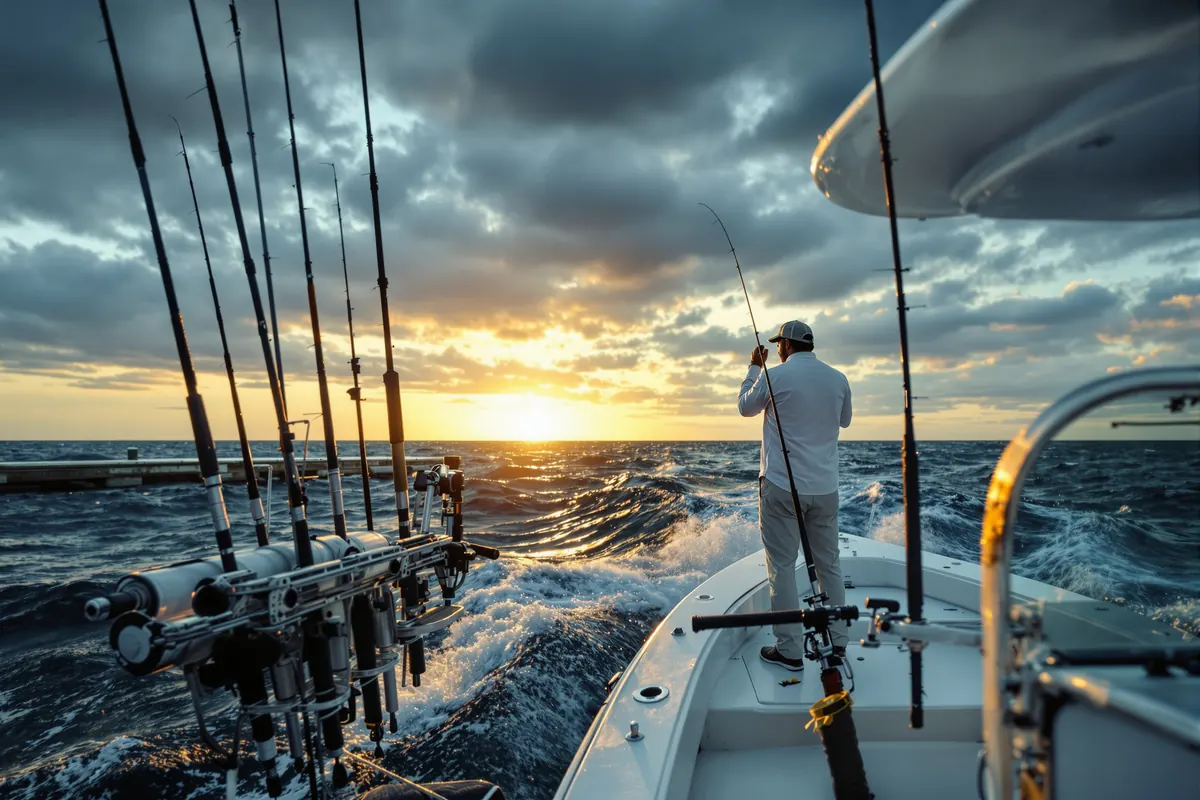
Charters have a similar problem on a shorter clock. A half-day inshore trip that cancels the night before is rarely resold, and an offshore day booked around a tide or a bite window may be the only good one that week.
So the policy has three jobs:
- Protect the dates you hold for a client, especially in peak season.
- Set fair, predictable outcomes for the common situations, so you are not negotiating each one on the phone.
- Create a clear record that the client saw and accepted the terms before paying.
The deposit itself, including when a non-refundable deposit is reasonable, is covered in our post on the non-refundable deposit. This post is about everything around it.
Six decisions to make before you write a word
Most weak cancellation policy documents are weak because the owner never decided these things, so the wording is vague. Answer each one first.
- Who can cancel, and for what reasons? The client, you, the weather, a government closure, a failed draw. Each needs its own outcome.
- What are your deadlines? Pick a small number of cut-off points based on how far ahead you can realistically refill a spot.
- What happens to the deposit and any balance at each deadline? Refund, credit toward a future date, or kept.
- Can a client transfer the spot to someone else? If yes, what does the new hunter need to do (register, sign, show a license)?
- Do you offer rebooking, and with what limits? Same season only, next season, a specific window.
- What do you owe when you cancel? This is the part clients read most closely, and the one most often left out.
Write the answers in plain sentences first. Turning them into finished wording is the easy part once the decisions exist.
Time tiers: the backbone of a cancellation policy
Time-based tiers are the clearest structure for a hunting or charter business. The closer to the date, the less the client gets back, because the chance of refilling the spot drops. The table shows a shape many businesses use; the actual cut-off days are yours to set based on how your bookings behave.
| When the client cancels | Example outcome | Why |
|---|---|---|
| Well before the season (e.g. before your first deadline) | Deposit kept or converted to credit; any balance paid is refunded | You still have time to resell the date |
| Between your first and second deadline | Deposit kept; balance refunded only if the spot is resold | Refilling is possible but not likely |
| Inside your final deadline | No refund; transfer to another hunter allowed | The date is effectively lost |
| No-show on the day | No refund, no credit | Guide, blind and costs were committed |
Keep the number of tiers in your cancellation policy small. Two or three deadlines are easy to explain on the phone and easy for clients to remember. Five tiers with different outcomes invite arguments about which one applied.
Match the tiers to the product
- Draw-dependent big game hunts often book a year out; deadlines can sit months before the hunt.
- Waterfowl and dove book closer in and sell by the day; deadlines in weeks work better.
- Charters may need deadlines measured in days, with a stricter rule for weekends and holidays.
Weather calls: who decides and what happens next
Weather is the most common source of disputes, and the fix in your cancellation policy is to say exactly who makes the call and what each outcome means.
For hunts
Many hunts are better in bad weather. A cold front and a north wind can make a duck hunt, and a drizzly morning can put deer on their feet. Say plainly that hunts go ahead in normal seasonal weather and that the outfitter, not the client, decides if conditions are unsafe (lightning, ice on the roads to camp, flooding at the boat ramp). If you cancel for safety, say what the client gets: usually a rebooked date or a credit.
For charters
The captain decides if it is safe to run, and that decision should be final. Spell out what happens when the captain cancels before departure (full refund or reschedule) and what happens if the trip is cut short after leaving the dock. Some captains prorate or offer a partial credit for a shortened trip; whatever you choose, write it down.
Client-initiated weather cancellations
A client who looks at a forecast and decides not to come is cancelling, not being cancelled on. Your normal tiers apply. Saying so in the cancellation policy avoids the most common argument in the business.
HuntReserve's Hunt Calendar shows hourly and 16-day forecasts, wind, pressure trend and river levels next to your bookings, which helps you make the call early and tell clients the night before rather than at the ramp.
Medical emergencies, failed draws and closures
These are the situations where a rigid cancellation policy feels unfair and a loose one gets abused. Decide in advance.
- Medical emergencies. Many outfitters offer a credit or rebooking rather than a cash refund when a client provides reasonable documentation. You can also recommend clients look at trip cancellation insurance from a travel insurer, which exists for exactly this.
- Failed draws. If a hunt depends on the client drawing a tag, say what happens if they do not. A common approach is a refund or credit, provided the client applied on time and shows the draw result.
- Government closures and regulation changes. If a season is closed, shortened or a unit is restricted, say if you refund, credit or move the date.
- Travel problems. Missed flights and closed roads are usually treated as client cancellations; a transfer option softens it.
- Death in the family, military deployment. Some businesses list these explicitly with a credit outcome. Listing them saves a hard conversation.
Whatever you choose, apply it the same way to everyone. An exception for one client becomes the precedent the next client asks for.

Transfers, rebooking and refilling the spot
The best cancellation is one where someone else takes the spot. Build that into the cancellation policy instead of treating it as a favor.
Transfers
Let a client hand their spot to a friend, with conditions: the new hunter registers, signs the waiver and meets license requirements before the hunt. The money stays with you and the date stays full.
Rebooking
Offer rebooking as an alternative to a refund at the early tiers. Put a limit on it (for example, within the same or following season) so credits do not pile up for years.
The waitlist
A waitlist turns a late cancellation from a loss into a resale. In HuntReserve, when a spot opens, the waitlist offers it to the next hunter in line with a 24-hour claim link, and Open Spots can push last-minute openings to hunters you have already approved. If your policy refunds a balance "if the spot is resold", this is how it gets resold.
Group bookings: when one hunter in the party drops out
Most hunts and charters are booked by a group, and the hardest cancellation to handle is the partial one. Four friends book a goose field; two weeks out, one of them backs out. Does the group owe for four, or three? Can the other three keep the field to themselves at the same price?
Your cancellation policy should answer this directly, because the lead hunter will ask:
- Minimum party size. If a blind or boat is priced for a full group, say that the group pays the full rate for that date regardless of how many show up, or set a per-hunter rate with a minimum.
- Who owes what. If each hunter pays their own share, the cancelling hunter's share follows the normal tiers. If the lead hunter paid for everyone, the lead hunter deals with refunds inside the group.
- Replacement hunters. Let the group fill the empty seat with a friend who registers and signs before the hunt. This solves most partial cancellations without any money moving.
Split payments make this cleaner. When each person in the party pays their own share at booking, a partial cancellation affects only the person who cancelled, and the cancellation policy applies to their share alone. HuntReserve supports optional split payments for exactly this reason.
Write one example into your terms ("if one hunter in a party of four cancels inside [number] days...") so the group sees how it works before anyone asks.
Sample cancellation policy wording to adapt
These examples show structure and tone. Replace the bracketed parts with your own numbers and have an attorney review them for your state.
Guided waterfowl hunt (sold by the day)
"A deposit of [amount] per hunter is due at booking and is non-refundable. The balance is due [number] days before your hunt. If you cancel more than [number] days before your hunt, any balance you have paid will be refunded. Inside [number] days, no refund is given, but you may transfer your spot to another hunter who registers and signs our waiver before the hunt. Hunts run in normal winter weather. If we cancel for unsafe conditions, you may choose a new date this season or a credit."
Offshore fishing charter
"Your deposit holds the date. If you cancel at least [number] days before the trip, the deposit can be applied to another date within [period]. Cancellations inside [number] days forfeit the deposit. The captain decides if conditions are safe. If the captain cancels before departure, you may reschedule or receive a full refund. If a trip returns early for safety, [your rule]."
Draw-dependent big game hunt
"If you apply on time and are not drawn, we will [refund / credit] your deposit after you send your draw results. Once you have drawn, the deposit is non-refundable. Cancellations after [date] forfeit all payments, but you may transfer the hunt to another qualified hunter with our approval."
Getting clients to actually agree to the terms
A cancellation policy nobody saw does not help you. Put it everywhere the money moves:
- On each hunt or trip page, near the price, not only in a footer link.
- At checkout, with a checkbox or signature showing the client accepted it.
- In the booking confirmation email and on the balance invoice.
- In the reminder before the final deadline, so the client knows a cut-off is coming.
That record matters if a client disputes the charge with their card issuer. The FTC explains that under the Fair Credit Billing Act consumers can dispute charges for things that were not delivered as agreed, generally by contacting the card issuer within 60 days after the first bill with the charge was sent. See the FTC's guide to disputing credit card charges. A clear, accepted policy and your booking records are what you point to when that happens. Our post on how to prevent chargebacks covers the evidence side.
When you cancel, and running it all in one place
Write your own obligations as clearly as the client's. If you cancel for any reason other than weather or a closure (a guide quits, the lease falls through, the boat is in the shop), the fair default is a full refund of everything paid or a rebooked date of the client's choosing. Clients judge your whole cancellation policy by this line.
In HuntReserve, deposit rules are set per package, balances are invoiced automatically before the hunt with a pay link, and card refunds take one click from the booking. Payments run through your own Stripe account. You can see how deposits, refunds and invoices fit together on the payments features page and the full list of booking and operations features, and how it works for hunting outfitters and fishing charters. When you want your policy built into the booking flow, get started.
Frequently asked questions
What should a cancellation policy for a guided hunt include?
The deposit amount and whether it is refundable, the payment schedule, cancellation deadlines with the outcome at each one, who decides on weather and what happens then, rules for medical emergencies and failed draws, whether spots can be transferred, rebooking limits, and what the outfitter owes if the outfitter cancels. Show it before payment and keep a record that the client accepted it.
Do outfitters have to refund if a hunt is cancelled for weather?
It depends on your written terms and on your state's consumer laws. Many outfitters run hunts in normal seasonal weather and offer a rebooked date or credit only when the outfitter cancels for safety. Charters usually refund or reschedule when the captain cancels before departure. Write the rule down, apply it consistently and have an attorney review it.
Can a client transfer a hunt to someone else?
If your policy allows it, yes, and it is often the best outcome for both sides: the date stays full and the client recovers their money from the friend. Require the new hunter to register, sign your waiver and meet license and hunter education rules before the hunt, and confirm the transfer in writing.
How far in advance should the cancellation deadline be?
Set it by how long you realistically need to resell the spot. Hunts that book a year out can use deadlines months before the date; day hunts and charters can use deadlines measured in weeks or days. Two or three deadlines are easier for clients to understand than a long schedule of tiers.
Does a cancellation policy stop credit card chargebacks?
No policy stops a client from filing a dispute, but a clear policy that the client accepted before paying, plus booking confirmations and reminders, gives you evidence to respond with. Under the Fair Credit Billing Act consumers can dispute services not delivered as agreed, so the clearer your cancellation policy, the stronger your response.
Sources
Rules, fees and policies change. This guide was checked against the official sources above in October 2026. It is general information, not legal, tax or insurance advice: confirm the current details with the agency or a licensed professional before you rely on them.
Keep reading
More from the HuntReserve blog
The Non-Refundable Deposit for Guided Hunts and Charters: How to Set It, Word It and Defend It
A deposit that keeps your calendar honest without starting fights: what it should cover, how to word and disclose it, what to do when you cancel, and how to win disputes.
12 min read
How to Prevent Chargebacks on Hunts, Lodges and Charters
Why guided hunts and charters get disputed, the booking habits that stop most chargebacks, when to refund instead of fight, and how to answer a dispute with evidence that holds.
12 min read
The Electronic Waiver for Hunts and Charters: Signing, Proof and Storage
What federal e-signature law says, what a signing process should be able to prove, how guardians co-sign for minors, and how to collect signatures at a camp with no cell signal.
12 min readSpend the season in the field.
Let HuntReserve run the office.
Tell us about your outfit. We'll call you, walk you through it with your own hunts and get you set up.