Home / Blog / Running your outfit
Both sides of the seasonal hire
Hunting Guide Jobs: Finding Work, and Hiring the Right Guides
Where guiding work actually comes from, the hiring calendar, what outfitters look for and how to apply, plus how outfitters can post, hire, onboard and schedule seasonal guides.
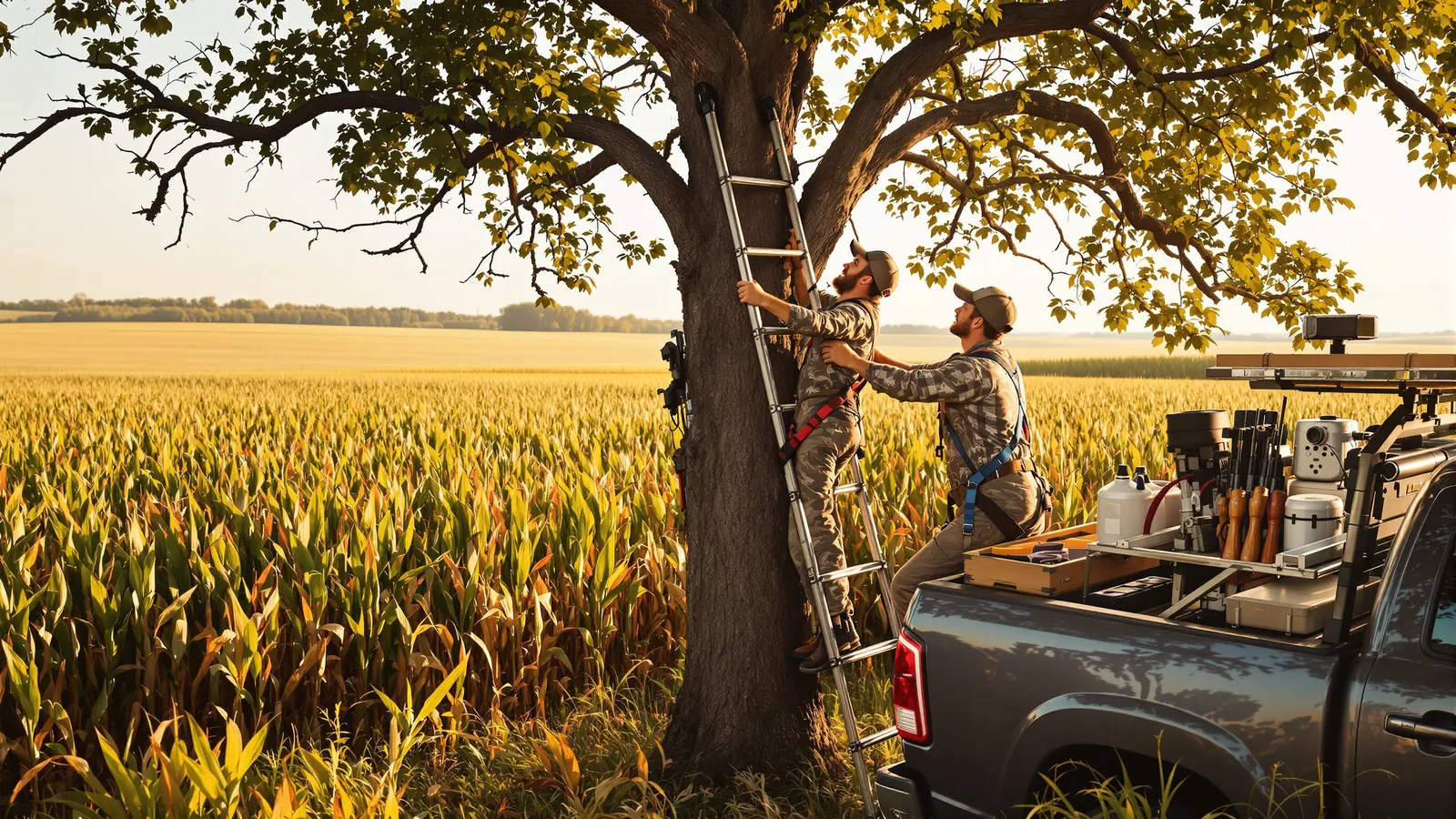
Hunting guide jobs rarely show up on the big job boards. Many are filled by word of mouth, by a phone call from an outfitter who needs one more guide for November, or by the camp hand who showed up early every morning last season. If you want the work, you need to know where those calls come from and what makes an outfitter make one to you.
This post covers both sides. The first half is for people looking for guiding work: where the jobs are, when hiring happens, what outfitters look for and how to apply. The second half is for outfitters: how to write the posting, hire, onboard and schedule seasonal guides without losing the season to paperwork.
Short answer
Many hunting guide jobs come from outfitters, lodges, preserves and clubs hiring seasonal help, usually through referrals well before the season. Outfitters look for reliability, field skill, people skills, a clean record, first aid training and any state guide license. Start by working camp, building references and getting licensed where required.
Where hunting guide jobs actually come from
Hunting guide jobs cluster around a few kinds of employers, and each hires differently.
- Outfitters: the core of the market. A western elk outfitter, a Midwest whitetail operation or a southern duck outfit hires seasonal guides around its hunt schedule.
- Lodges: lodges that sell hunting packages need guides, but also cooks, housekeeping and maintenance, which can be a way in.
- Shooting preserves and plantations: upland operations need guides who can handle dogs and run a safe walking line.
- Clubs and private ranches: some hire a manager or guides for members and guests.
- Waterfowl and dove operations: often need extra hands on opening days and peak weeks.
The jobs next to guiding
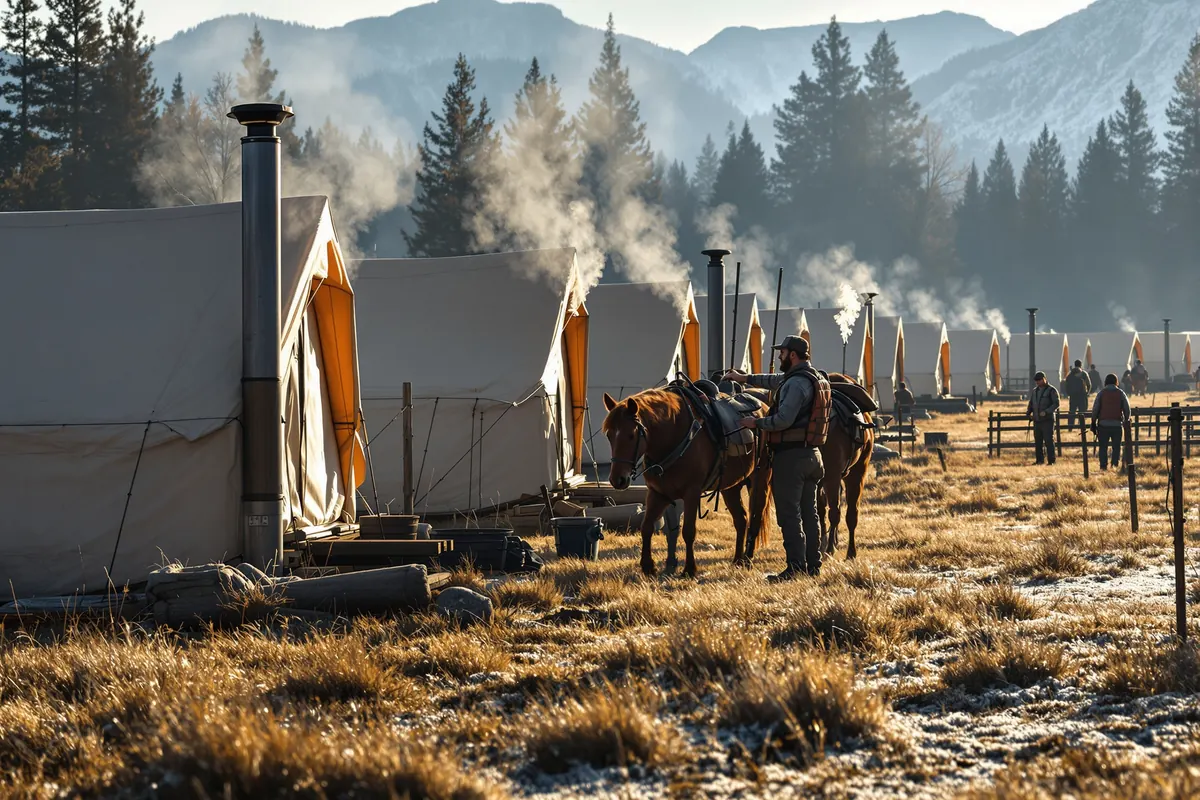
Plenty of guides started in a different camp job: packer, wrangler, cook, camp jack, dog handler, bird cleaner, blind builder. These positions put you in front of the outfitter every day. When a guide quits mid-season, the person already in camp who knows the property is the obvious hire.
If you are still deciding whether guiding is for you, our post on how to become a hunting guide covers the skills and training path, and this one focuses on landing the job.
The hiring calendar: when outfitters fill guide spots
Outfitters hire for the season they are about to run, but they decide early, which is why so many hunting guide jobs are gone before they are ever advertised. By the time a hunt is weeks away, the crew is usually set and the remaining openings are emergency replacements.
| Type of operation | When hunts run | When to reach out |
|---|---|---|
| Western big game (elk, mule deer) | Fall, depending on the state's seasons | Late winter through spring, when outfitters plan crews and pack strings |
| Whitetail | Fall into early winter | Spring and summer, before stand work and food plots |
| Spring turkey | Spring, set by each state | The winter before |
| Waterfowl | Fall and winter, set by flyway and state | Summer, when blinds are built and brushed |
| Dove | Late summer opening days | Early summer |
| Upland preserves | Their own licensed season | Late summer |
Season dates vary by state and species, so check the state wildlife agency for the operation's area. The point is the pattern: contact outfitters during their off-season planning, not the week before opening day. Offer to help with pre-season work, such as building blinds, hanging stands, scouting or clearing trails, and you get a tryout without either side committing.
What outfitters look for in a guide
Ask any outfitter what makes a good guide and the list rarely starts with shooting. These are the qualities that make an outfitter call you back:
- Reliability. Shows up early, every day, sober, with gear ready. The single biggest factor.
- Safety judgment. Knows when to stop a hunt, how to manage a shooting line and how to say no to a client.
- Field skill for the species. Calling, glassing, decoy spreads, dog work, tracking, packing out.
- People skills. Clients pay for the experience as much as the harvest. A patient guide who teaches a nervous first-timer earns repeat bookings.
- A clean record. Outfitters often ask about game violations, and a wildlife violation can end a guiding career.
- First aid and CPR training. Required in some states and expected almost everywhere.
- Practical skills. Fixing a boat motor, backing a trailer, running a chainsaw, keeping a truck going.
- Licensing where the state requires it. Or the ability to get licensed before the season.
References matter more than a resume
Outfitters call other outfitters. A reference from someone who has watched you work a camp, a landowner who trusts you on their property, or a game warden who knows you as a hunter carries more weight than any list of trophies. Ask for permission before listing anyone, and tell them who might call.
Licensing before you apply for hunting guide jobs
Whether a guide needs a license depends entirely on the state, and some states license outfitters and guides separately. Our hunting guide license overview compares states. For a sense of what a state requirement can look like, Montana's Board of Outfitters publishes a licensed guide checklist with these minimum requirements:
- The applicant must be 18 years of age.
- The applicant must be endorsed and recommended by a licensed outfitter, unless otherwise qualified under guide standards set by the board.
- The applicant must have a valid Montana wildlife conservation license.
- The applicant must submit proof of board-approved current basic first aid certification.
Notice the endorsement requirement. In Montana's structure, a new guide is typically licensed through an outfitter who vouches for them, which is another reason the relationship with an outfitter comes before the job title.
Requirements, fees and forms change, and other states work differently. Check with the licensing board or wildlife agency in each state where you want to guide, and ask any outfitter you talk to what their state requires before your first day.
How to apply and stand out
Applying for hunting guide jobs works best as a short, specific pitch to each outfitter, not a form letter.
- Pick operations that match your skills. A duck hunter with a trained retriever is a better fit for a waterfowl outfit than for an elk camp.
- Make contact in the off-season. Call or email with a short note: who you are, what species and methods you know, which dates you are available, and what licenses and certifications you hold.
- Send a one-page summary. Years hunting each species, any camp or guiding work, mechanical and boat skills, first aid and CPR dates, and two or three references with phone numbers.
- Offer pre-season help. Blind building, stand hanging and trail work are where outfitters learn who works.
- Be clear about pay expectations. Our post on how much hunting guides make explains the usual structures so the conversation goes smoothly.
- Ask how you will be classified. Employee or contractor affects taxes and insurance for both sides.
Your first season
Expect to start with the least glamorous work: the early-season hunts, the clients who need the most help, the blind that floods. Do it well and without complaint. Learn the property faster than anyone expects, keep your truck and gear in order, and ask the senior guides how they handle the tough moments with clients. Outfitters notice who asks good questions and who stays to clean birds when the hunt is over.
Follow up once, politely, if you do not hear back. Outfitters are busy, and the person who calls back in two weeks with the same clear message often gets the job that opens up in August.
Red flags when weighing an offer
Not every offer is a good one. Before you commit a season, look hard at these warning signs, because hunting guide jobs that start badly rarely improve in November.
- No license where the state requires one. If the outfitter is not licensed, or asks you to guide without the license your state requires, both of you are exposed.
- Vague pay and no written agreement. Day rate, per hunt or salary, when you get paid, and what happens on weather days should be on paper.
- Unsafe habits. Loaded guns in trucks, no harness rules for stands, boats overloaded in the dark.
- Pressure to bend game laws to keep clients happy, from baiting where it is illegal to filling tags for clients.
- No plan for emergencies on a property with no cell signal.
- High guide turnover that nobody wants to explain.
Ask other guides who have worked there. A good outfit will not mind you asking, and the answers tell you more than the interview.
For outfitters: posting and filling hunting guide jobs
On the other side of the table, hiring the wrong guide costs more than leaving the spot open. A guide who is late, careless with a firearm or short with clients can undo years of reviews. Treat hunting guide jobs as real hires with a real process.
What to put in the posting
- Species, methods and location
- Season dates and the number of days expected
- Required licenses and certifications, and who pays for them
- Pay structure, lodging and meals, as specifically as you can
- Physical demands: walking, packing, cold water, early mornings
- Whether the role includes pre-season work, dog handling, boat operation or cleaning game
How to screen
- Phone call first, focused on availability, experience and licensing.
- Reference calls to people who have seen them work.
- A paid working day during pre-season, if you can arrange it.
- A check of any state license status and, where relevant, wildlife violations.
Decide early how you will classify guides. The rules for employees and independent contractors are set by the IRS, the Department of Labor and your state, and the answer depends on how much control you have over the work. Our post on independent contractor vs employee explains the tests; your CPA or attorney should make the final call.
Onboarding seasonal guides before opening day
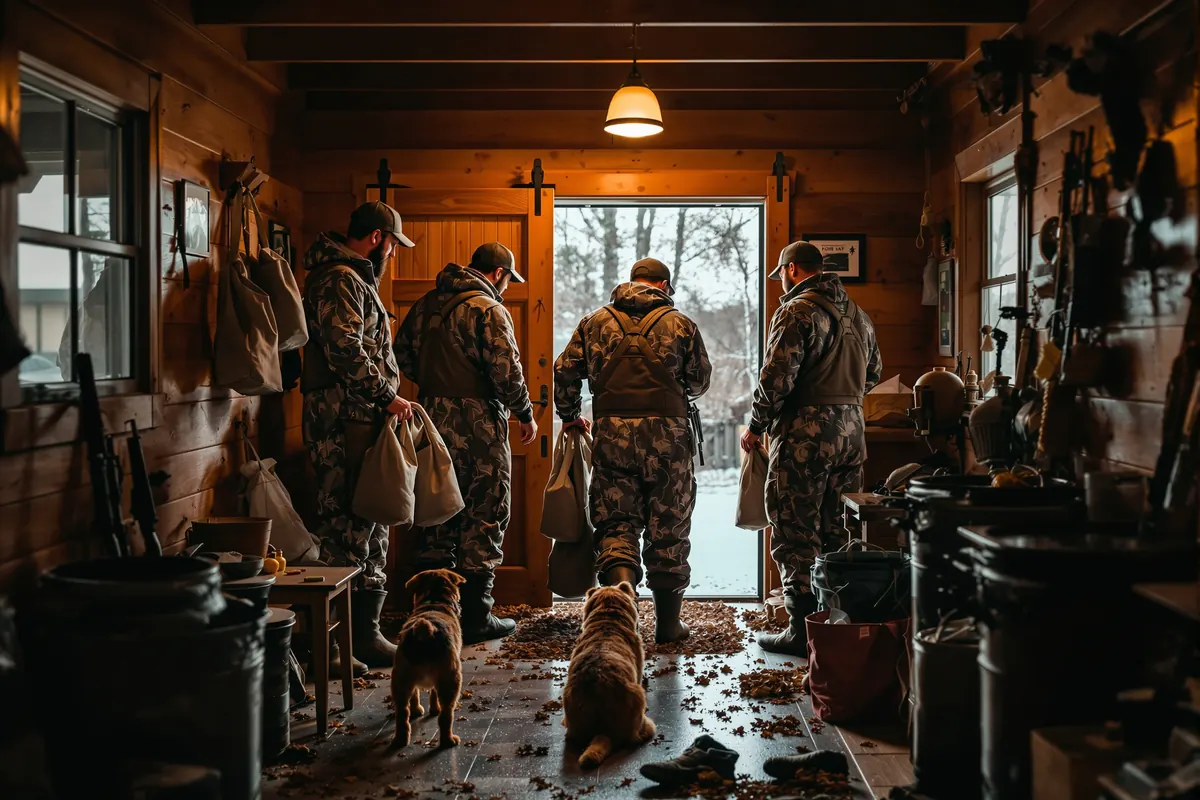
A new guide who arrives on the first morning of the season and gets handed a truck key is a risk. A short, consistent onboarding takes a day or two and prevents the mistakes that cost far more to fix mid-season.
- Paperwork: employment or contractor forms, copies of licenses and first aid cards, emergency contacts.
- Property walk: every blind, stand, field and boundary, with the no-shoot directions and neighbor lines.
- Safety standards: your pre-hunt briefing, firearm rules, harness and boat rules. Every guide should give the same talk; see our safety briefing guide.
- Emergency plan: where the nearest hospital is, where cell signal works, who to call.
- Client standards: how to greet hunters, what to say about harvest expectations, how to handle complaints, tipping etiquette.
- Equipment: trucks, boats, dogs, decoys and who is responsible for what.
- Systems: how the guide sees their schedule, checks hunter paperwork and logs harvests.
Put expectations in writing
A one-page guide agreement saves arguments in December. Cover the dates you need the guide, pay and when it is paid, what happens on weather days and cancelled hunts, lodging and meals, use of outfit vehicles and boats, tip handling, alcohol rules, and who to call when something goes wrong. Have an attorney review the template once, then use it for every guide so nobody wonders whether a friend got a different deal.
Pair each new guide with an experienced one for the first hunts. It is the fastest way to transfer the habits that are not written down.
Scheduling guides and giving them the right access
Once the crew is hired, the daily work of filling hunting guide jobs turns into matching guides to hunts. That gets complicated fast with several blinds, stands or boats, rotating parties and guides who cannot work every day.
In HuntReserve, the Hunt Calendar shows every hunt, with daily limits per hunt type, events and blackout days, so you do not sell more spots than you have guides for. Guides and staff get their own access level: a guide sees their own hunts and the hunters in them, while owners and managers see the money.
Before a hunt, the guide can check on the Check-In Board who has registered, signed the waiver, uploaded a license and paid. Messages and Camp Chat keep the crew talking, and the Harvest Log records species, location and guide, which gives you season totals and success rates by guide.
Lodges juggling rooms as well as guides can see the occupancy grid on our hunting lodge reservation software page, and waterfowl outfits running several blinds a morning should look at the waterfowl outfitter software page. The complete list is on our features page.
Keeping good guides
The best way to fill hunting guide jobs is to not have them open. Retention is recruiting. Guides come back to outfits that pay on time, schedule fairly, keep equipment working and back them up when a client is wrong. A short end-of-season conversation about what worked and what did not, and an early offer for next year, fills most of your crew before you ever post a job.
If you want the scheduling and paperwork side running before your next season, talk to us about your outfit.
Frequently asked questions
How do you find hunting guide jobs?
Many guiding jobs are filled through referrals and direct contact. Reach out to outfitters, lodges, preserves and clubs during their off-season, offer to help with pre-season work, and build references from people who have seen you work. Camp jobs such as packer, cook or dog handler are often the first step into guiding.
Do you need a license to be a hunting guide?
It depends on the state. Some states license guides and outfitters, and some do not. Montana, for example, requires licensed guides to be at least 18, endorsed by a licensed outfitter unless otherwise qualified, hold a wildlife conservation license and show current first aid certification. Check the licensing board where you plan to guide.
When do outfitters hire guides?
Usually months before the season, during off-season planning. Western big game outfitters often set crews in late winter and spring, while waterfowl and whitetail operations hire through spring and summer as blinds and stands go up. Openings close to the season are mostly replacements, so contact outfitters early.
What experience do you need to become a hunting guide?
Outfitters look for strong field skills in the species they hunt, safe firearm handling, reliability and people skills. First aid and CPR training, a clean wildlife violation record and practical skills such as boat handling or mechanical work all help. Many guides start in camp jobs and learn under experienced guides first.
Are hunting guides employees or independent contractors?
It depends on the facts of the working relationship, not the label. The IRS, the Department of Labor and state agencies each apply tests that look at control over the work, financial arrangements and the relationship. Outfitters should decide before the season and confirm the classification with a CPA or employment attorney.
Sources
Rules, fees and policies change. This guide was checked against the official sources above in October 2026. It is general information, not legal, tax or insurance advice: confirm the current details with the agency or a licensed professional before you rely on them.
Keep reading
More from the HuntReserve blog
How to Become a Hunting Guide: Skills, Licensing and Your First Season
The real path into guiding: field skills, hunter education and first aid, state licensing in places like Montana and Wyoming, earning an outfitter's endorsement and surviving a first season.
12 min read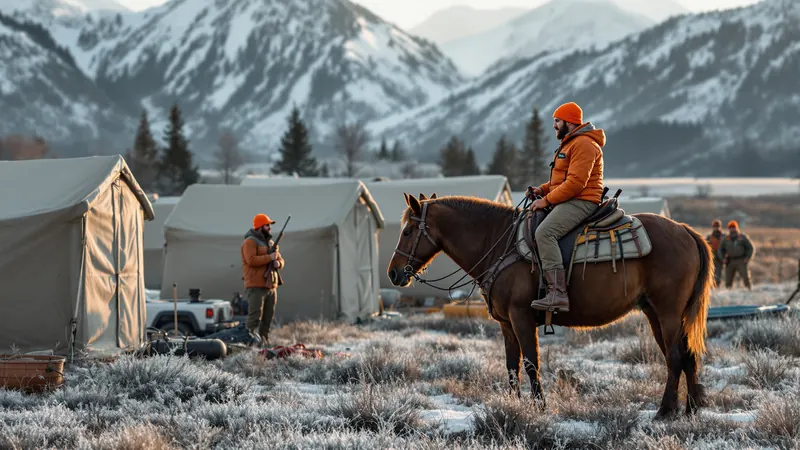
How Much Do Hunting Guides Make? Pay Models, Tips and What Moves the Number
Day rates, per-hunt pay, seasonal wages, tips, and room and board: how hunting guide income is really built, what pushes it up, and how outfitters can set pay that holds up.
12 min read
Hunting Guide License Requirements: Six States Checked at the Source
Guide licensing is set by each state, and the rules differ more than most people expect. Here is what six agencies require, plus the federal permit many guides forget.
12 min readSpend the season in the field.
Let HuntReserve run the office.
Tell us about your outfit. We'll call you, walk you through it with your own hunts and get you set up.