Home / Blog / Running your outfit
A career path for serious hunters
How to Become a Hunting Guide: Skills, Licensing and Your First Season
The real path into guiding: field skills, hunter education and first aid, state licensing in places like Montana and Wyoming, earning an outfitter's endorsement and surviving a first season.
Learning how to become a hunting guide starts with an honest look at the job. Guiding is not hunting with company. It is getting four strangers into a blind before shooting light, keeping a muzzle pointed somewhere safe while someone fumbles with a safety, and still finding birds or a bull when the weather turns.
The good news is that the path is clear in most places. You build field skills, collect a few certifications, satisfy your state's licensing rules if it has them, and convince an outfitter to put clients in your truck. This guide walks through each step in order, with the licensing details checked against state boards.
Short answer
To become a hunting guide, build deep field skills on the species you want to guide, finish hunter education, hold a current first aid card, and find out if your state licenses guides. States such as Montana and Wyoming require a guide license tied to a licensed outfitter, so most new guides start by working for one.
What the Work Looks Like Before You Commit
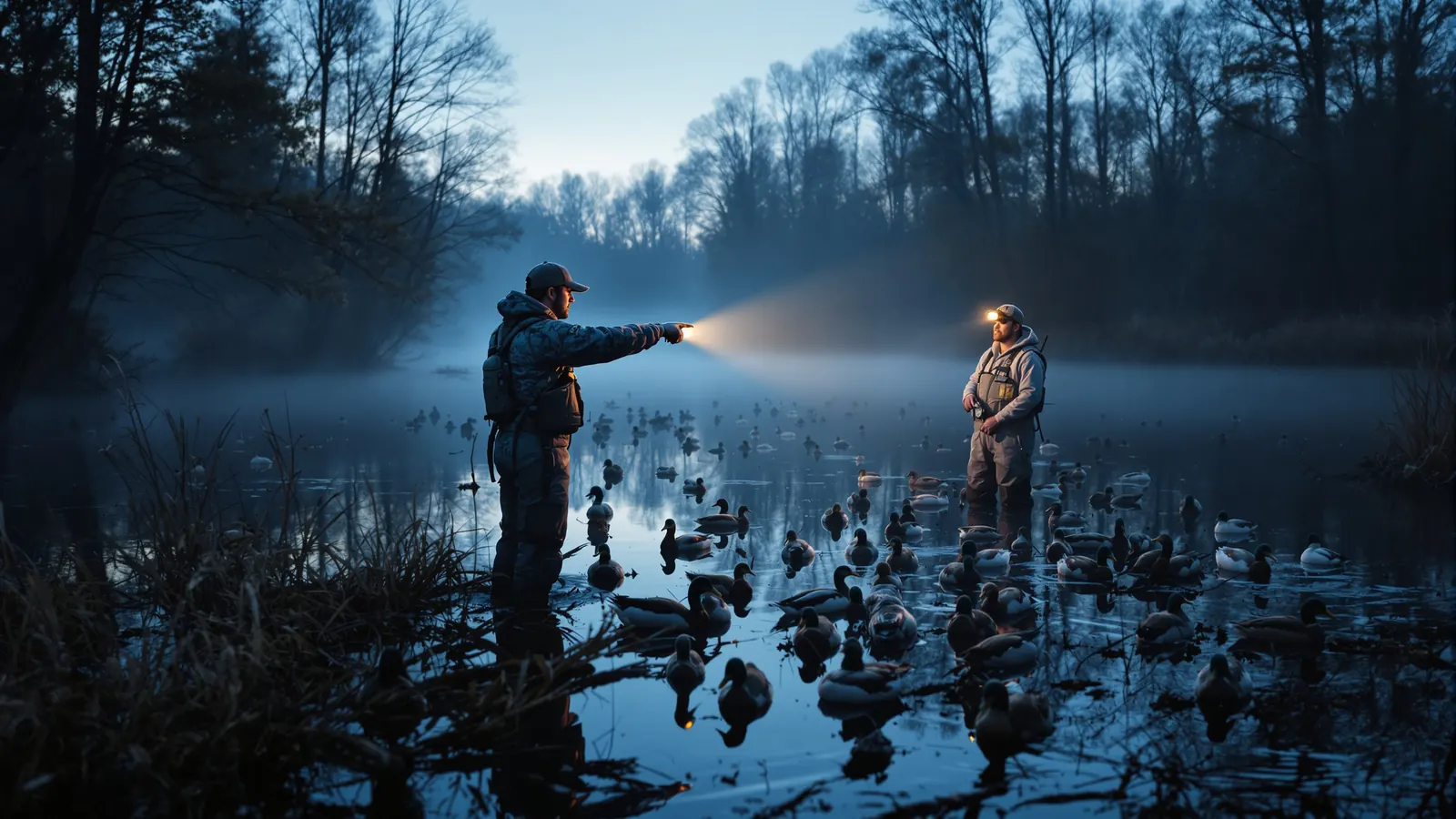
A paying hunter sees the part of the day with a gun in hand. The guide's day is longer on both ends. A typical waterfowl morning means a 3:30 alarm, hooking up the boat, setting a few dozen decoys in the dark, brushing the blind and then calling, reading birds and marking downed ducks for a dog. After the hunt you pick up, clean birds, and do it again tomorrow.
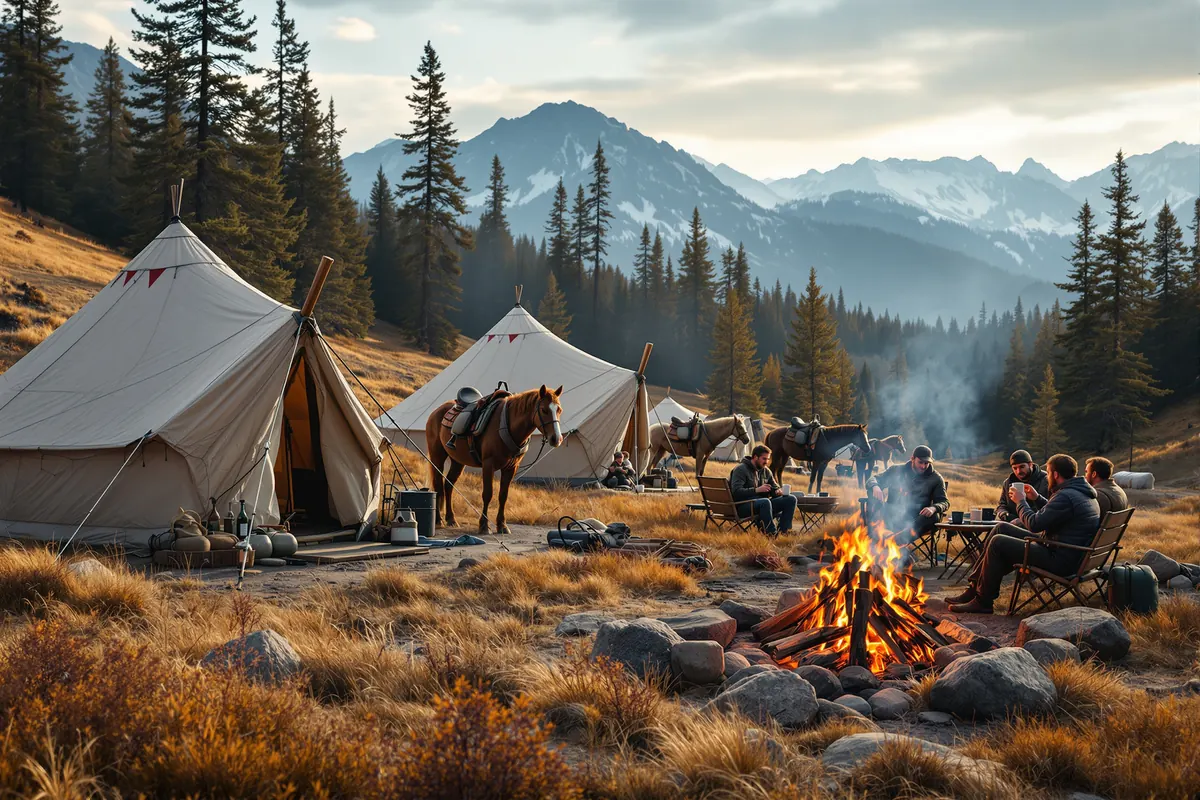
Big game guiding stretches the day further. On a backcountry elk hunt the guide may wrangle horses, glass for hours, pack quarters off a mountain and cook dinner. Whitetail guides spend afternoons checking cameras, hanging stands and driving hunters to and from sits on a tight schedule.
The parts nobody posts online
- Client management. You are part teacher, part safety officer and part host for people you met that morning.
- Repetition. The same field, the same blind or the same ridge for weeks at a stretch.
- Weather. Sleet, heat, wind and long days in all of it.
- Equipment. Outboards, trucks, ATVs and decoy spreads break, and the guide is often the one fixing them.
None of this is meant to scare you off. It is meant to help you decide with clear eyes, because the people who wash out of guiding usually loved hunting but did not expect the hours, the repetition or the responsibility for other people's safety. If that still sounds like the best job you can imagine, keep reading. Pay structures are covered separately in what hunting guides actually make, so this article stays on the path itself.
Field Skills an Outfitter Will Test You On
Outfitters hire guides who produce safe, enjoyable hunts without supervision. That comes down to a set of skills you can practice long before anyone pays you.
| Skill | What it means in practice | How to build it |
|---|---|---|
| Scouting and patterning | Knowing where animals will be at legal light, not where they were last week | Season after season on the same ground, with notes and maps |
| Calling | Ducks, geese, turkeys, elk or predators, depending on the outfit | Daily practice, recordings, and calling for friends who will tell you the truth |
| Shot judgment | Calling the shot, holding clients off bad angles, judging range | Range time, rangefinder habits, watching experienced guides |
| Field care | Field dressing, caping, quartering, keeping meat cool | Processing your own animals and helping friends with theirs |
| Equipment | Boats, trailers, ATVs, decoys, blinds, stands | Doing your own maintenance and learning basic repairs |
| Navigation | Finding your way back in the dark with a client and a heavy pack | Map and GPS work, plus learning the ground on foot |
Notice that the table never mentions owning expensive gear. Outfitters supply most of the boats, blinds and stands; what they cannot supply is judgment. Species matters. A bird guide who can run a dog and read a flight line is not automatically ready to guide sheep in the mountains, and the reverse is also true. Pick the hunting you already know best and become the person your friends call when they want to fill a tag.
People skills count as much as calling
The best guides read clients quickly. They notice the nervous first-timer who needs a quiet walkthrough of the safety plan and the veteran who wants to be left alone. They tell the truth about the forecast, explain the plan in plain words and keep a sense of humor on a slow morning. Outfitters notice those habits because they show up in repeat bookings.
Hunter Education and First Aid Come First
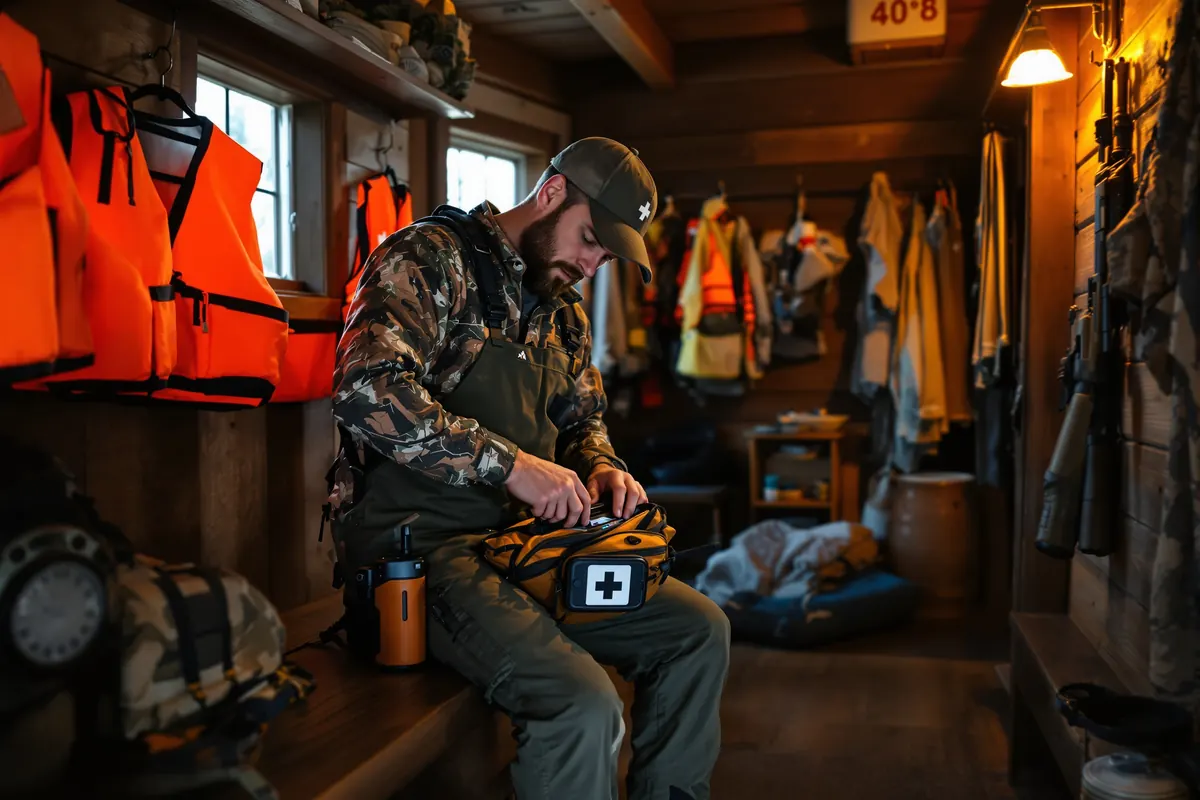
Two credentials show up again and again in guide requirements: hunter education and a current first aid certification. Get both early, because they cost little time and remove an excuse for an outfitter to say no.
- Hunter education. Every state runs a hunter education program, and many hunters already hold a card. Wyoming, for example, asks professional guide applicants born after January 1, 1966 to include a copy of their hunter education card, according to the Wyoming State Board of Outfitters and Professional Guides FAQ.
- First aid. Wyoming requires a valid first aid certification card with a guide application, and Montana's board asks for proof of current board approved basic first aid certification. Keep the card current, because an expired card can stall a license renewal.
- Beyond the minimum. Many guides add CPR and a wilderness first aid course on their own, since help can be hours away in elk country or on a big marsh. Nothing in this article says a state requires those extras; they are simply useful.
Pair the training with a written plan. Know where the nearest trauma center is from every property you guide, and how you will reach help where there is no cell signal. Anyone researching how to become a hunting guide should treat that plan as part of the job, not an extra. Our post on building an emergency action plan for camps and lodges covers that in depth.
How to Become a Hunting Guide in a State That Licenses Guides
Licensing is where the path splits by state. Some states license guides directly through a board, some register outfitters and regulate who may guide under them, and others have no guide license for many hunts at all. Three western examples, checked against each state's official materials today:
| State | Who issues it | Key requirements we verified |
|---|---|---|
| Montana | Board of Outfitters (Department of Labor and Industry) | Applicant must be 18; endorsed and recommended by a licensed outfitter unless otherwise qualified under board guide standards; hold a valid wildlife conservation license; submit proof of current basic first aid certification |
| Wyoming | State Board of Outfitters and Professional Guides | Must be employed by or work under independent contract with a licensed outfitter; first aid card; hunter education card if born after January 1, 1966; exam for new applicants or anyone not licensed within two years |
| Colorado | Office of Outfitters Registration (DORA) | Colorado registers outfitters; its rules address guides who work under a registrant. Confirm current guide requirements with the office |
Sources: the Montana Board of Outfitters licensed guide checklist, the Wyoming board FAQ linked above, and the Colorado Office of Outfitters Registration. Montana's checklist lists its own application fee; we left fees out because they change, so check the board before you apply.
The pattern behind the rules
Notice what Montana and Wyoming have in common: a new guide is attached to a licensed outfitter. You do not simply apply as a free agent and start taking clients. That is why the practical answer to how to become a hunting guide in the West is usually "get hired first, then license under that outfitter."
Alaska, Idaho and other states run their own licensing systems, each with its own requirements. Rules differ for federal land permits, nonresident guides and fishing. For a wider state comparison, see our overview of the hunting guide license rules, then read your own state board's current rules before relying on any summary, including this one.
Earning an Outfitter's Endorsement
Because so many licenses run through an outfitter, the real gate is convincing one to take a chance on you. Outfitters are trusting you with their clients, their reputation and in many cases their state license. Here is how newer guides usually earn that trust.
- Start as camp help. Packers, wranglers, cooks and bird cleaners see how a camp runs and get noticed when a guide slot opens.
- Work the off season. Building blinds, planting food plots, brushing duck holes and hanging stands shows you will do the unglamorous work.
- Bring a reference who hunts. A game warden, biologist, longtime landowner or respected guide who has watched you in the field carries weight.
- Show your paperwork is ready. Hunter education, first aid, a clean record and a valid driver's license make the outfitter's decision easy.
- Be honest about your experience. Saying you have called geese for ten seasons but never guided a paying client is better than overselling.
Where to find openings, how seasonal hiring timelines work and what to put in a guide résumé are covered in our companion piece on hunting guide jobs.
Your First Season, Week by Week
The first season tends to follow a rhythm. Knowing it ahead of time helps you set expectations with family and with a day job if you keep one.
Preseason
Expect long scouting days, equipment work and learning property boundaries. On a waterfowl operation that means learning every blind, every boat ramp and which fields the outfitter has permission to hunt. On a big game outfit it means learning trails, camps and the outfitter's rules on what clients may shoot.
Opening weeks
New guides are often paired with a veteran or given the clients who are easiest to please. Watch how the senior guide runs a safety talk, sets up hunters for a shot and handles a miss without embarrassing anyone.
Mid season
Fatigue sets in. Back to back hunts with no days off are common during peak weeks. Sleep, food and simple routines keep you sharp enough to stay safe.
Late season and wrap up
Pulling decoys, closing camps and caring for horses and equipment. This is also when outfitters decide who they want back next year, so finish as strong as you started.
Keep a simple journal through the season: weather, where birds or animals moved, what each client struggled with, and what you would do differently. Those notes become your scouting file for next year and the evidence you bring to the outfitter when you ask for more responsibility.
Seasons vary by species and region. A guide who chases waterfowl in fall, turkeys in spring and hogs in summer can stay busy most of the year, while a single species elk guide may work a few intense months and spend the rest of the year doing something else.
The Paperwork Side of Guiding Clients
Modern guiding includes administrative work that older guides never had to think about. You may be asked to confirm that each hunter has signed a waiver, uploaded a license and been briefed on safety before you leave the truck. You may log every harvest by species, location and guide so the outfitter can file the right state reports.
Outfitters who run booking software can give guides their own login. In HuntReserve, guides see the hunts assigned to them, the party size and notes, while money stays visible only to owners and managers. A guide can check the Check-In Board to see who has signed and paid, record harvests in the Harvest Log, and in camps with no signal, collect waivers and license photos on a tablet in Camp Mode so they sync later.
- Know where waivers live and which hunters still owe one.
- Confirm licenses and any required stamps before the first shot.
- Record harvest details the same day while they are fresh.
- Pass client notes (bad knee, first hunt, left handed shooter) to the next guide.
Guides who handle this cleanly save the owner real time, and that is noticed when it is time to hand out the best clients. Part of learning how to become a hunting guide today is accepting that the clipboard, or the tablet, is part of the kit.
How to Become a Hunting Guide Who Lasts Past Year One
Some guides spend whole careers working for a single outfit they believe in. Others eventually lease ground, build a client list and start their own operation. Both paths are respectable, and knowing which one you want changes how you spend your first few seasons.
- Staying a guide. Deepen one specialty, become the person the outfitter sends the hardest clients to, and keep certifications current year after year.
- Becoming an outfitter. Learn the business side early: land access, insurance, deposits, marketing, state outfitter licensing and how clients actually book.
If you are headed toward running your own outfit, our guide on starting a hunting outfitter business picks up where this article ends. The operating side is what outfitter software is built for: booking pages, waivers, deposits, harvest logs and guide scheduling in one place. When you reach that point, you can talk to us about your outfit.
Until then, the formula for how to become a hunting guide stays simple. Hunt hard, learn the rules where you live, get your certifications, and make an outfitter's life easier every single day you work for them.
Frequently asked questions
Do you need a license to be a hunting guide?
It depends on the state. Montana and Wyoming license guides through state boards, and both tie the guide to a licensed outfitter. Colorado registers outfitters and regulates guiding under a registrant. Other states have no guide license for many hunts. Always check your own state's board or wildlife agency, plus any federal land permit rules, before you take a paying client.
How old do you have to be to become a hunting guide?
Age rules are set by each state. Montana's licensed guide checklist lists 18 as the minimum age for a guide license. Other states set their own minimums or none at all for unlicensed guiding. Outfitters may also set their own hiring age because of insurance requirements, so ask the outfitter as well as the state.
Can you become a hunting guide with no experience?
Not as a lead guide on day one. Most people start as camp help, packers, bird cleaners or assistants and earn a guide slot after an outfitter sees how they work. Hunting your own ground for years, learning to call, and processing your own animals are the experience that counts most when an outfitter decides to hire you.
What certifications should a new hunting guide get?
Start with hunter education and a current first aid card, since several states ask for both with a guide application. Many guides also take CPR and a wilderness first aid course because help can be far away. Depending on the operation, a boat operator credential or other specialty training may come up, so ask the outfitter what they expect.
Is hunting guiding a full-time job?
For many guides it is seasonal. Peak weeks can mean long days with no breaks, followed by months with little or no guiding work. Guides who combine species, such as waterfowl in fall, turkeys in spring and hogs in summer, can stay busy more of the year. Many keep a second trade for the off season.
Sources
- Montana Board of Outfitters: Licensed Guide checklist
- Wyoming State Board of Outfitters and Professional Guides FAQ
- Colorado Office of Outfitters Registration (DORA)
Rules, fees and policies change. This guide was checked against the official sources above in October 2026. It is general information, not legal, tax or insurance advice: confirm the current details with the agency or a licensed professional before you rely on them.
Keep reading
More from the HuntReserve blog
Hunting Guide License Requirements: Six States Checked at the Source
Guide licensing is set by each state, and the rules differ more than most people expect. Here is what six agencies require, plus the federal permit many guides forget.
12 min read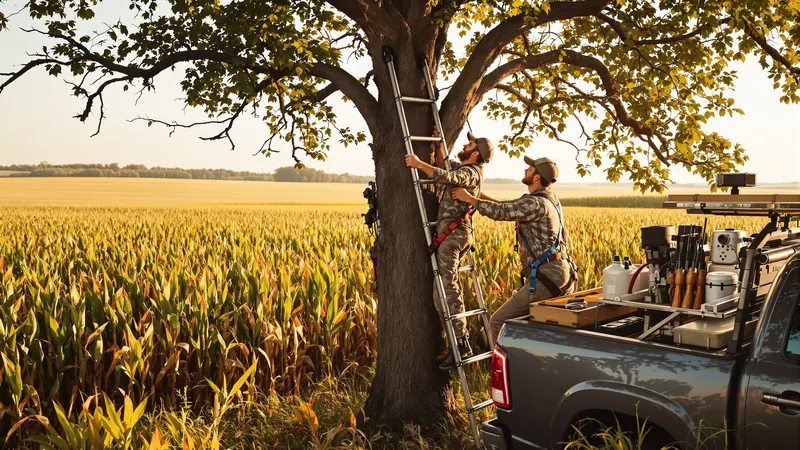
Hunting Guide Jobs: Finding Work, and Hiring the Right Guides
Where guiding work actually comes from, the hiring calendar, what outfitters look for and how to apply, plus how outfitters can post, hire, onboard and schedule seasonal guides.
12 min read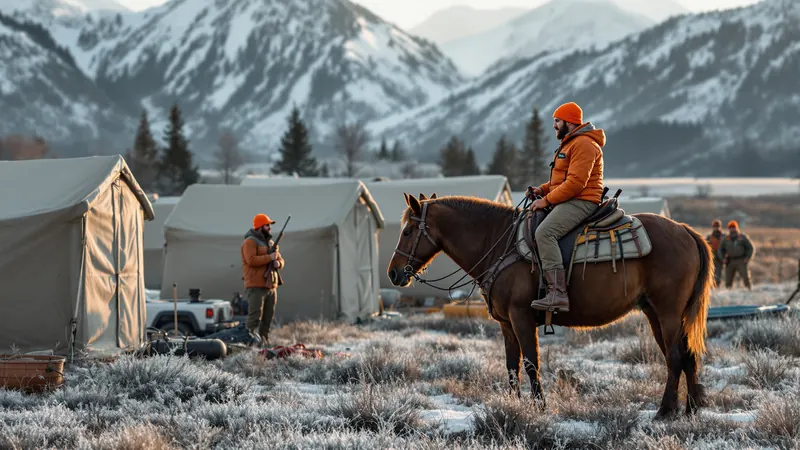
How Much Do Hunting Guides Make? Pay Models, Tips and What Moves the Number
Day rates, per-hunt pay, seasonal wages, tips, and room and board: how hunting guide income is really built, what pushes it up, and how outfitters can set pay that holds up.
12 min readSpend the season in the field.
Let HuntReserve run the office.
Tell us about your outfit. We'll call you, walk you through it with your own hunts and get you set up.