Home / Blog / Fishing charters
Career path for future guides
How to Become a Fishing Guide, From First Skills to First Season
The real path from good angler to paid guide: picking freshwater or saltwater, the licenses that apply, skills clients actually pay for, working for a lodge first and building a client list.
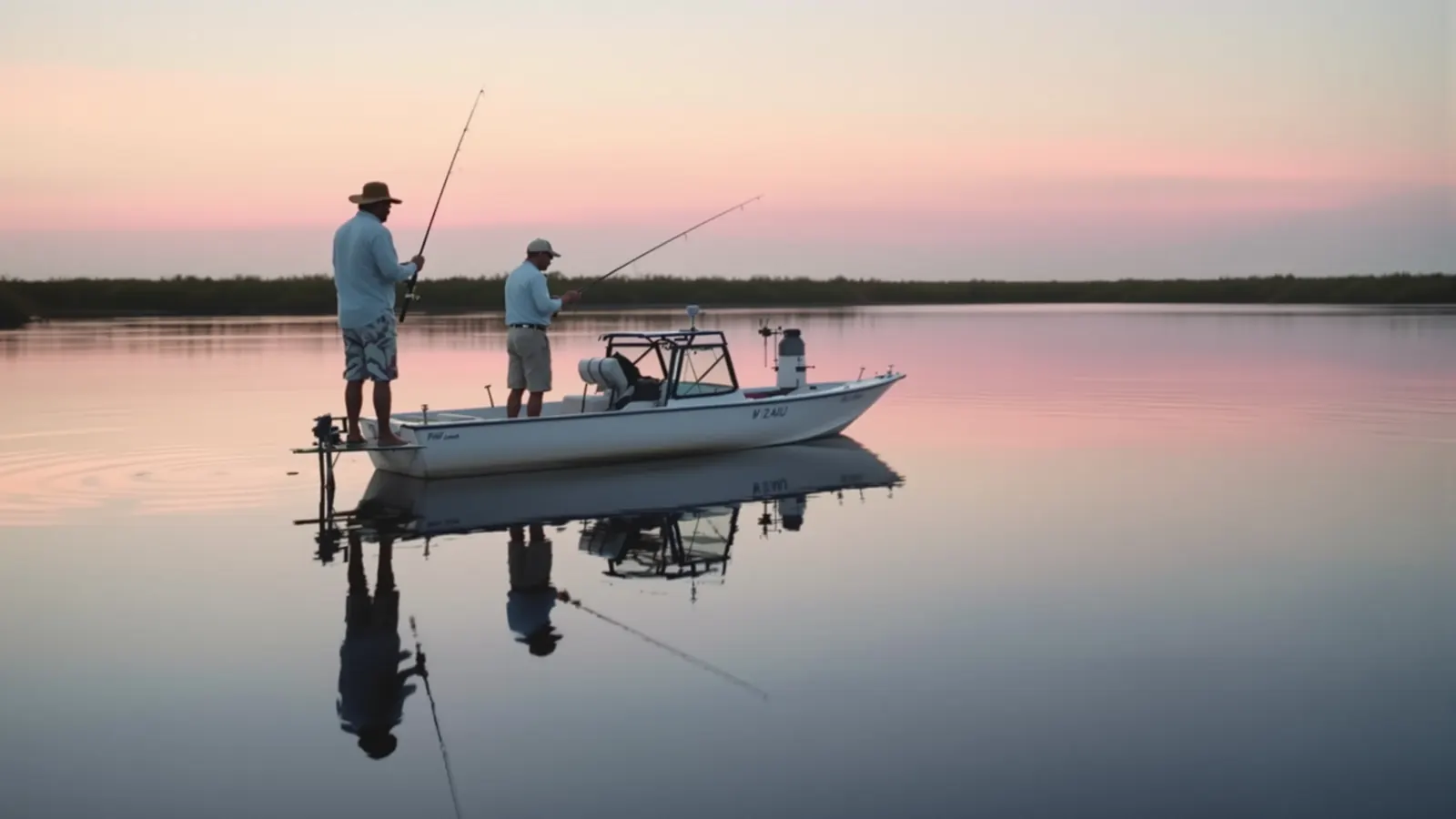
Figuring out how to become a fishing guide starts with an honest question: do you want to fish for a living, or do you want to put other people on fish for a living? They are different jobs. A guide spends the day rigging, netting, untangling, coaching, cleaning and keeping a boat full of strangers safe and in a good mood, often while barely touching a rod.
If that still sounds like the best job on the water, this guide lays out the path in order: choosing your water, the licenses that may apply, the skills that matter, getting experience under someone else's flag, and building your own book of anglers. Licensing rules are set by states and the Coast Guard and they change, so confirm every requirement with the agency before you take money from a client.
Short answer
To become a fishing guide, pick your water (freshwater or saltwater, wading or boat), build local skill on it, check your state's guide or charter license and any Coast Guard credential required to carry paying passengers, add first aid and CPR, gain experience working for an established guide or lodge, then build a client base.
Pick your water before anything else
The type of guiding you want decides almost everything that follows: which licenses apply, what boat you need, what skills you build and who your clients are. Most guides fall into one of a few lanes:
| Type | Typical day | What it demands |
|---|---|---|
| Freshwater wade or drift | Trout or smallmouth on rivers, from a drift boat, raft or on foot | Reading water, rowing, fly casting instruction, river safety |
| Freshwater lake and reservoir | Bass, walleye, crappie or stripers from a powerboat | Electronics, seasonal patterns, boat handling, early starts |
| Inshore saltwater | Redfish, trout, snook or flounder in bays and flats | Tides, weather, poling or trolling motor work, local regulations |
| Nearshore and offshore | Reef fish and pelagics from a larger boat | Seamanship, offshore safety gear, federal fishery rules, a bigger budget |
| Lodge or fly-in | Guiding guests at a remote lodge for a season | Living on site, long stretches without days off, hospitality |
Pick the lane where you already have local knowledge. Clients pay a guide to skip the learning curve on a specific piece of water, so a guide who has fished one river or bay for years usually beats a guide who knows a little about everywhere.
What a guide's day really looks like
Anyone weighing how to become a fishing guide should picture a normal working day, not the best day of the year. On a typical half or full day trip, the hours look something like this:
- Before dawn: check the weather and wind one more time, catch or buy bait, fuel the boat, load ice and drinks, and confirm the meeting spot with the client.
- At the ramp or dock: launch, greet the party, run a safety briefing, fit life jackets and set expectations for the day.
- On the water: run to spots, position the boat, rig and re-rig, net fish, take photos, coach casts, fix tangles and keep an eye on clouds building to the west.
- Back at the dock: clean fish, take payment or confirm the balance, ask for a review, and help load the coolers.
- Evening: wash and flush the boat, fix whatever broke, respond to inquiries, confirm tomorrow's trip and get to bed early.
Stack that five or six days a week through a busy season and the job becomes physical and repetitive. The guides who last tend to protect their days off, keep the boat and trailer maintained before anything fails, and hand off as much office work as they can so evenings are not swallowed by messages.
The seasons matter as well. Many waters have a peak window when every date sells and a slow stretch when the phone barely rings. Plan income around that curve, not around the best month.
Licenses and credentials to research
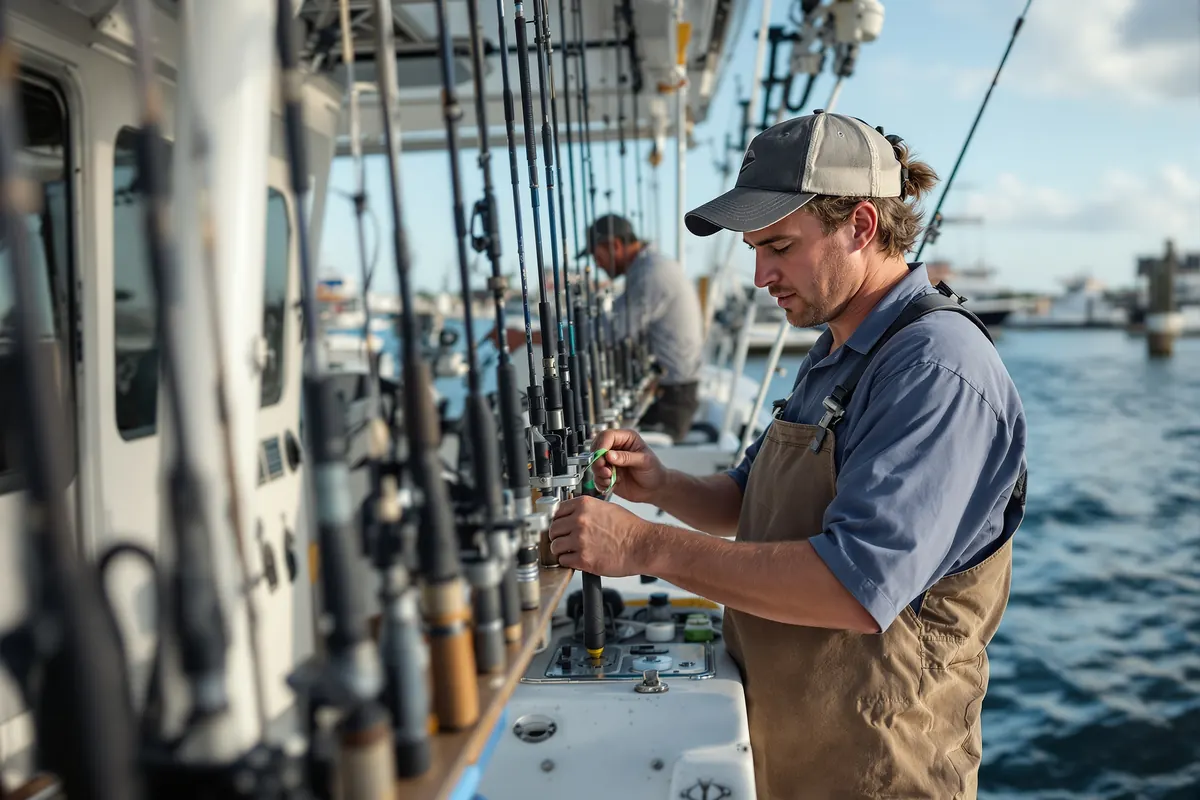
There are usually two layers: a state license to guide or run charters, and a federal Coast Guard credential when paying passengers ride on a motorized vessel. The details vary sharply by state, so treat these examples as a picture of how different the rules can be, and read our state-by-state fishing guide license overview for more.
Texas: a guide license for public waters
Texas casts a wide net. Per the TPWD fishing licenses page, if someone pays you to take them out, help them or ferry them while they fish on the state's public waters, you need a guide license. TPWD lists a Freshwater Fishing Guide License at $132, a Resident All-Water Fishing Guide License at $210 and a Non-resident All-Water license at $1,050. Paddle-craft versions are listed as well, and the agency's commercial licensing pages explain what each one requires.
Florida: saltwater charters licensed, freshwater guides not separately
Florida splits by water. The FWC saltwater charter license page makes its charter licenses mandatory for any saltwater trip with paying customers aboard, and you cannot buy the captain version until you hold a Coast Guard captain's license. Freshwater and surf guides sit outside that license: FWC says it adds no separate guide license for them, and they and their clients simply follow the recreational fishing license rules.
The Coast Guard credential
Many new guides start with the Operator of Uninspected Passenger Vessels endorsement, the "six-pack." Under 46 CFR 11.467, it covers vessels of less than 100 GRT carrying six or fewer passengers, and a near-coastal endorsement requires at least 12 months of experience operating vessels, including 3 months on ocean or near-coastal waters. Our posts on the 6 pack captain license and the broader captain license walk through the application.
Skills that clients actually pay for
Catching fish is the entry fee. What separates a busy guide from one who sits at the dock is everything around the catch. If you are serious about how to become a fishing guide that anglers rebook, work on these deliberately:
- Teaching. Most clients are not experts. A guide who can fix a cast, explain a hookset or slow down a nervous beginner gets rebooked.
- Boat handling. Docking in wind, holding position on a drift, running in the dark and trailering cleanly in front of a crowd at the ramp.
- Rigging speed. Retying, re-leadering and untangling for three anglers while keeping lines in the water.
- Reading conditions. Wind, tide, water temperature, clarity and pressure, and having a plan B and plan C when the first spot is dead.
- Safety and first aid. Hooks in hands, heat, cold water, lightning. A current first aid and CPR card is a sensible baseline even where it is not required.
- Fish handling. Quick photos, proper release and clean filleting.
- Hospitality. Remembering names, managing a boat with mixed skill levels, and keeping the mood good on a slow day.
Physical fitness belongs on the list too. Poling a skiff into the wind, rowing a loaded drift boat through a rock garden or pulling anchor all day is hard work, and it does not get easier at the end of a long season. Guides who stay in shape tend to stay in the business longer.
Spend a season taking friends and family out as if they were paying clients. Time yourself rigging, practice your safety briefing out loud, and notice where the day drags.
Work for an established guide or lodge first
The fastest route for most people is to learn on someone else's business. Lodges, outfitters and charter operations hire seasonal guides and deckhands, and those jobs teach things no video can: how a busy dock runs at 5 a.m., how a head guide handles a client complaint, how weather cancellations get handled, and how to rotate water so it is not burned out by midseason.
Ways in:
- Deckhand or mate on a charter boat. You learn rigging, fish handling and customer care while building sea time the Coast Guard may count toward a credential.
- Camp hand or junior guide at a fishing lodge. Remote lodges often hire for the whole season and need people who can do a bit of everything.
- Shuttle driver or shop staff at a fly shop that runs guided trips. It puts you in front of the head guides every day.
- Trading days with a guide you respect: help with boats and gear in exchange for time on the water.
Treat the first job like an apprenticeship. Keep a notebook of what the head guide does on tough days: which spots they fall back to, how they talk to a client who is not catching, and how they decide when the weather is too much. That notebook is worth more than any tackle you buy that year.
Ask direct questions when you apply: is the job employment or contract work, who supplies the boat and gear, and how are tips handled. Our post on tipping fishing guides shows how anglers usually think about it.
How to become a fishing guide on your own
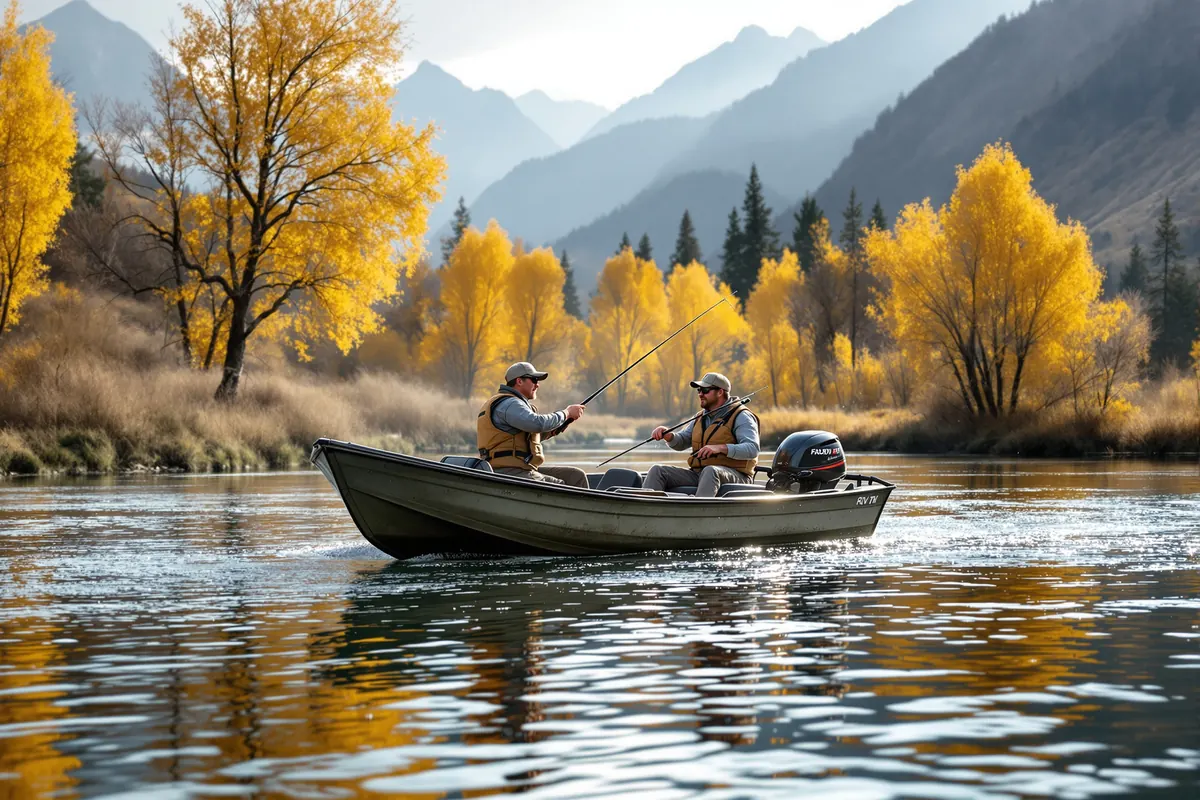
Going independent is a business decision as much as a fishing one. Before your first paid trip, have the basics in place:
- Legal footing: the state guide or charter license where you operate, any Coast Guard credential your trips require, and any local business license.
- Insurance: talk with a licensed agent about liability and boat coverage. Our post on charter boat insurance covers what underwriters look at.
- A clear trip menu: half day, full day, species, what is included (tackle, bait, licenses, fish cleaning) and what is not.
- Policies in writing: deposits, weather cancellations, rescheduling and no-shows.
- A waiver: drafted or reviewed by an attorney in your state, signed by every angler before the trip.
- Record keeping: income, expenses and mileage from day one, with a CPA for taxes.
If you plan to grow beyond guiding into a multi-boat operation, our guide to starting a fishing charter business covers entity, vessel and federal permit questions in more depth.
Building a client list from zero
Every guide starts with an empty calendar. The guides who fill it treat the first two seasons as a marketing project, and they track where each booking came from.
- A simple website with a page per trip. Species, season, what is included, what to bring, price and a way to book or ask a question.
- A Google Business Profile. Most guides without a storefront set it up as a service-area business. Our post on Google Business Profile optimization covers the rules.
- Reviews from every trip. Ask on the ride back to the dock, then follow up the same day.
- Photos and short fishing reports. Honest reports, including slow days, build more trust than highlight reels.
- Referral partners. Fly shops, tackle stores, hotels, rental houses and other guides who are booked solid on your open dates.
- Repeat anglers. An email in the off season with the best dates for next year often fills the calendar before you advertise.
Anyone researching how to become a fishing guide should know this part takes longer than earning the licenses. Expect the first season to be thin and plan your budget accordingly.
Running the business side without drowning in it
Most guides hit the same wall by year two: the fishing is fine, but the texts, deposits, reschedules, waivers and reminders eat every evening. That is the part HuntReserve is built to handle for guides and charters.
Anglers book from your booking page or a Book button on your own site, choose a date, party size and add-ons, and pay a deposit.
The balance is invoiced automatically before the trip with a pay link, and overdue reminders go out on their own. Payments land in your own Stripe account, with optional split payments so each angler in a group pays their share. Each angler signs your waiver on their phone before the trip. Automatic reminders cover balance due, missing paperwork, what to bring and a day-before message, and a waitlist offers a cancelled spot to the next angler with a 24 hour claim link.
The calendar shows hourly and 16 day forecasts, wind, pressure trend, sunrise and sunset, moon phase and USGS river levels, which helps when deciding whether to run a trip or move it. See how it works on our software for guides and charters page, read the full features list, or get started before your first season.
How to become a fishing guide in a year: a realistic timeline
Every path is different, but a common first year for someone learning how to become a fishing guide looks roughly like this:
- Off season: pick your water, read the state and Coast Guard requirements, start logging time on the water, and take a first aid and CPR course.
- Spring: work as a deckhand, camp hand or junior guide. Learn from the people already doing it.
- Summer: finish license applications that apply to you. Build a simple website and Google profile.
- Fall: run a limited number of trips for friends of friends, collect reviews and refine your trip menu.
- Next winter: review what you earned and spent, adjust prices and policies, and open bookings for the next season early.
Nothing on that list is glamorous. All of it shows up in the difference between a guide who lasts one season and one who is still on the water ten years later.
Frequently asked questions
Is a license required to guide anglers for pay?
In many places, yes. Texas requires a fishing guide license for anyone guiding for compensation in public waters. Florida requires a charter license for saltwater for-hire trips, while freshwater guides do not need an extra FWC guide license. Taking paying passengers out on a motorized boat may also require a Coast Guard credential.
What is a six-pack license?
It is the common name for the Coast Guard Operator of Uninspected Passenger Vessels endorsement. Under federal regulations it covers vessels under 100 gross registered tons carrying six or fewer passengers. Experience requirements depend on the route, such as near-coastal or inland waters. Check current Coast Guard requirements before you apply.
Can you be a fishing guide without a boat?
Yes. Wade guides, shore and surf guides, and guides who work from a lodge's boats all exist. Many new guides work for an established outfit that supplies the boat. Licensing still applies based on where and how you guide, so check the state agency's rules for non-boat guiding as well.
How long does it take to become a fishing guide?
It varies widely. The license steps alone can take months, and a Coast Guard credential requires documented time operating vessels. Building enough local knowledge and a client list usually takes at least a full season or two. Working as a deckhand or junior guide first often shortens the path.
Should a new guide work for a lodge or go independent?
Many start at a lodge or with an established charter because it provides clients, equipment and mentoring while they learn. Going independent offers more control and income per trip but carries licensing, insurance, marketing and booking work. Some guides do both, guiding for a lodge in peak season and running their own trips in the shoulder months.
Sources
- Texas Parks and Wildlife Department: Fishing Licenses and Packages (fishing guide licenses)
- Florida Fish and Wildlife Conservation Commission: Saltwater Charter License
- eCFR 46 CFR 11.467, Requirements for a national endorsement as OUPV
Rules, fees and policies change. This guide was checked against the official sources above in October 2026. It is general information, not legal, tax or insurance advice: confirm the current details with the agency or a licensed professional before you rely on them.
Keep reading
More from the HuntReserve blog
Fishing Guide License Rules by State: Texas, Florida, Wisconsin and Beyond
Some states sell a dedicated guide license, some license the charter boat instead, and almost all care about your Coast Guard credential. Three verified state examples and how to research yours.
12 min read
The 6 Pack Captain License (OUPV): What It Allows and How Charters Run on It
The six-pack credential is the entry ticket for small fishing charters. What counts as a passenger for hire, what the Coast Guard requires and where the license stops.
12 min read
How to Start a Fishing Charter Business, From Credential to First Booking
The order of operations for a new charter: pick the model, get the right Coast Guard credential, match the boat to it, add state and federal permits, insure, set up bookings and fill the calendar.
12 min readSpend the season in the field.
Let HuntReserve run the office.
Tell us about your outfit. We'll call you, walk you through it with your own hunts and get you set up.