Home / Blog / By hunt type
Pen-raised quail, pheasant and chukar
How to Start and Run a Licensed Shooting Preserve
Licensing examples from Georgia and Wisconsin, land and layout, buying healthy birds through NPIP flocks, release records, day hunts versus memberships, and how bird counts shape every booking.
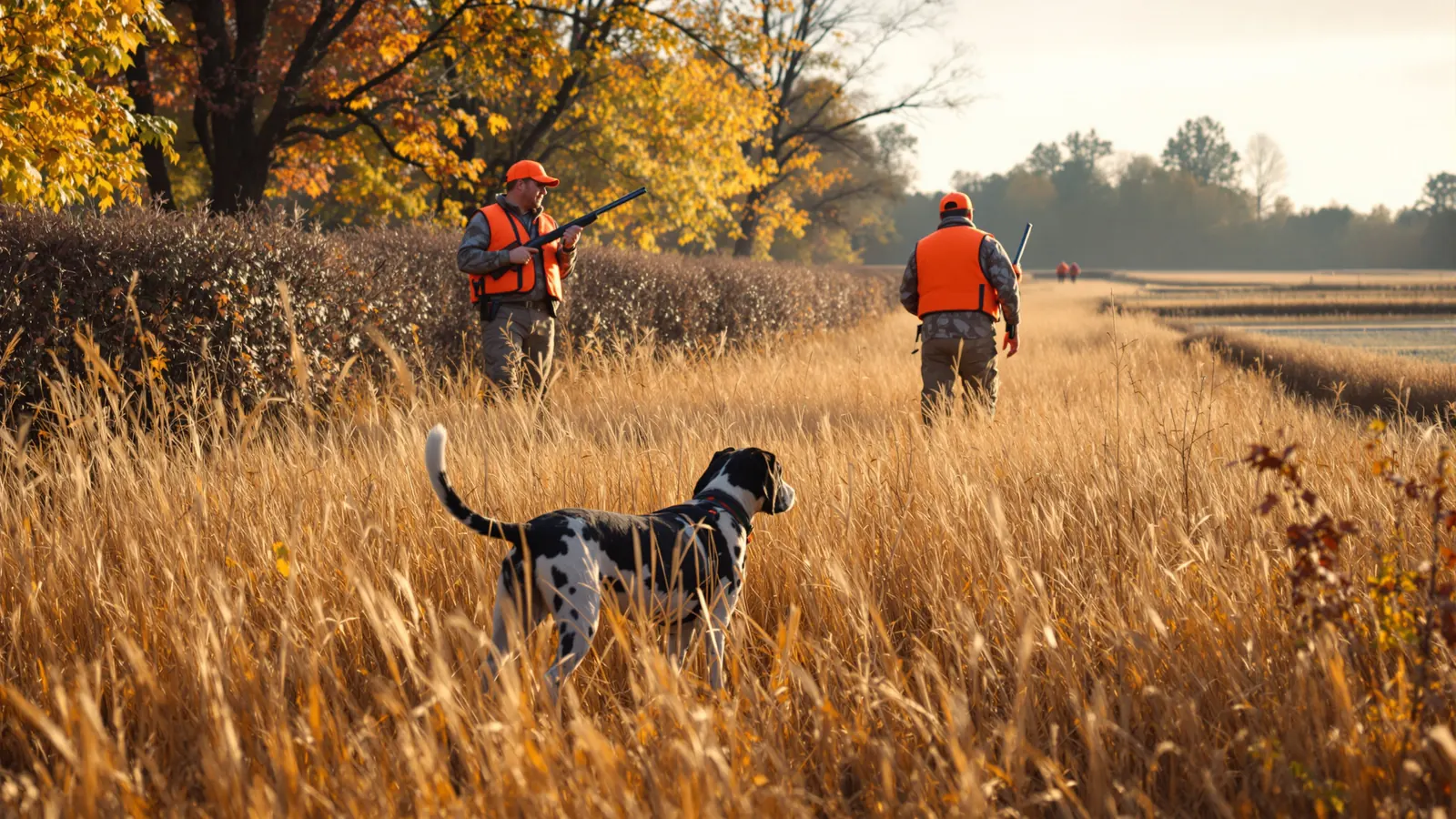
A shooting preserve is a licensed property where hunters pay to hunt pen-raised game birds such as bobwhite quail, ring-necked pheasants and chukar, usually over pointing dogs or flushers and often outside the regular wild bird season. Done well, it is a dependable upland business that does not depend on a wild population having a good year.
It is also a regulated business with livestock, land, guns and dogs in the mix. This guide walks through licensing, land, birds, records, business models and the day-to-day booking details. Licensing examples come from official state sources checked today, but rules vary widely, so treat them as examples and confirm with your own state wildlife agency.
Short answer
To start a shooting preserve, get the state license your wildlife agency requires, which may set minimum acreage, boundary signs and inspection. Buy birds from healthy, disease-tested sources such as NPIP flocks, keep records of every bird released and taken, and choose a model: day hunts priced by birds, memberships, or both.
What a Licensed Preserve Is and Is Not
The core idea is simple: you raise or buy game birds, release them on your land, and sell hunts for them. States license preserves so they can tell legally released birds from wild ones, protect wild populations and keep records of what is released and taken.
| Operation type | Birds | Typical setup |
|---|---|---|
| Licensed shooting preserve | Pen-raised, released by the operator | State license, defined boundaries, release and harvest records |
| Wild bird lease or plantation | Wild birds managed through habitat | Regular seasons and bag limits apply; habitat work is the product |
| Hunting club with released birds | Mix of released and wild | Membership rules, still subject to state release and preserve laws |
Many operators blend these. A quail plantation may manage wild coveys and also hold a preserve license for released birds, and a club may run its pheasant fields as a licensed preserve. If members will own and run the property together, our guide on starting a hunting club covers bylaws, dues and the club side of the structure.
Shooting Preserve Licensing: Two State Examples
Every state handles shooting preserve licensing differently, and some use other names such as controlled shooting areas, regulated hunting grounds or bird hunting preserves. Two examples show the kinds of requirements to expect.
Georgia
Georgia DNR's commercial shooting preserve application memo lists these points for applicants:
- A minimum of 100 contiguous acres, with each permit valid for up to 1,000 acres; larger preserves need an additional permit for each additional 1,000 acres or portion.
- If the land is leased, the lease must run at least one year from the application date and is subject to department approval.
- A description of facilities for holding pen-raised birds and of planned operations.
- Boundary line markers installed before the application can be approved.
- A complete record of all birds propagated, released or taken, including the name, address and phone number of each supplier.
- Inspection by DNR personnel before approval and at any reasonable time afterward.
The memo also says every patron must hold a valid Georgia hunting privilege, and that hunters on a properly licensed preserve may be covered by firearm safety instruction from the preserve instead of a standard hunter education course, with the operator attesting to it. The memo carries a revision date, so confirm current terms with Georgia DNR's Wildlife Resources Division before applying.
Wisconsin
Wisconsin's bird hunting preserve statute creates two license classes. A Class A license requires stocking at least 1,001 adult pheasants during the license year; a Class B license prohibits stocking more than 1,000, and Class B holders with pheasants must stock at least one adult pheasant per four acres. The statute lists the species the department may authorize, including pheasants, quail, gray, chukar and red-legged partridge, and captive-bred mallards, and it says the number of birds of a species killed in a year may not exceed the number stocked.
Choosing and Laying Out the Land
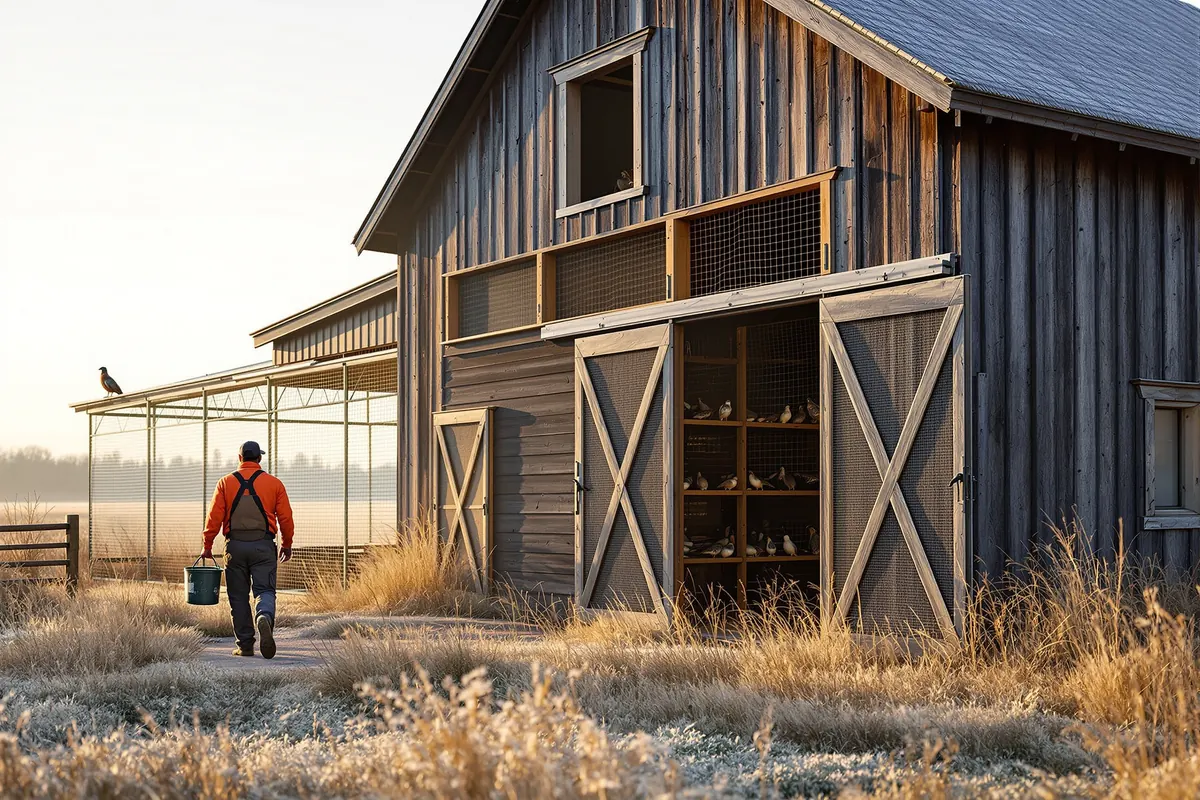
The land decides what kind of hunt your shooting preserve can sell. A preserve hunt that feels like a real day afield sells better and draws repeat clients more than one where birds are planted in short grass twenty yards from the truck.
- Cover. Native grasses, food plot strips, brushy edges and hedgerows hold released birds and give dogs something to work. Plant and mow in strips so you can rotate fields.
- Field size and rotation. Several fields let you rest ground between hunts, run more than one party at a time and keep scent fresh for dogs.
- Safety zones. Map houses, roads, livestock, parking and neighbors' boundaries, and keep shooting directions well away from them.
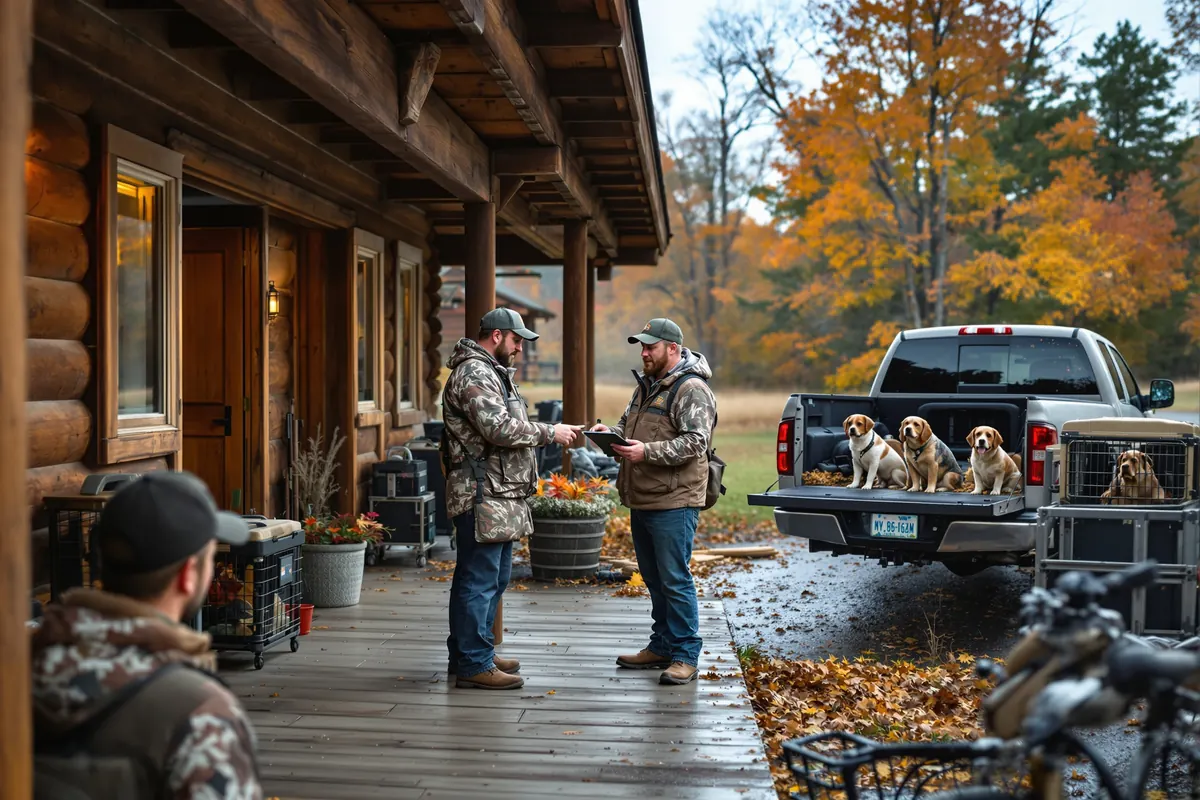
- Access. Hunters need parking, a check-in spot, a place to clean birds and somewhere to wait out rain.
- Boundaries. Many states require posted boundaries for licensing, as Georgia does. Mark them clearly before the inspection.
Planting decisions overlap with dove and food plot work; our article on managing a dove field covers seed choices and timing that apply to upland strips as well. Keep a map of every field, release area and blind so every guide knows the plan. HuntReserve's property maps hold fields, blinds and stands in one place for the whole staff.
Buying Healthy Birds and Why NPIP Matters
A shooting preserve is only as good as its birds. Weak, poorly feathered birds that will not fly ruin hunts and reputations, and sick birds can spread disease to your flocks and to wild birds.
The National Poultry Improvement Plan
The National Poultry Improvement Plan describes itself as a cooperative industry, state and federal program, with standards developed jointly by industry, state governments and federal officials, and run day to day through Official State Agencies in each state. Its list of covered birds includes pheasants, quail, chukars and grouse alongside chickens and turkeys. Buying from suppliers whose flocks participate in NPIP programs is one way to reduce disease risk; some states also tie bird movement or preserve licensing to health certifications, so ask your state's Official State Agency what applies.
What to ask a supplier
- Are your breeder flocks enrolled in NPIP programs, and can you show current paperwork?
- How are the birds flight conditioned, and how old are they at delivery?
- What is your delivery schedule through the season, and how much notice do you need?
- What happens if a delivery arrives with sick or injured birds?
- Can you provide the records your state requires for each delivery?
Wisconsin's statute, for example, requires stocked birds to be high quality, fully feathered and at least 12 weeks old, which gives a sense of the standards some states write into law. Raising your own birds may require a separate propagation or breeder license in your state, so check before you build pens.
Release Records, Marking and Transport
Records are the backbone of a legal shooting preserve, and they are also how you find out whether the business makes money. Inspectors, auditors and your own accountant all need to see what came in, what went out and where it went.
| Record | What to capture |
|---|---|
| Bird purchases | Date, supplier name and contact, species, number, health paperwork |
| Releases | Date, field, species and number released for each hunt |
| Harvest | Date, hunter, guide, species and number taken |
| Losses | Birds lost in holding, predation, birds that flew off the property |
| Hunters | Who hunted, licenses or privileges, waiver signed |
Marking and taking birds home
States differ on whether released birds must be banded or marked and on what must travel with harvested birds. Georgia's memo says harvested pen-raised birds must be accompanied by preserve contact information but individual birds do not have to be marked. Other states may require leg bands, tags or a transport receipt for each hunter's birds. Ask your agency and print whatever slip or tag is required so every hunter leaves with it.
HuntReserve's Harvest Log records species, location and guide for every hunt, with season totals and success rates, and gear and feed tracking with low-stock alerts helps you see feed running low before a busy weekend.
The Cost Lines to Plan Before Opening Day
We will not guess at prices here, because bird costs, land costs and labor swing widely by region. What we can do is list the lines a new shooting preserve owner should price out before setting hunt rates.
- Birds. Purchase price, delivery, and the share that never makes it to a hunt because of predators, weather or escapes.
- Holding. Pens, netting, feeders, waterers, feed and labor to care for birds between delivery and release.
- Land. Lease or ownership costs, planting, mowing, fencing and boundary signs.
- Dogs. Food, veterinary care, training time, kennels and transport.
- People. Guides, dog handlers, bird cleaners and someone to answer the phone and handle bookings.
- Licensing and insurance. State license fees, any health certifications, and liability coverage for a business that puts shooters and dogs together in a field.
- Facilities. A check-in area, restrooms, a cleaning station, and possibly a lodge or clubhouse.
Once you know these, divide fixed costs by the number of hunt days you can realistically sell and add the per-bird cost. That tells you what a half day with a given bird count has to cost to make money. Revisit it every season, since bird and feed costs move.
Insurance deserves its own call. Ask a licensed agent who writes outdoor businesses what a shooting preserve needs, and read our overview of outfitter insurance before that conversation.
Day Hunts, Memberships or Both
Most shooting preserve operations sell some mix of day hunts and memberships. Each has a different rhythm.
Day hunt model
- A hunter or group books a half day or full day with a set number of birds per hunter.
- Extras such as more birds, a guide and dog, lunch or bird cleaning are added at booking.
- Revenue tracks bird costs closely, which keeps margins predictable.
Membership model
- Members pay annual dues, often with a set number of birds or hunt days included and extra birds charged as used.
- Members value scheduling priority, access to the clubhouse and familiar guides and dogs.
- Revenue arrives early in the year, which helps buy birds ahead of the season.
In HuntReserve, packages can be priced per hunter, per day or flat, with add-ons such as extra birds, guide fees, processing and meals. Memberships handle club-style dues with a ledger for each member, so you can see who has used what. Our quail plantation and pheasant preserve software page shows how those pieces fit a preserve, and the ranch, preserve and club software page covers mixed operations.
Bird Counts Per Hunter Shape Every Booking
On a shooting preserve, bird count is the unit that connects your costs, your pricing and your hunter's expectations. A clear count avoids the most common preserve complaint: "we paid for more birds than we saw."
- Price by the bird or by a package of birds. State the species and number per hunter in plain words on the booking page.
- Explain what "released" means. A bird released is not automatically a bird in the bag. Tell hunters that some released birds will flush wild, run or fly off.
- Offer extra birds as an add-on. Groups that shoot well often want more, and a set price for extra birds avoids awkward conversations in the field.
- Set daily limits. Your bird supply, fields and guides limit how many hunters you can host each day. A calendar with daily limits per hunt type keeps you from overbooking a Saturday in November.
- Record it. Log birds released and taken for each party, which feeds your state records and your cost tracking.
Hunters understand bird counts better when they see the total update as they choose party size and add-ons on your booking page. It also gives your staff a clear number to prepare for before anyone arrives, which matters when birds have to be pulled from pens and planted before the party shows up.
Safety, Dogs and Waivers at a Shooting Preserve
Hunts at a shooting preserve often bring together shooters who do not hunt together regularly, plus dogs and guides moving in front of the line. A short, consistent safety routine protects everyone.
- Briefing before every hunt. Gun handling, safe zones of fire, blaze orange, where the dogs and guides will be, and how a hunt is stopped.
- Line discipline. Keep hunters in a straight line, and no low birds or shots toward dogs, guides or other hunters.
- Dog care. Water, rest and a kennel log that records which dogs worked, how long and any injuries.
- Waivers. Every hunter signs before the hunt, and hunters under 18 sign with a parent or guardian co-signing on the same form.
Our guide to the hunting liability waiver covers what to include; have your attorney review your final form. With HuntReserve, every hunter registers in advance, signs the waiver on their phone and uploads a license, and the Check-In Board shows who is ready. The full tool list is on our features page, and when you are ready to set up your season, talk to us about your preserve.
Frequently asked questions
Do you need a license to run a shooting preserve?
In most states, yes, if you release pen-raised birds and sell hunts for them. Georgia requires a commercial shooting preserve license with minimum acreage, boundary markers and inspection, and Wisconsin issues Class A and Class B bird hunting preserve licenses. Requirements and names vary widely, so contact your state wildlife agency before buying birds or selling hunts.
How many acres does a shooting preserve need?
It depends on the state. Georgia DNR's application memo lists a minimum of 100 contiguous acres, with each permit valid for up to 1,000 acres. Other states set different minimums or none at all. Beyond the legal minimum, you need enough cover and enough separate fields to rotate hunts and keep shooting safely away from houses and roads.
Do hunters need a hunting license at a preserve?
Usually some form of license or privilege is required, but the details vary. Georgia says all preserve patrons must hold a valid Georgia hunting privilege, which can include a dedicated shooting preserve license. Some states offer preserve-specific licenses or exemptions. Check your state's current rules and tell clients exactly what to buy before they arrive.
What is NPIP and why does it matter for game birds?
The National Poultry Improvement Plan is a cooperative industry, state and federal program that sets testing and health standards for poultry flocks, including pheasants, quail and chukars. Buying birds from flocks in NPIP programs is one way to reduce disease risk, and some states may require health certification for moving or releasing birds.
Can you hunt a preserve outside the regular season?
Preserve seasons are set by each state's rules and license terms, and they can differ from the general wild bird season for the same species. Some states also limit certain species or sexes during part of the year. Read your preserve license and current state regulations, or call the agency, before scheduling any hunt outside the general season.
Sources
- Georgia DNR Wildlife Resources Division: Commercial Shooting Preserve application memo
- Wisconsin Statutes s.169.19: Bird hunting preserve licenses
- National Poultry Improvement Plan (NPIP)
Rules, fees and policies change. This guide was checked against the official sources above in October 2026. It is general information, not legal, tax or insurance advice: confirm the current details with the agency or a licensed professional before you rely on them.
Keep reading
More from the HuntReserve blog
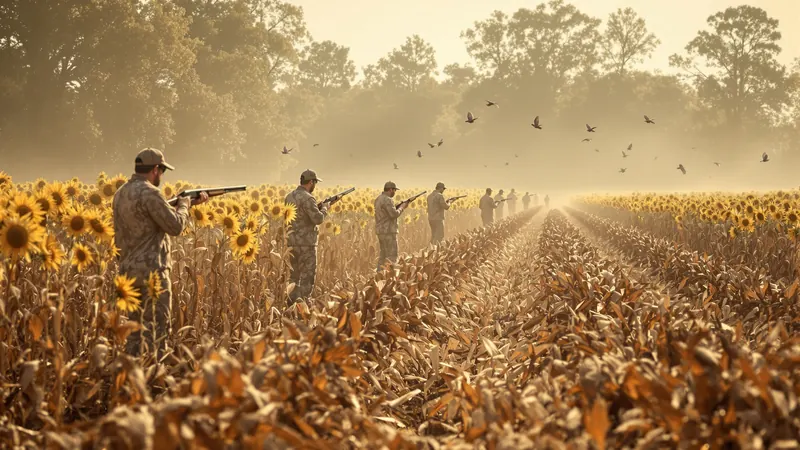
How to Plant, Manage and Run a Dove Field for Paid Hunts
From choosing sunflowers or millet to mowing strips that stay legal, spacing shooters safely and checking in a full field on opening morning, here is how paid dove hunts come together.
12 min read
How to Start a Hunting Club That Members Still Like in Five Years
A club lives or dies on its paperwork: who belongs, what dues cover, who signs the lease, how stands are assigned and where the money goes. Here is how to set that up.
12 min read
Hunting Liability Waiver: What Yours Should Cover, Clause by Clause
The hunting specific risks, clauses and signing habits that belong in an outfitter's waiver, from tree stands and firearms to minors, guardians, medical consent and how state law can change the picture.
12 min readSpend the season in the field.
Let HuntReserve run the office.
Tell us about your outfit. We'll call you, walk you through it with your own hunts and get you set up.