Home / Blog / Waivers & compliance
Ducks, doves, geese and the paperwork
HIP Certification: What Migratory Bird Hunters Need Before the Hunt
Who needs to register in the Harvest Information Program, how it works state by state, why the survey matters, and what a guided duck or dove hunt will ask you to show.
HIP certification is the step most bird hunters forget until a warden or an outfitter asks for it. It costs little or nothing in many states, takes a few minutes at the license counter, and is easy to miss because it rides along with the license instead of standing on its own.
This guide covers which birds trigger the requirement, how registration actually works when you buy a license, what changes when you hunt in a second or third state, and how to have everything ready before a guided hunt so check-in in the dark parking lot goes quickly.
Short answer
HIP is the Harvest Information Program run by the U.S. Fish and Wildlife Service with state wildlife agencies. If you hunt ducks, geese, doves, woodcock, snipe, rails, coots or other migratory game birds, you must register in HIP each season in every state where you hunt and carry proof while hunting.
What HIP certification is (and what it is not)
The Harvest Information Program is a sampling frame. When you complete HIP certification, the state passes your name and address to the U.S. Fish and Wildlife Service, which draws a smaller group of hunters to receive harvest surveys. The Service says plainly on its migratory bird harvest surveys page that HIP "is used to gather information and does not raise money for conservation programs."
That last point is where people get confused. HIP is not a stamp, and it is not a license. It does not replace your state hunting license, a state migratory bird or waterfowl stamp, or the Federal Duck Stamp. HIP certification is a registration that sits alongside those items, and in most states it is recorded right on the license document or printout you already carry.
Why a survey needs your name
The Service cannot mail a harvest diary to every bird hunter in the country, and it cannot sample from a list it does not have. Before HIP, the federal survey worked from Duck Stamp buyers, which missed dove hunters and many others. HIP gives biologists a list of people who actually hunt migratory birds, broken down by state and by the kinds of birds they say they pursue.
From that list the Service selects hunters for the Migratory Bird Hunter Survey (a diary of days hunted and birds taken) and, from a smaller sample, the Parts Collection Survey, where hunters mail in wings or tail feathers so biologists can identify species, age and sex.
Which birds require it: the species list
The federal list is broader than most people expect. The Fish and Wildlife Service names the following species groups on its survey page. If you hunt any of them, the requirement applies to you:
| Bird group | Common situations where hunters forget |
|---|---|
| Ducks and mergansers | Jump shooting a creek on a deer lease |
| Geese and brant | Early or special goose seasons in late summer |
| Swans (where open) | Permit hunts that feel separate from duck season |
| Doves and band-tailed pigeons | Opening day dove shoots with friends or a church group |
| Woodcock and snipe | Upland hunters flushing a woodcock while chasing grouse |
| Rails, coots and gallinules | Marsh hunts and youth outings |
| Sandhill cranes | Crane hunts that also need a separate permit |
Upland birds such as quail, pheasant and turkey are not migratory game birds, so a quail-only or pheasant-only hunt does not trigger the requirement. Texas Parks and Wildlife says this directly on its Harvest Information Program page, telling quail, turkey and deer hunters they can skip it.
The trap is the mixed day. A preserve that runs pheasant in the morning and a dove field in the afternoon, or a deer camp where someone takes a shot at teal on the stock tank, has just put migratory birds into play. If there is any chance you will pull the trigger on one, get HIP certification before the hunt.
How hip certification works when you buy a license
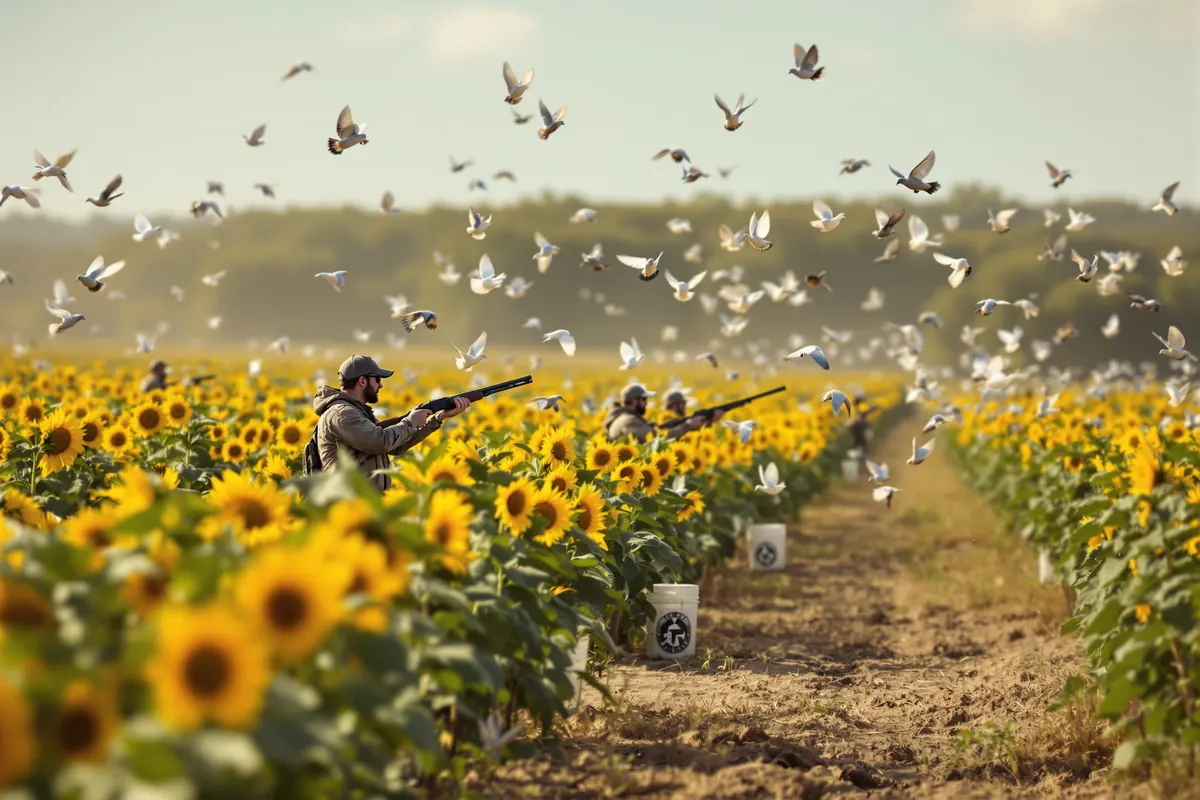
The federal rule is simple. The Service explains that when you buy your license you must identify yourself as a migratory bird hunter and give your name, address and date of birth, and that the state agency will provide a card, stamp or other proof of participation. The state then asks a handful of questions about the birds you hunted last season.
Those questions are not a test. Answer honestly, including zero if you did not hunt a group last year. The answers help the Service decide which surveys to send you, and a hunter who claims to have shot heavily at every species skews the sample.
What the process looks like in practice
- At a license counter: tell the clerk you plan to hunt migratory birds. Texas instructs hunters to do exactly this so the clerk can ask the screening questions.
- Online: many agencies build the questions into the online license checkout. Read each screen instead of clicking through, since the HIP step is sometimes a single yes or no.
- Separate registration: some states handle it as its own step. North Dakota, for example, describes an online registration that ends with a HIP number you record on your license certificate.
- By phone: a few states still offer phone registration. Check the agency site before you count on it.
Keep the printed or digital proof with your license. The Service is clear that you must have proof of participation with you whenever you hunt migratory birds in that state.
Every state, every season: the two rules people break
Two habits cause most problems, and both come from treating HIP like a one-time thing.
Rule one: HIP certification in each state you hunt
The Service states that you must register in every state where you hunt migratory game birds. A hunter who lives in Arkansas, completes HIP certification at home and then flies to a guided goose hunt in North Dakota needs a North Dakota registration too. Your home-state paperwork does nothing for you across the line.
Rule two: register again each year
North Dakota's HIP registration page states that all migratory game bird hunters must register annually. That matches the federal design: the survey list is rebuilt every season, so last year's entry does not carry forward. Lifetime license holders are the most common people caught out by this, because nothing else on their license expires.
Other state differences worth checking
- The age at which youth hunters need HIP certification, if they need it at all
- Any small fee, or confirmation that it is free
- How proof appears: a code on the license printout, a separate number or a stamp
- Where you can complete the step: online, at the counter, by phone, or all three
- The registration year, which may follow the license year or the hunting season
These details vary and change, so read the current regulations from the state agency where you will hunt rather than relying on what you did last year or what a hunting partner from another state tells you.
Hunting more than one state this season: a planning checklist
Traveling bird hunters stack requirements quickly. A December trip that includes ducks in one state and geese in another can mean two nonresident licenses, two state stamps or endorsements, a Federal Duck Stamp and two separate HIP registrations. Build the list early instead of in a motel the night before.
- List every state and every bird group you might hunt, including the side trips.
- Pull each state's current migratory bird regulations from the agency site, not a forum post.
- Buy licenses and complete HIP certification for each state before you travel, since some agencies only offer certain steps online or during office hours.
- Buy the Federal Duck Stamp if you will hunt waterfowl and the age rule applies to you. See our Federal Duck Stamp guide for the details.
- Save proof in two places: a printout in a zip bag in your blind bag, plus photos or the agency app on your phone.
- Send copies to your outfitter when they ask, so nobody is reading a license by headlamp at 4:30 in the morning.
Running the dove field yourself? Our post on planting and managing a dove field covers the field side, while this checklist handles the hunter side.
If a guided hunt is booked across a state line from where you live, ask the outfitter which state's waters or fields you will hunt. Some operations straddle a border, and HIP certification has to match the state where the birds are shot.
What duck and dove outfitters check before a hunt
Reputable outfitters check licenses because the consequences of a violation land on the operation as well as the hunter. A guide who knowingly lets an unlicensed client hunt can face trouble of their own, and a blind full of hunters missing paperwork is a morning lost while everyone sorts it out.
Expect a waterfowl or dove operation to ask for some or all of the following before the hunt date:
- A photo of your state hunting license showing the HIP entry
- Proof of any state migratory bird stamp, waterfowl stamp or endorsement
- Your signed Federal Duck Stamp or E-Stamp receipt for waterfowl hunts
- Hunter education proof if the state requires it for your age
- A signed liability waiver for the outfit
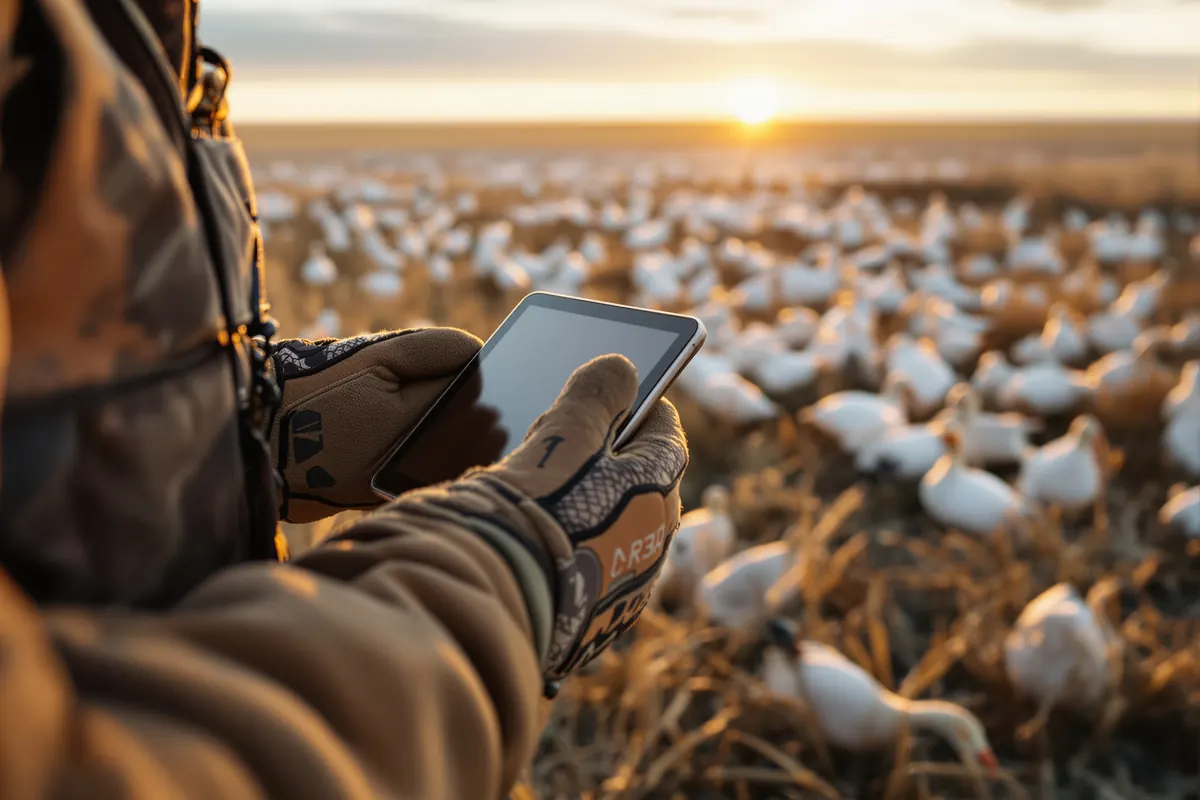
Many outfitters now collect this online before arrival. With HuntReserve, each hunter in a party fills in their own details, signs the outfitter's waiver and uploads a photo of their license from a phone. The outfitter sees on the Check-In Board who has uploaded paperwork and who has not, and can send a reminder to the hunters still missing something. If your outfitter sends you a link like that, upload a clear photo that shows the HIP line.
For outfitters: building a paperwork check into booking
If you run waterfowl or dove hunts, the easiest way to avoid a parking-lot scramble is to ask for license proof as part of registration, weeks before the hunt, and to say exactly what you need. Most missing paperwork is not defiance. It is a hunter who did not know the requirement existed.
What to put in your confirmation message
- The state or states where the hunt takes place, so traveling clients register in the right one
- A plain list: state license, HIP certification, state stamp or endorsement, Federal Duck Stamp for waterfowl
- A link to the state agency's current license page instead of your own summary that may go stale
- A deadline for uploads, with a reminder a few days before the hunt
In HuntReserve, the lead hunter receives a link to add the party, and each hunter registers, signs and uploads their license on their own phone. Automatic reminders go out for missing paperwork, and Camp Mode on a tablet captures license photos and signatures offline at a blind or field with no signal, then syncs later. Dove operations that run large opening-day shoots tend to benefit most, since dozens of hunters arrive at once. Our dove and wingshooting software page and the waterfowl outfitter page show how that flow fits a full season.
If you want help setting that up for next season, talk to us about your outfit and we will walk through how your hunts, waivers and reminders would be configured. Operators who also host youth days should read our youth hunt guide, since young hunters bring their own license and HIP certification questions.
A practical tip from the booking side: put the paperwork list in the same message as the deposit receipt and the what-to-bring list, not in a separate email that gets buried. Hunters read the message that confirms their money went through. Repeat the list in the day-before reminder, and keep the language identical so nobody wonders whether something changed.
Do not try to act as a license clerk. Your job is to ask for proof and keep a record that you asked. The hunter is responsible for buying the right items, and the state agency is the authority on what is required.
After HIP certification: if you are selected for a harvest survey
Being sampled is the whole point of the program, so treat the survey seriously when it shows up. The Service uses diary responses to estimate how many birds of each species were taken, and the wing and tail feather collection lets biologists check species composition and the ratio of young to adult birds.
- Fill out the diary as you go, not from memory in February. Record the day, the state and county, and the birds you took, including zero days.
- Follow the packing instructions if you are asked to send wings or tail feathers. The envelopes come with directions on which parts to send.
- Report honestly. A slow season is useful data. Inflated or missing reports make the estimates worse.
Keep a simple log during the season on your phone: date, state, county, species and count. When the survey packet arrives, the answers are already written down, and you are not guessing whether the second Saturday in November produced two gadwall or three.
Those estimates feed back into the annual regulations process for migratory birds. A hunter who answers the survey is helping set the season length and bag limits the rest of us hunt under next year.
If you guide, a short mention of this at the end of a hunt costs nothing. Clients who understand why they are asked about their harvest are more likely to take part.
Frequently asked questions
Do you need HIP certification to hunt doves?
Yes. Doves are migratory game birds, and the U.S. Fish and Wildlife Service lists them among the species that require Harvest Information Program registration. Complete it through the state agency when you buy your license, in each state where you will hunt doves, and carry proof with you in the field. Quail, pheasant and turkey hunting do not require it.
Is HIP certification the same as a duck stamp?
No. HIP certification is a registration that puts you on the list used for federal harvest surveys. The Federal Duck Stamp is a separate purchase required for many waterfowl hunters, and states may also require their own stamp or endorsement. A waterfowl hunter commonly needs all three, plus a state hunting license, so check each item separately.
How long is HIP certification good for?
Registration is annual. North Dakota, for example, states that migratory game bird hunters must register each year. The exact registration period depends on the state, and it may follow either the license year or the hunting season, so confirm the dates on the agency site where you hunt before every season.
Does HIP certification from your home state cover you in another state?
No. The Fish and Wildlife Service says you must register in every state in which you hunt migratory game birds. If you live in one state and travel to another for a guided duck or goose hunt, register in the destination state when you buy that nonresident license, and carry that state's proof.
What happens if you hunt without HIP certification?
Hunting migratory birds without the required registration can be a violation of state and federal rules, and the penalty depends on the state. If you realize the morning of a hunt, check whether the agency offers online registration you can complete before shooting. Ask your outfitter for the state's license page when you book so you can sort it out early.
Sources
- U.S. Fish and Wildlife Service, Migratory Bird Harvest Surveys: What We Do
- North Dakota Game and Fish, HIP registration
- Texas Parks and Wildlife, Harvest Information Program
Rules, fees and policies change. This guide was checked against the official sources above in October 2026. It is general information, not legal, tax or insurance advice: confirm the current details with the agency or a licensed professional before you rely on them.
Keep reading
More from the HuntReserve blog
The Federal Duck Stamp: Who Needs One, How to Buy It and What to Carry
Every waterfowl hunter 16 and older needs a current federal stamp, but the E-Stamp, signing rules and state add-ons still trip people up. Here is what to carry.
12 min read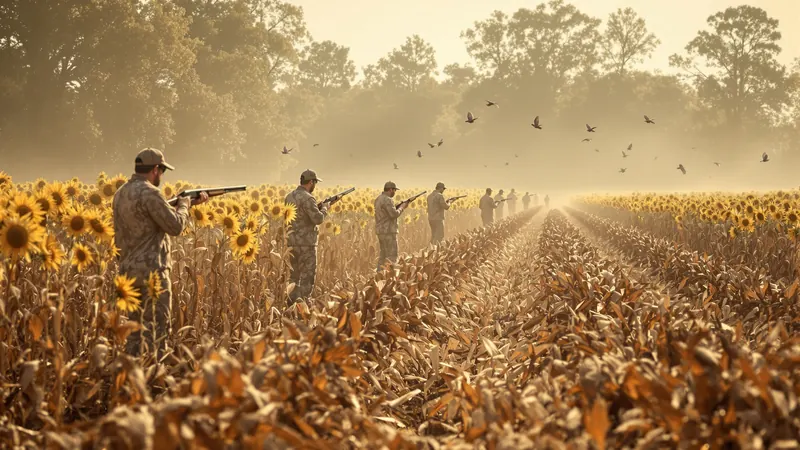
How to Plant, Manage and Run a Dove Field for Paid Hunts
From choosing sunflowers or millet to mowing strips that stay legal, spacing shooters safely and checking in a full field on opening morning, here is how paid dove hunts come together.
12 min read
The Harvest Report: Deadlines, Who Files It, and a Camp Routine That Never Misses One
Mandatory harvest reporting has short clocks and the hunter usually owns the duty. Here is how real state rules work and how an outfit makes sure every animal gets reported.
12 min readSpend the season in the field.
Let HuntReserve run the office.
Tell us about your outfit. We'll call you, walk you through it with your own hunts and get you set up.